Concrete Surface Preparation & Repair
The next floor starts with the concrete beneath it.
Topcoat Services removes existing coatings and adhesives, mechanically prepares concrete and completes substrate repairs for commercial and industrial flooring projects. Our crews evaluate the existing surface and the next system’s requirements before selecting the preparation method.
Whether you are replacing a failing floor or preparing a space for a new finish, we help define what needs to happen before installation begins.
At Topcoat, we believe there is one right way to install a floor: start with proper preparation and never cut corners. We own the equipment needed to do the work—from shot blasters and diamond grinders to dust extraction systems—giving our crews the tools to address the conditions each project presents. We leave no stone unturned, assessing the concrete, removing unsuitable materials, addressing repairs and establishing the surface profile required by the specified flooring system. Every step serves a purpose, because a floor’s long-term performance depends on the work beneath it.
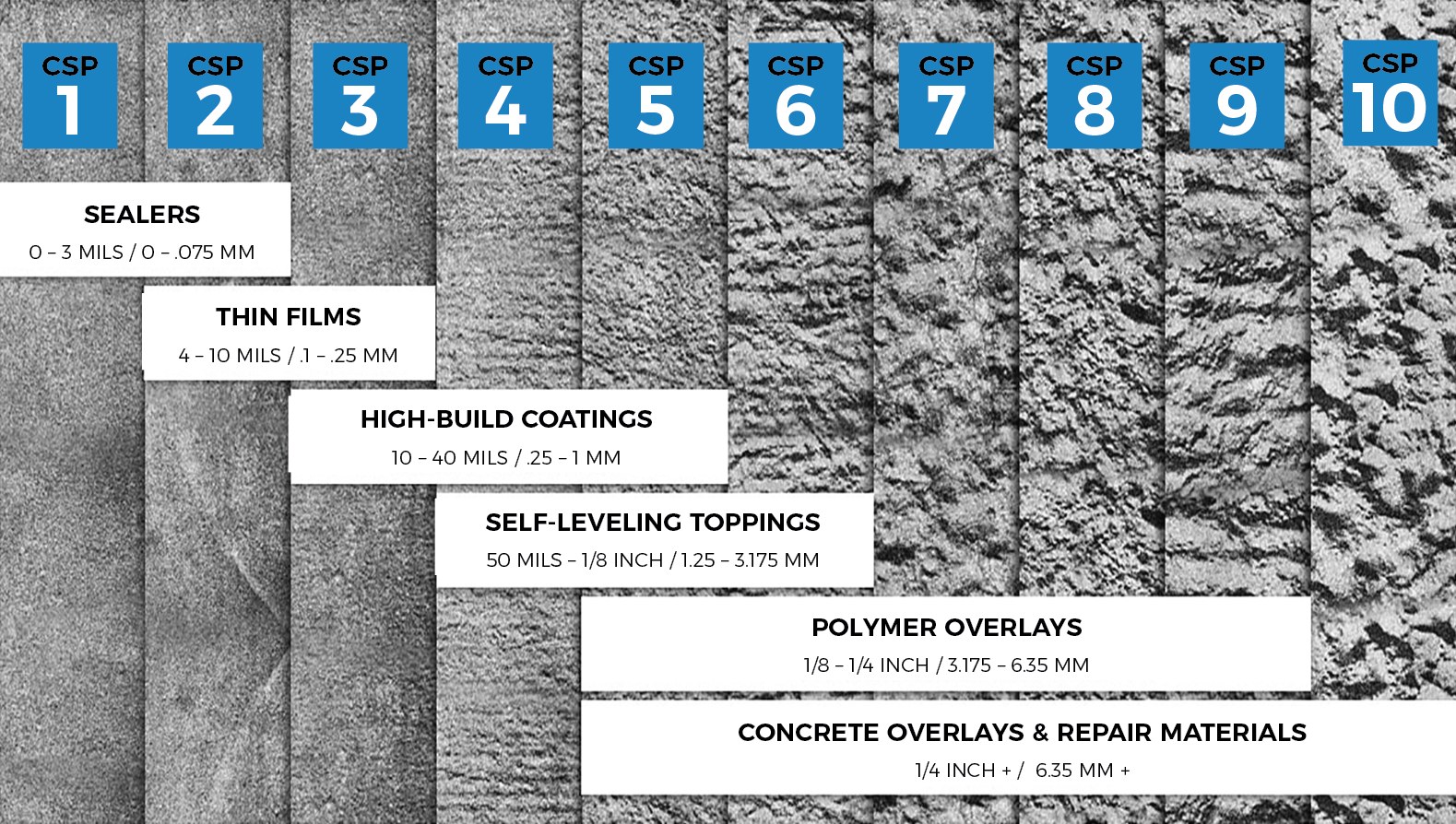
The scope should identify the required surface condition and how it will be checked before installation. Where specified, prepared concrete can be compared with ICRI’s physical CSP reference samples.
Preparation coordinated with the flooring work.
Removal, grinding and blasting selected for the conditions.
Discuss joints, damaged areas and transitions before installation.
Prepare around the requirements of the material that follows.
Concrete surface preparation establishes the substrate condition required for the next flooring system. It can involve removing existing materials, addressing contamination and weak surface layers, creating the specified surface profile and completing compatible repairs.
A floor that looks clean may still contain adhesive residue, a poorly bonded coating or a weak concrete surface. The method needs to address those conditions rather than simply change the floor’s appearance.
We review what is on the slab, what is happening beneath it and what the finished system needs before defining the work.
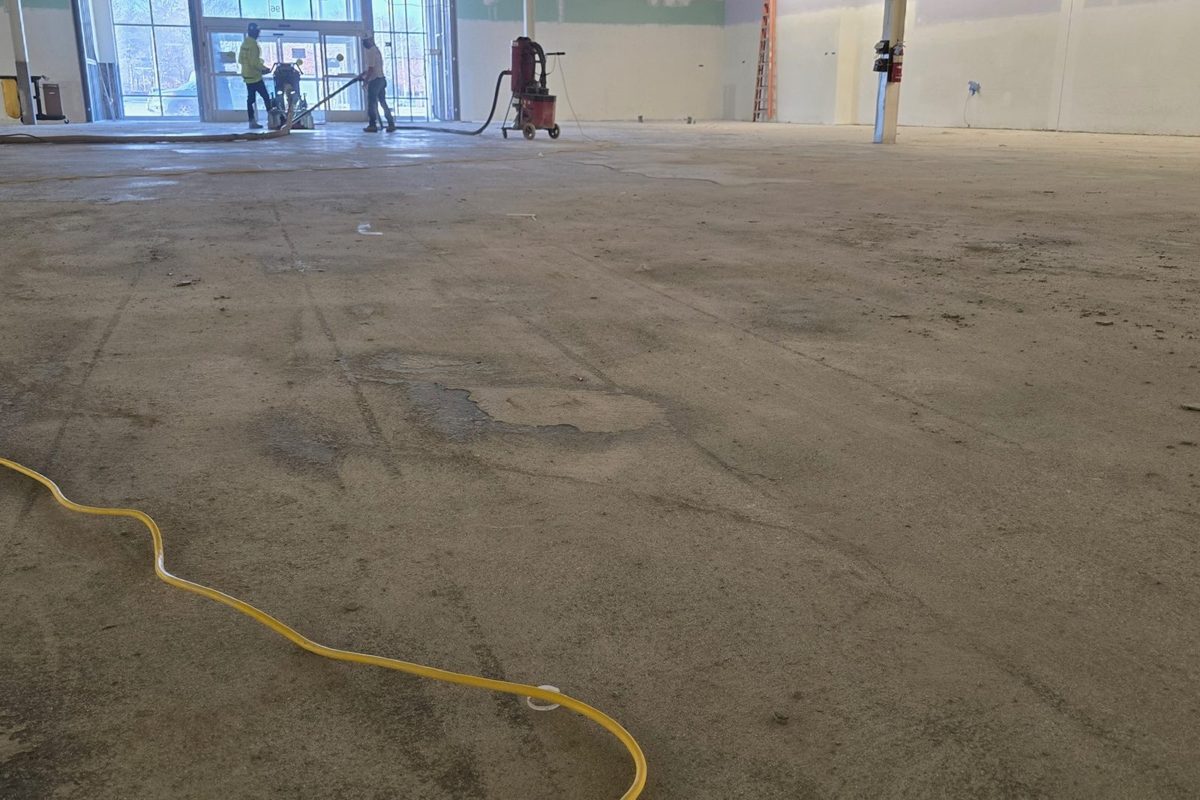
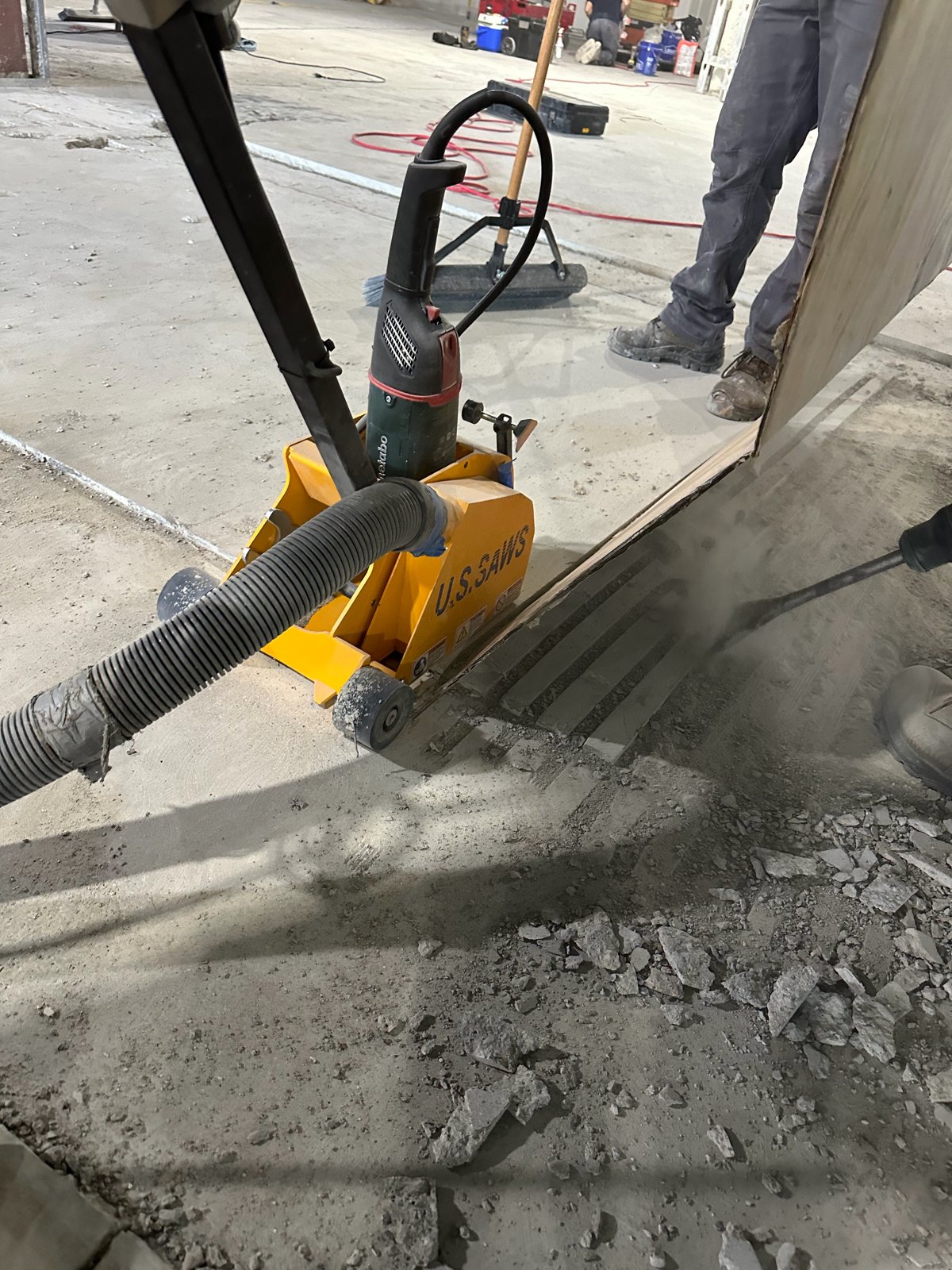
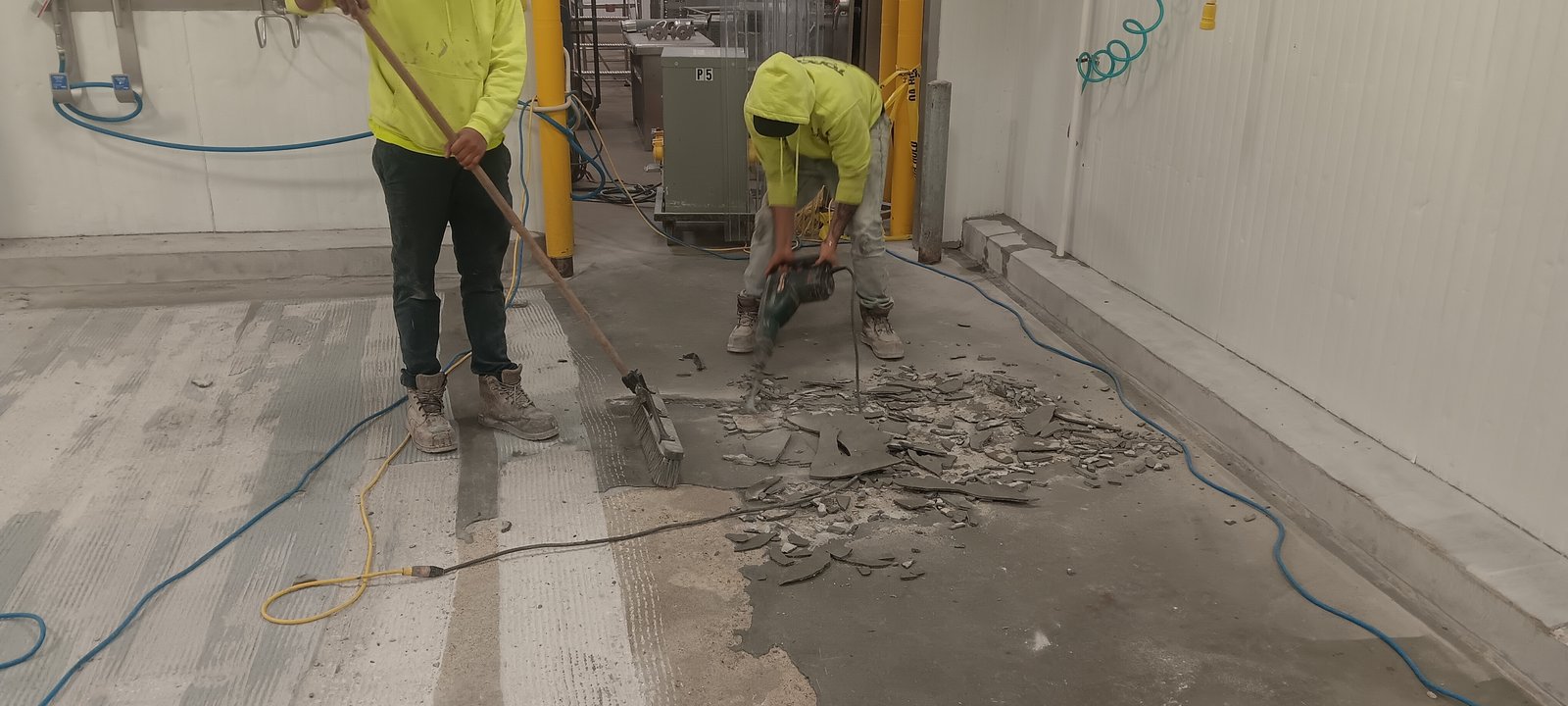
Old epoxy, coatings, thinset and adhesives can affect what comes next. We assess the existing material and select a removal approach suited to the substrate and proposed finish. A trial area may help establish the work needed before a full removal scope is agreed.
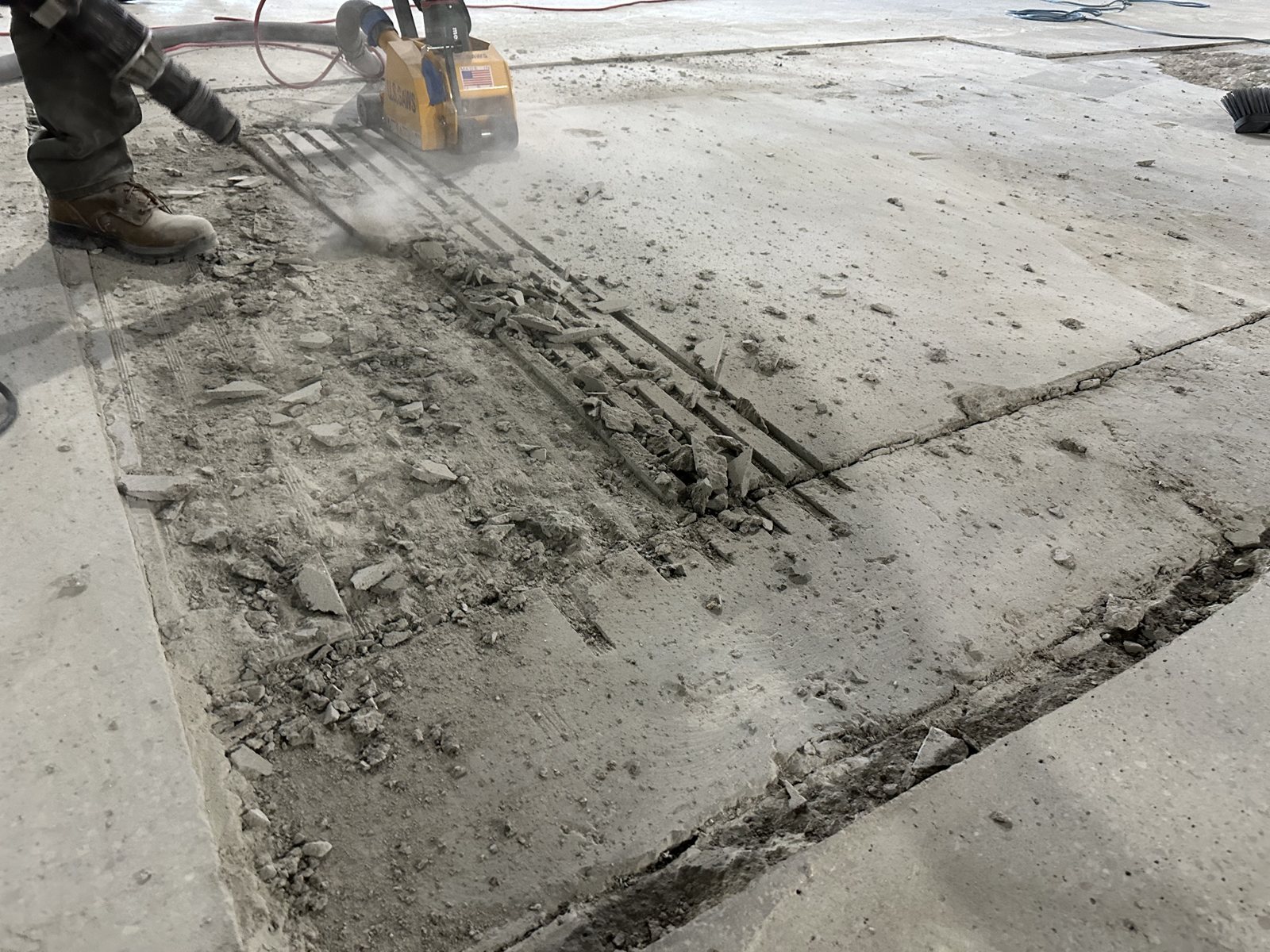
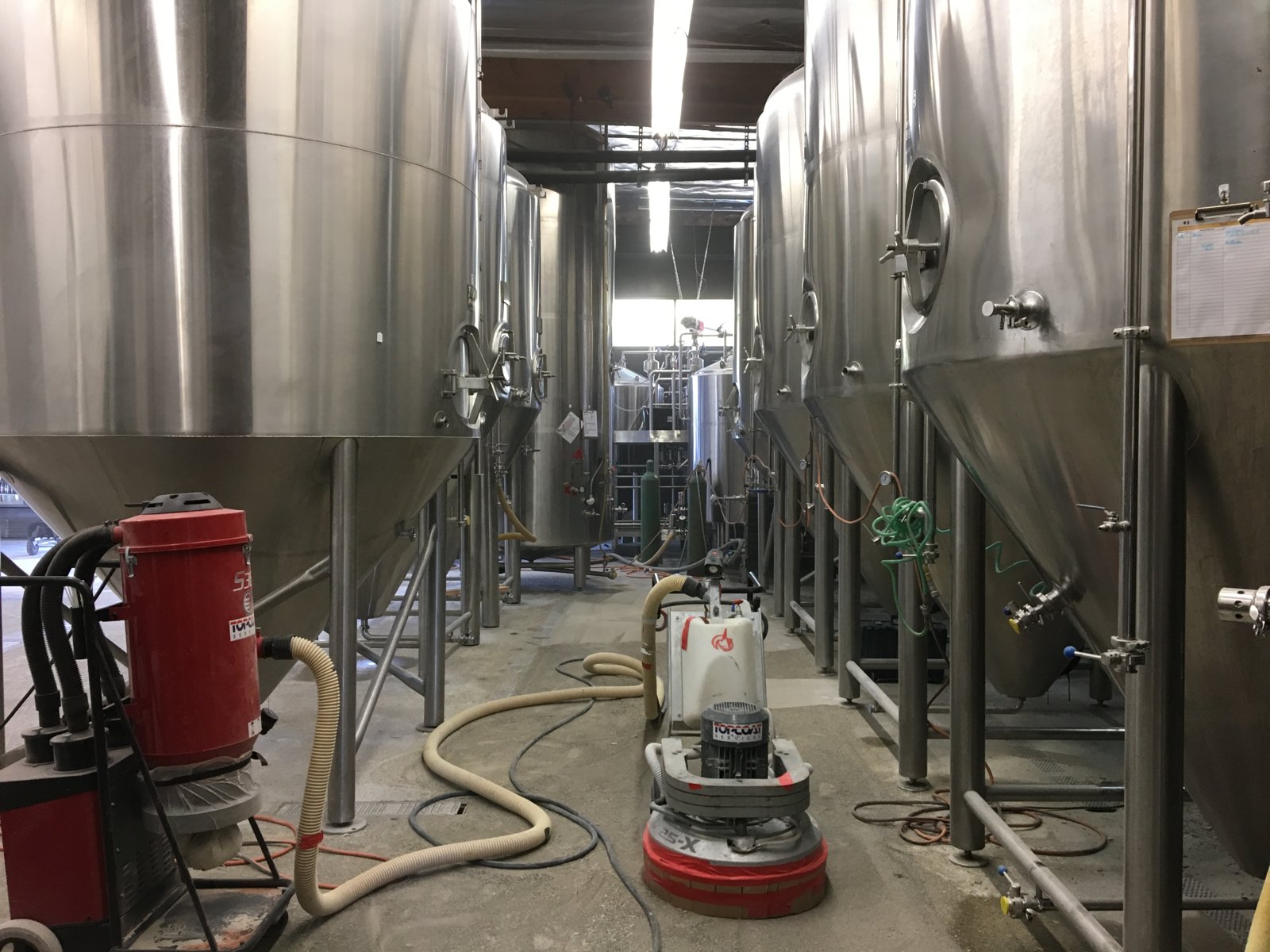
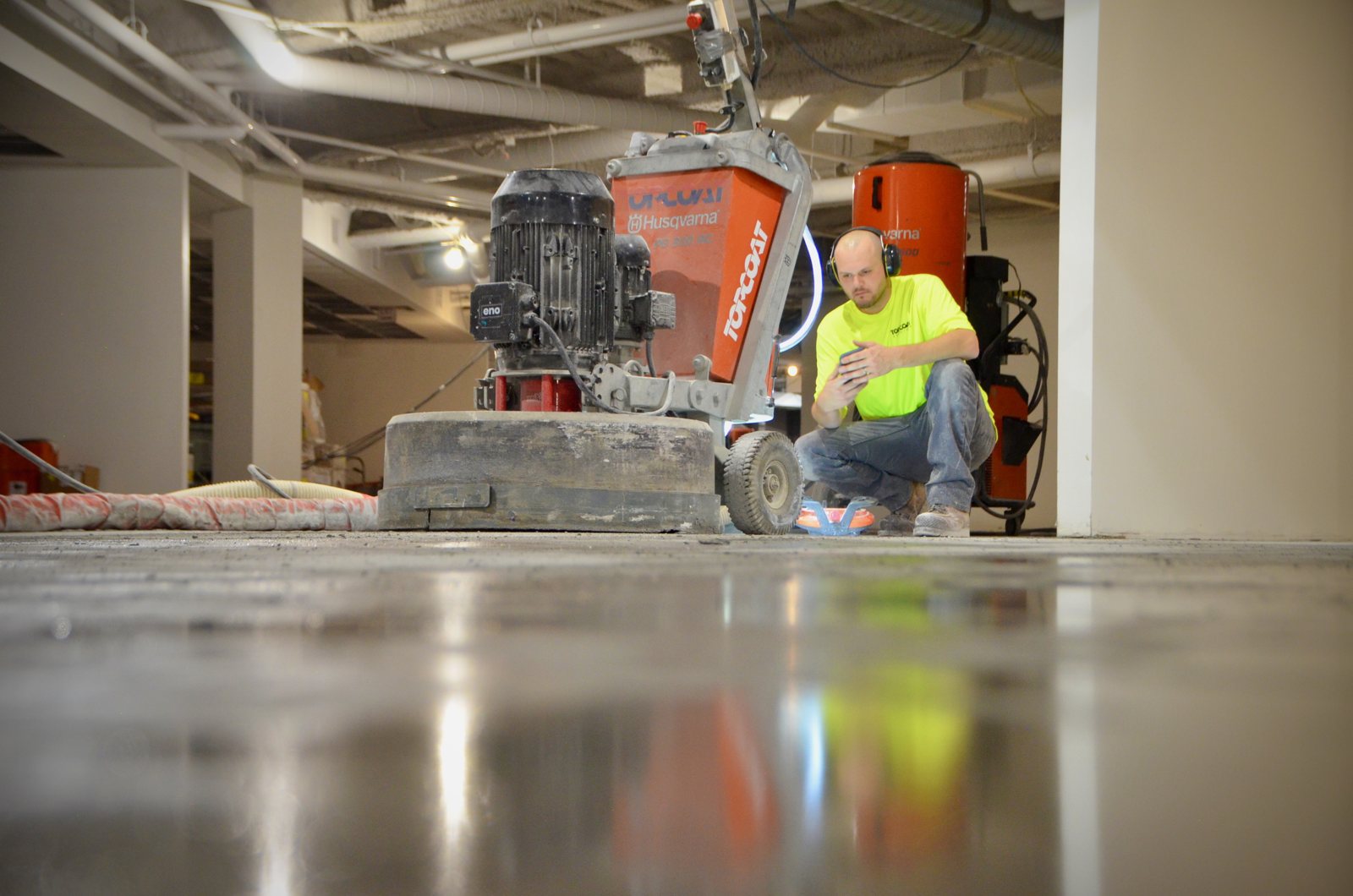
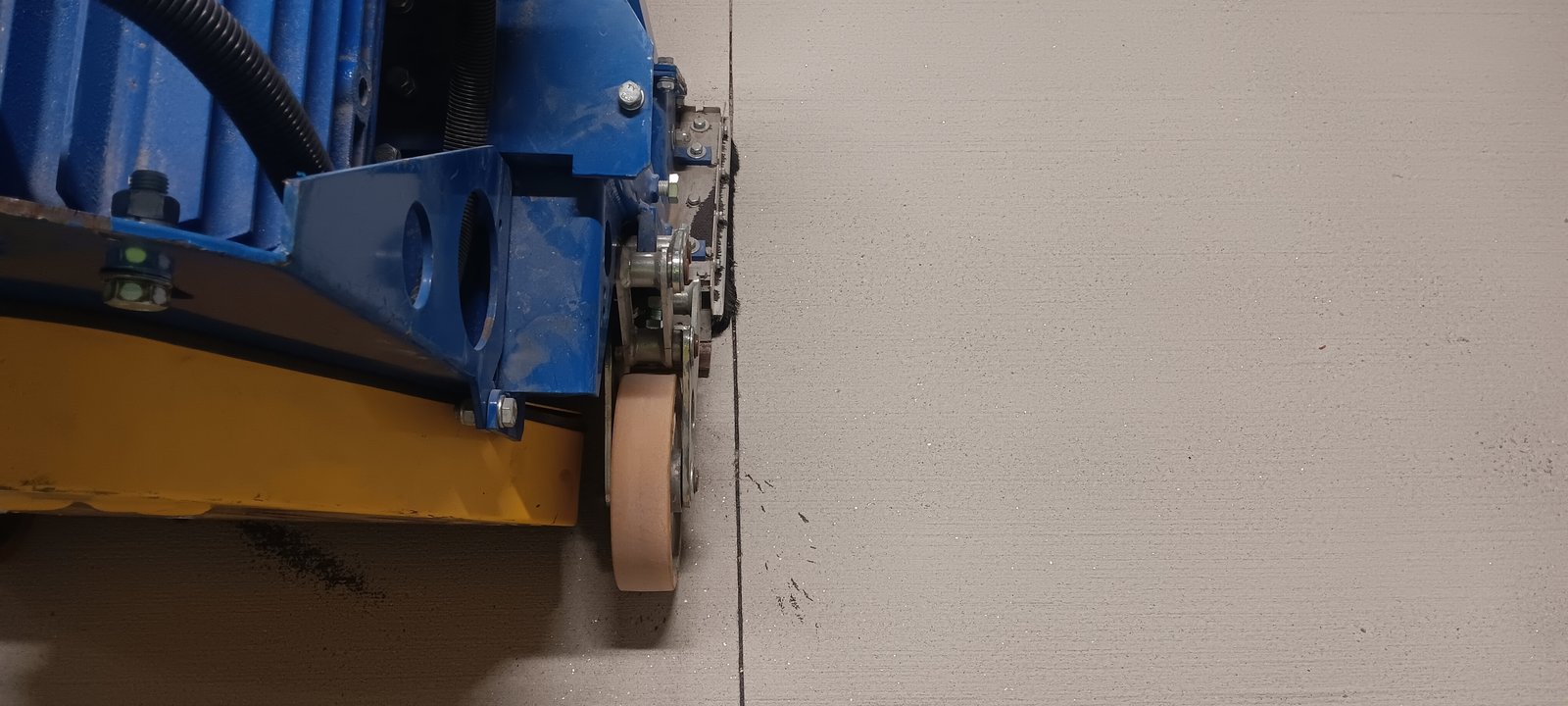
Grinding uses selected tooling to remove material and refine or prepare the surface. The tooling and passes depend on the existing floor and target condition. Preparation grinding creates the starting point for a system; a full mechanical polishing process develops the concrete as the finished floor.
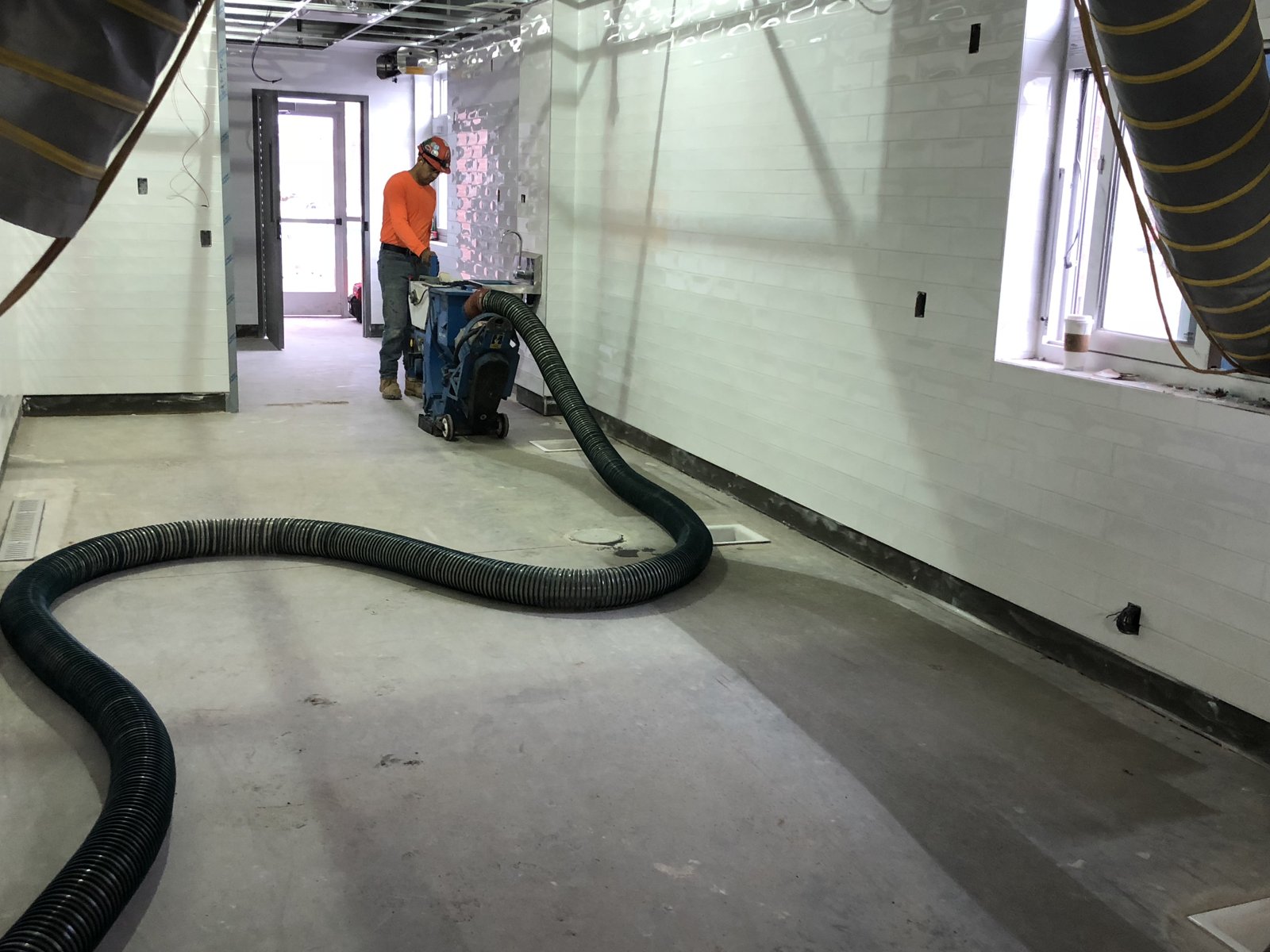
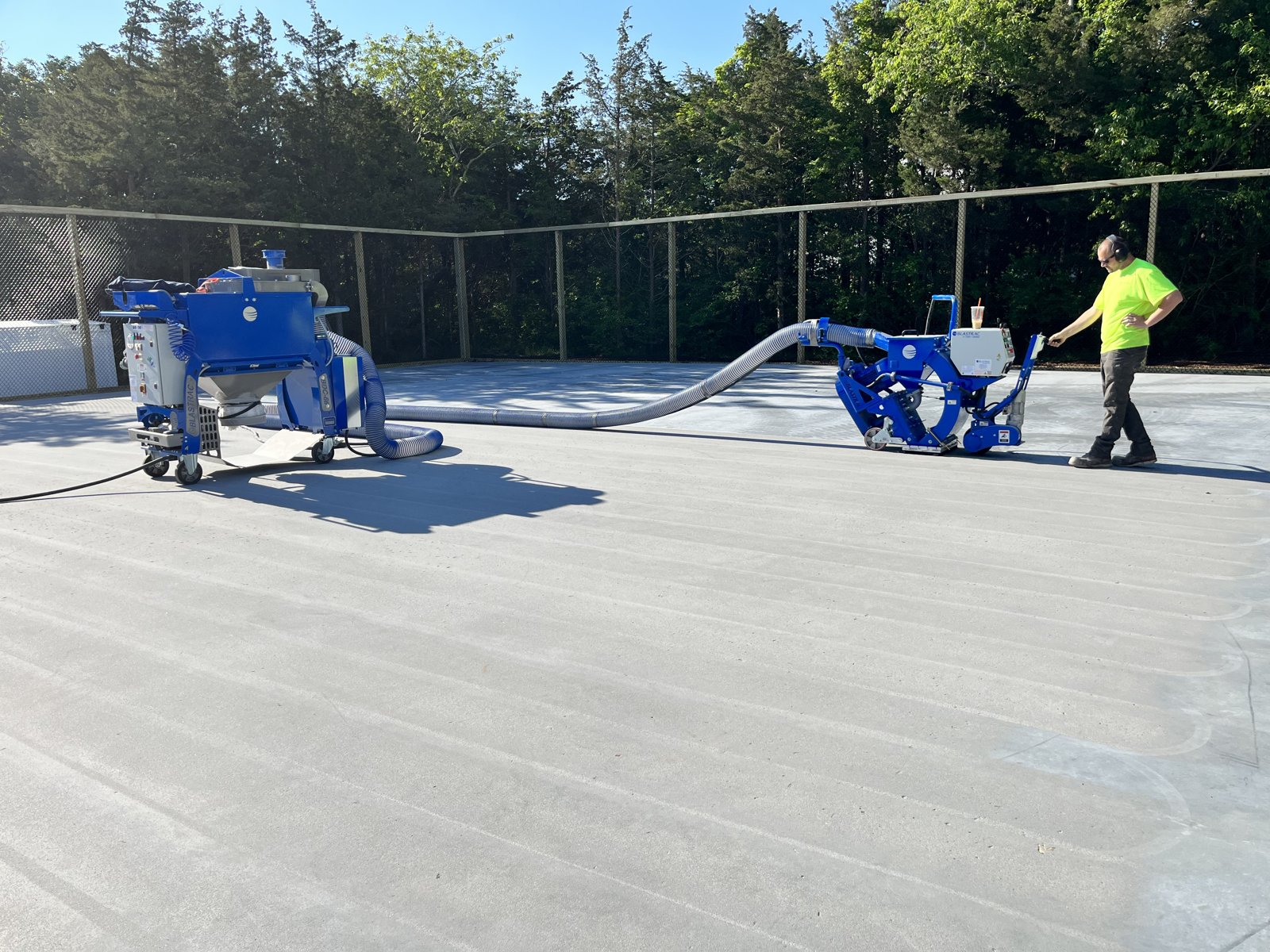
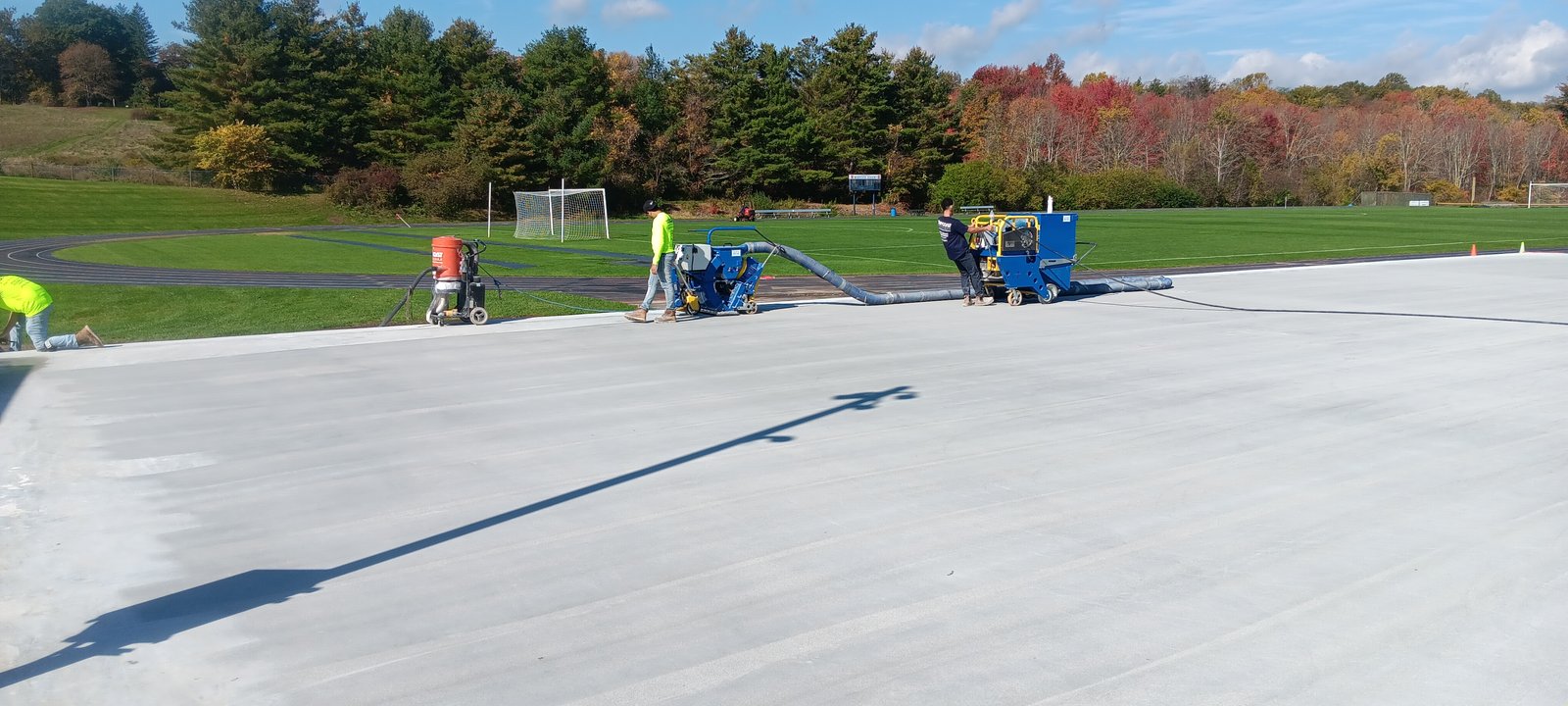
Shot blasting mechanically cleans and textures suitable concrete using abrasive media. It can be part of preparation for resinous systems and overlays when its resulting profile matches the specification. Edges, access restrictions and existing materials may require additional methods.
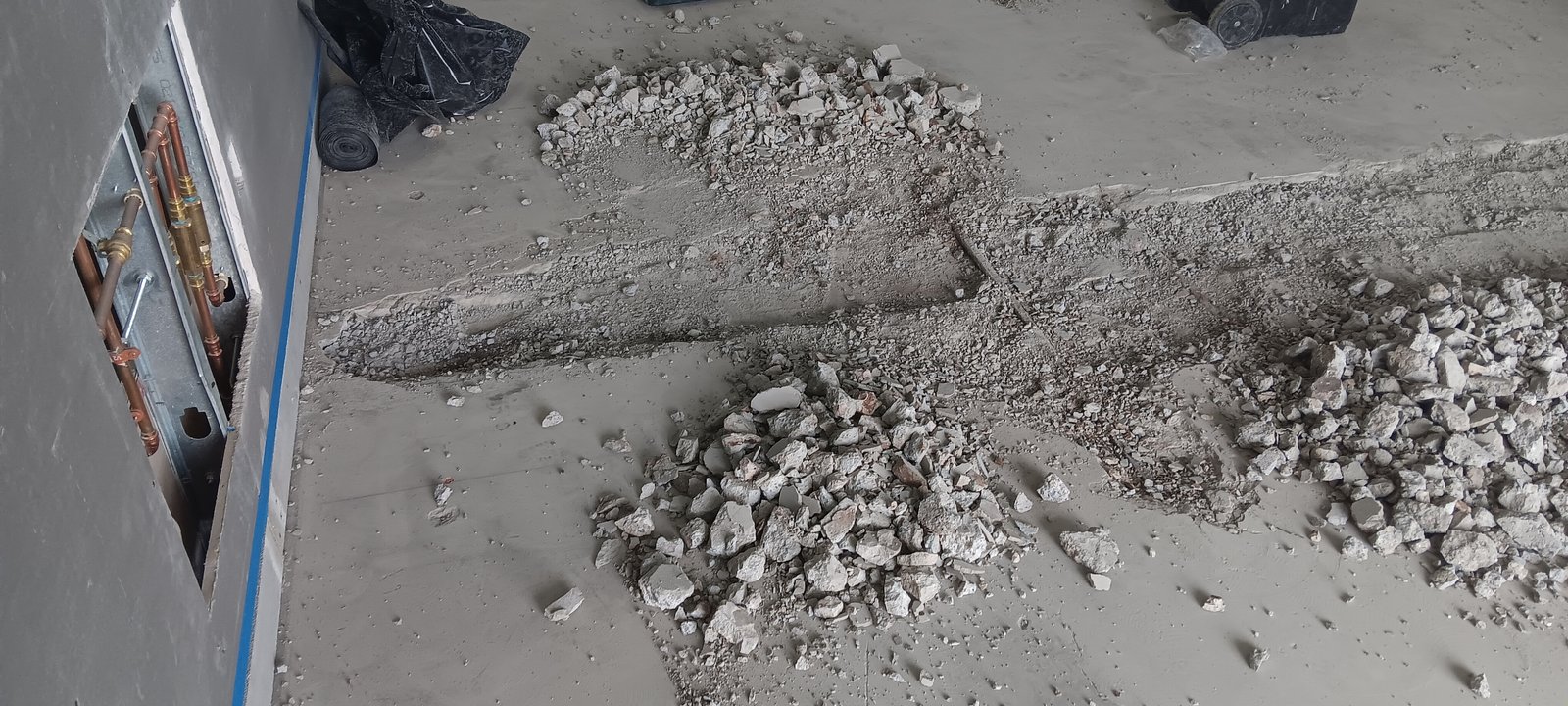
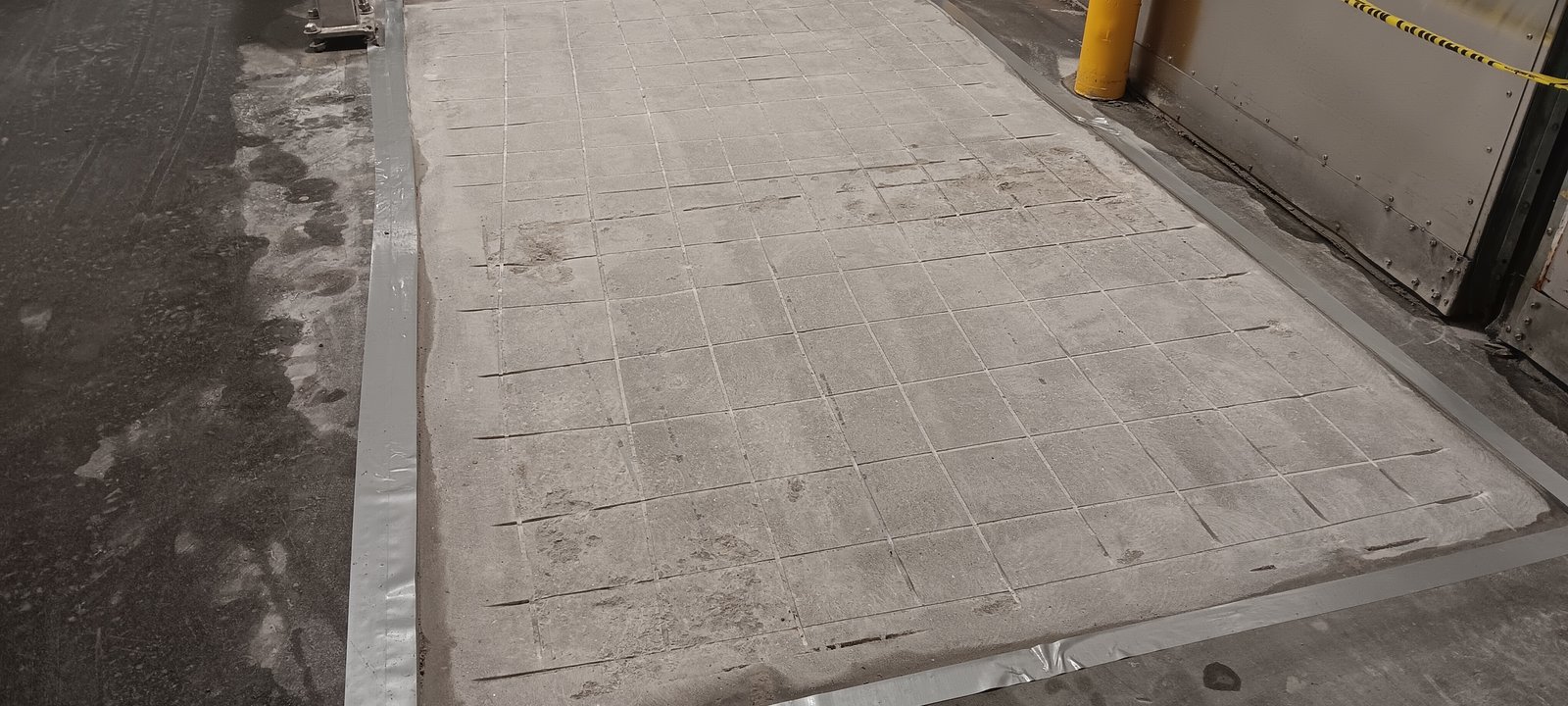
Some projects need more substantial removal to address buildup or deteriorated surface concrete. Scarifying or shaving may be considered where appropriate. The method and removal depth must suit the slab and scope; aggressive removal is not an automatic solution for every uneven floor.
Concrete Surface Profile, or CSP, describes the texture of a prepared concrete surface. The International Concrete Repair Institute (ICRI) provides reference profiles ranging from CSP 1, minimal roughness, to CSP 10, very rough.
The goal is to create the surface required by the flooring system being installed. A rougher surface is not automatically a better surface.
Tap or click to enlarge
CSP visual reference. Confirm the required profile using the flooring manufacturer’s instructions and project specification; an image does not replace physical profile comparison.
Epoxy coatings, urethane cement, overlays and repair materials can require different surface conditions. The required profile depends on the selected product, installed thickness and project specification. See our epoxy flooring and urethane cement flooring pages for the systems these surfaces are prepared for.
A surface that is too smooth may not provide the required mechanical bond. A profile that is too aggressive may require additional material or treatment before the specified finish can be achieved.
Surface texture is also only part of preparation. Concrete must meet the system’s requirements for soundness, cleanliness, moisture and other substrate conditions.
| Preparation method | Role in the preparation process |
|---|---|
| Diamond grinding | Removes selected surface materials, addresses surface irregularities and prepares concrete using tooling selected for the task. |
| Shot blasting | Removes surface material and creates a textured profile, with the result influenced by the equipment settings and concrete condition. |
| Scarifying or milling | Provides more aggressive removal where the project requires it. Further preparation may be needed before installing the flooring system. |
The method alone does not establish the finished CSP. Equipment, tooling, settings, passes and the concrete itself affect the result.
Planning a coating, overlay or concrete repair? Start with the preparation it requires.
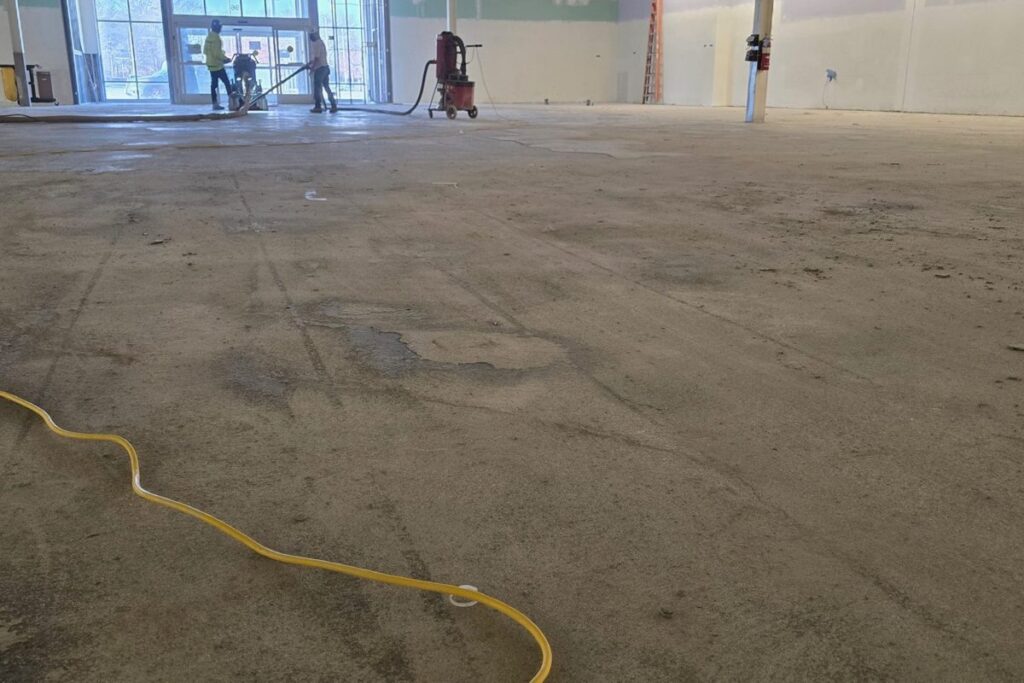
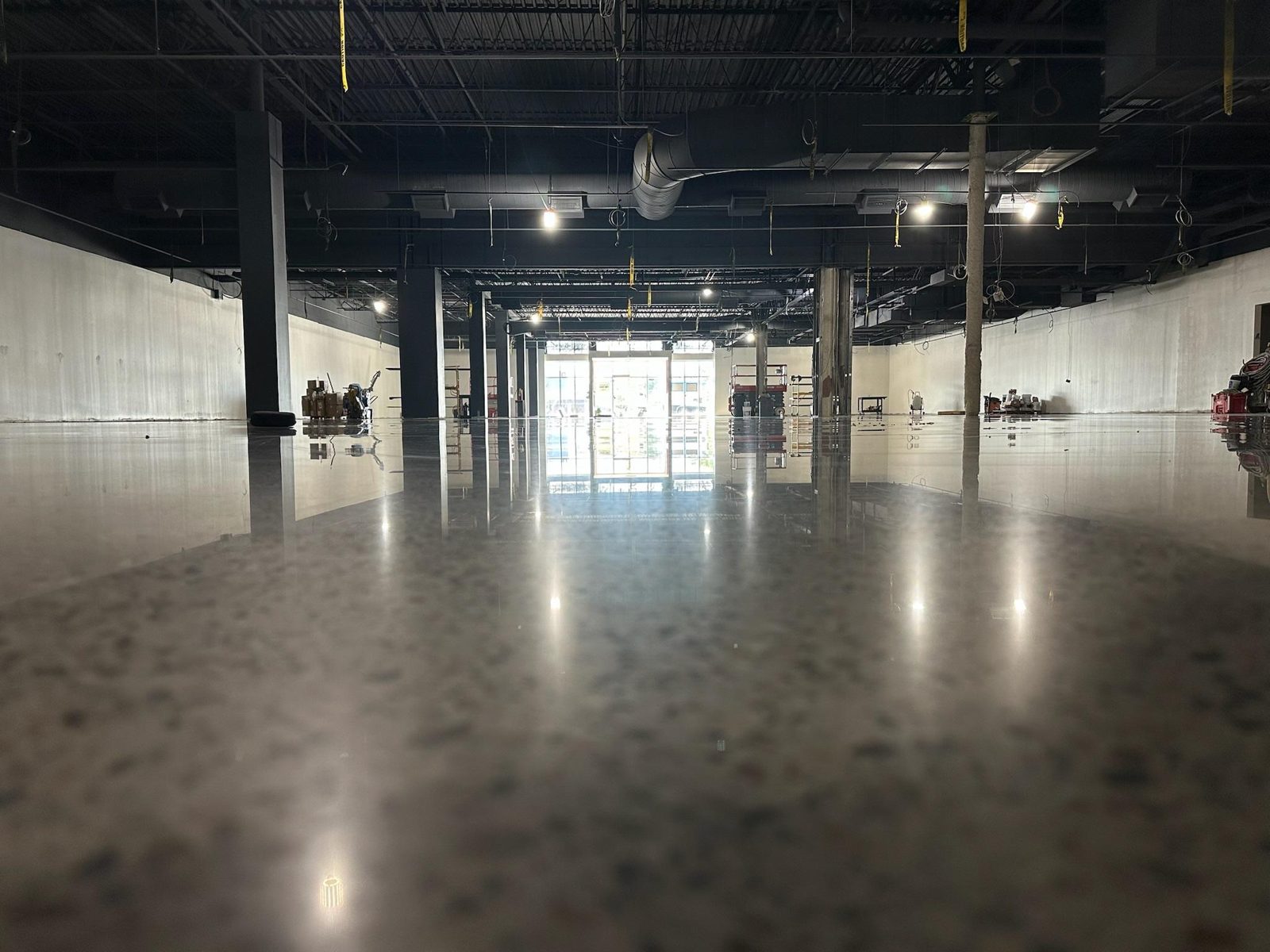
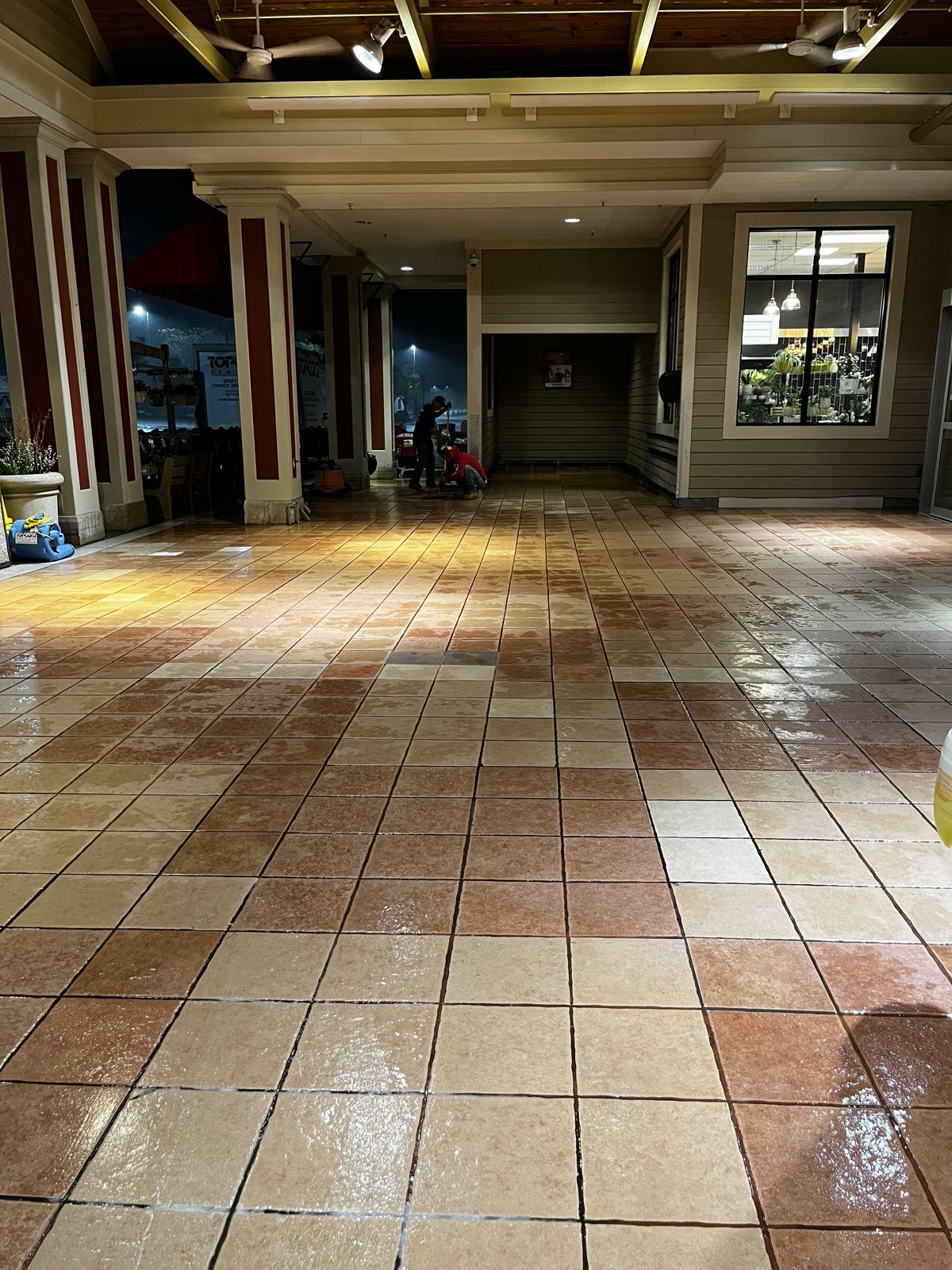
Burlington, Walpole, MA: diamond grinding of the existing slab before a polished concrete floor
18,000 SF • Completed July 2025
Thinset, patching and uneven transitions had led to a planned full-floor overlay. Topcoat removed the existing materials, addressed transitions and mechanically polished the underlying slab. The completed project avoided the planned overlay.
25,000 SF project • Completed February 2026
Self-leveling underlayment, mastic and old epoxy covered the concrete. Topcoat removed the layers and prepared the surface for a full-exposure polished sales floor, with a separately sealed warehouse area. The project avoided the planned polishable overlay.
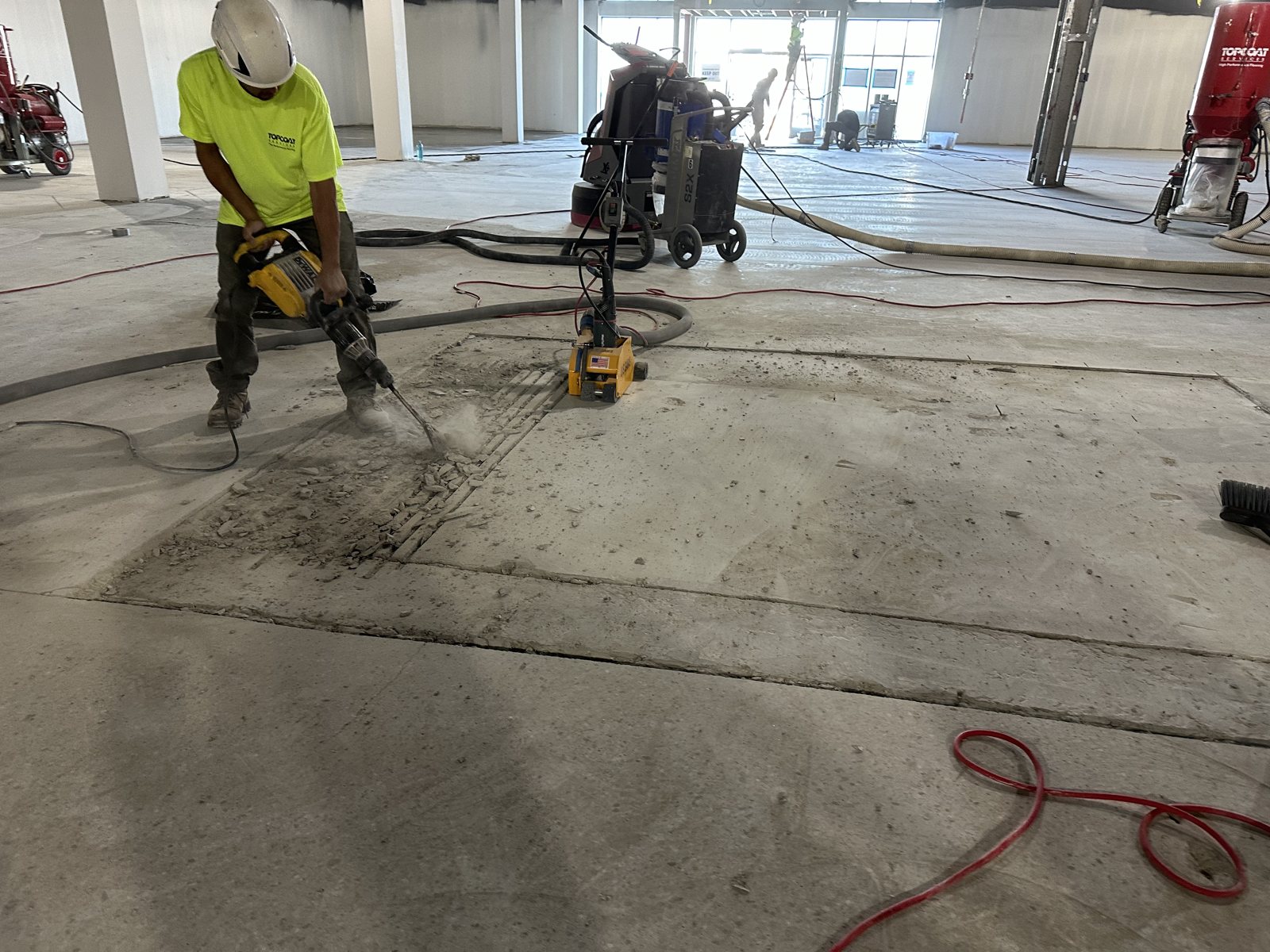
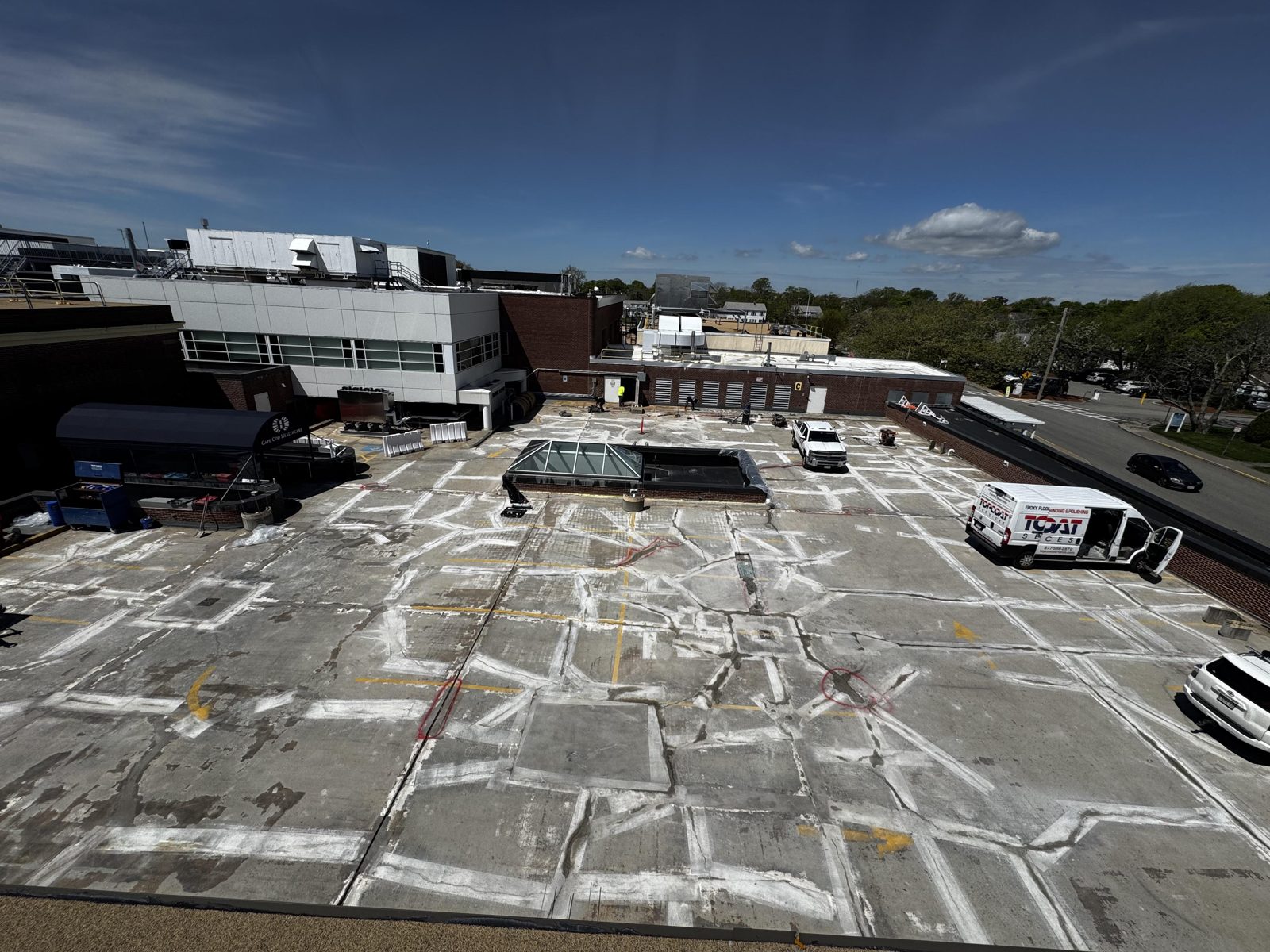
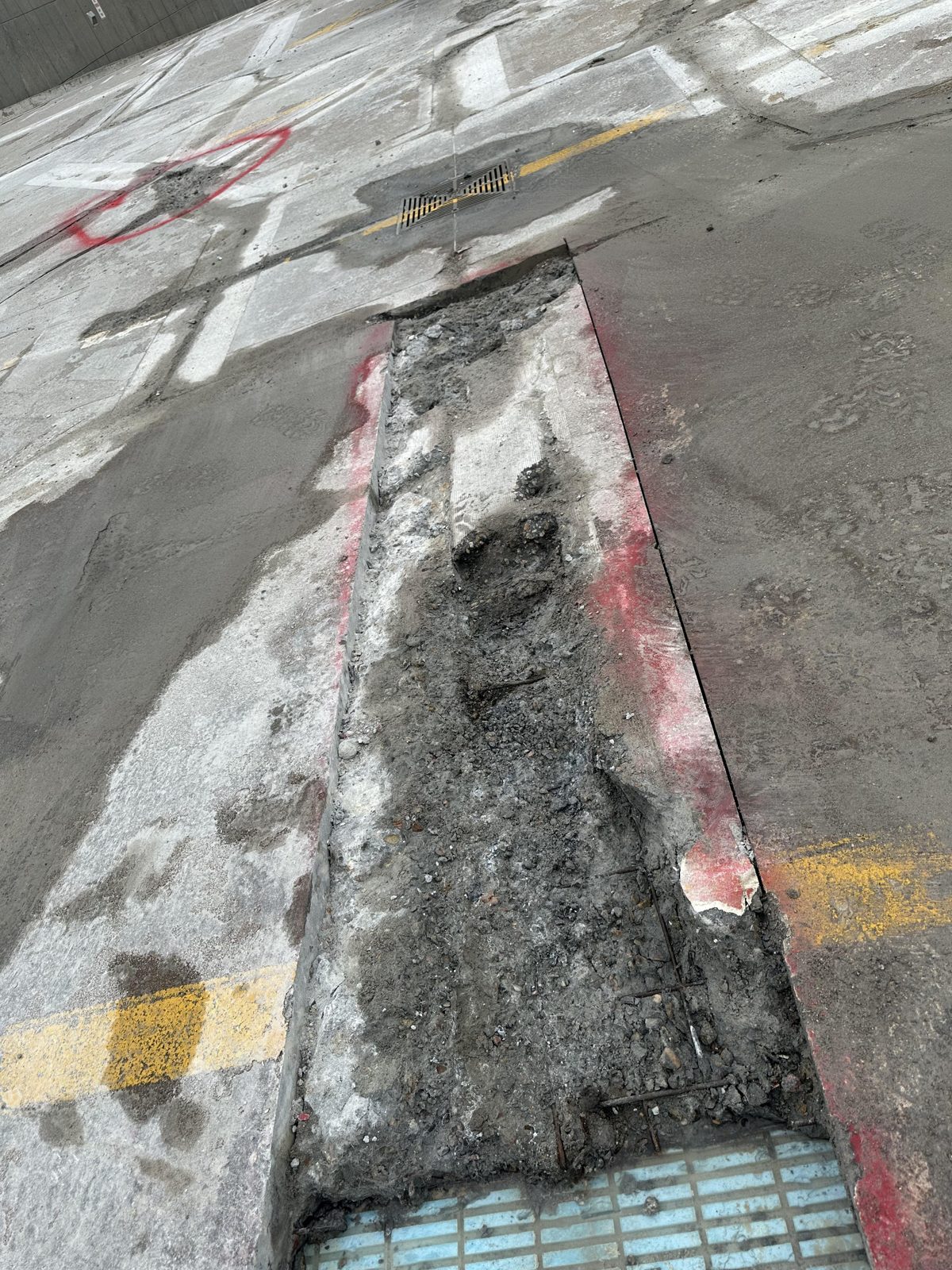
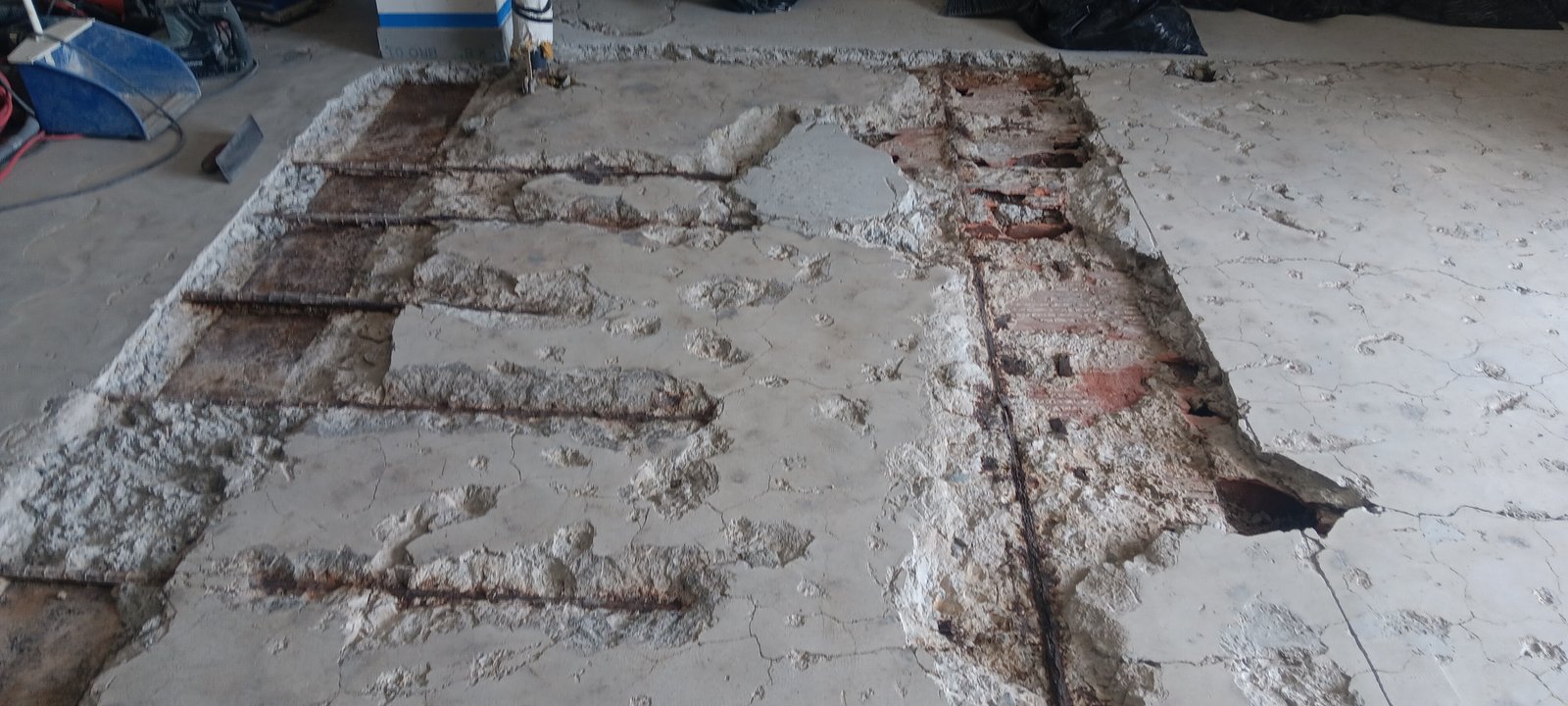
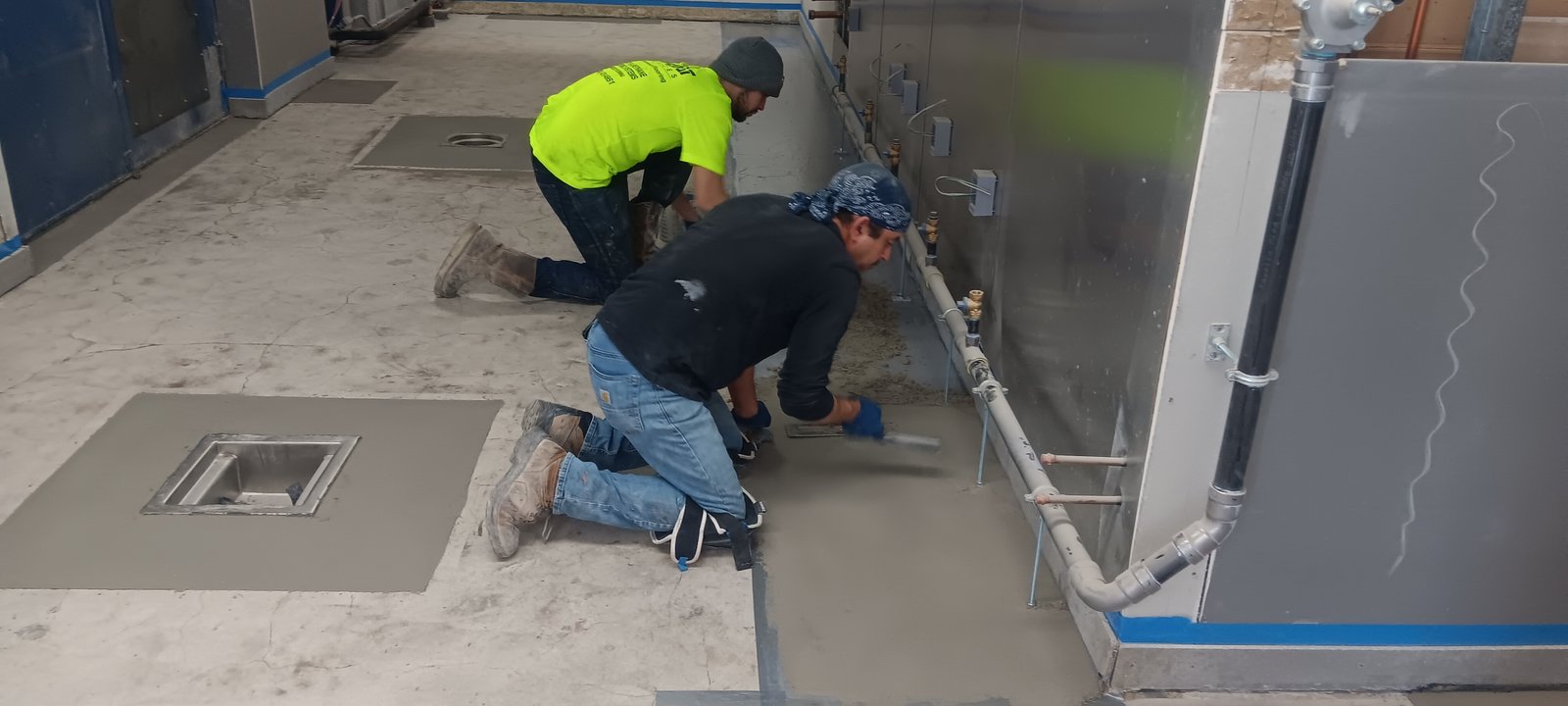
Remove unsuitable material and rebuild the specified area with a repair approach compatible with the substrate and next flooring system. The cause and extent of deterioration affect what the repair needs to accomplish.
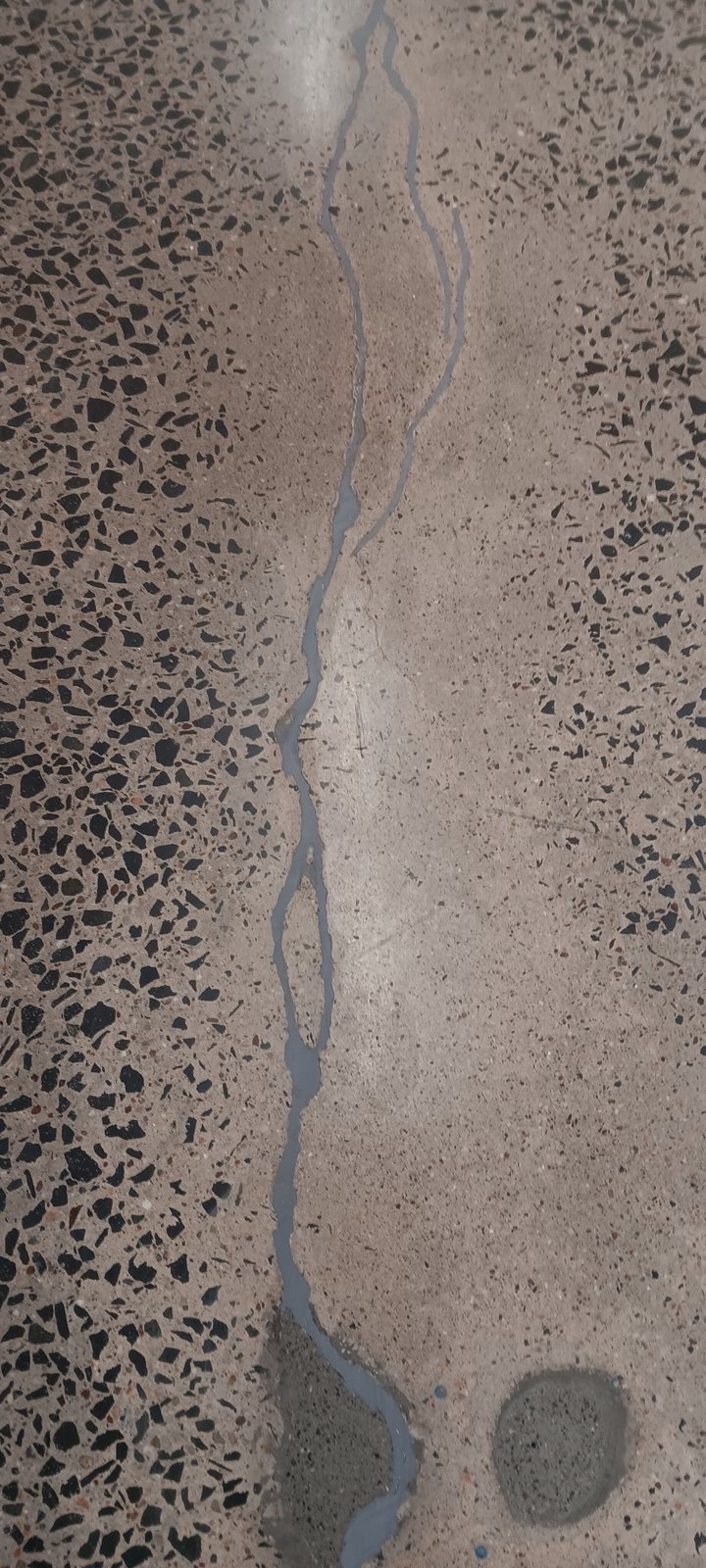
Evaluate the location, condition and signs of movement before selecting treatment. A filled crack does not guarantee that movement stops or that it will never appear through a later finish.
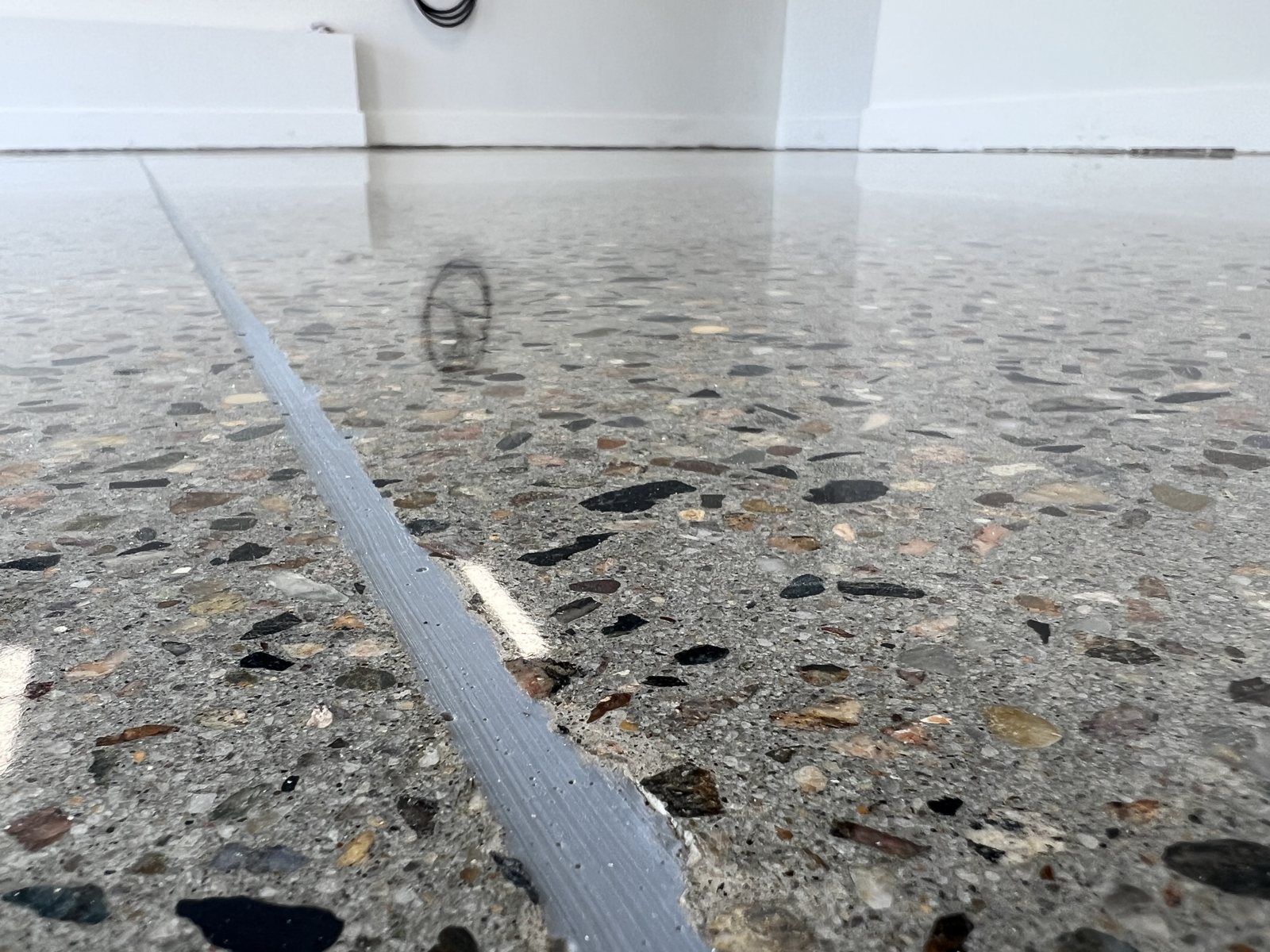
Distinguish the joint’s purpose before choosing a repair or filler. Movement joints need details that accommodate their intended function. A rigid filler is not a universal treatment for every joint.
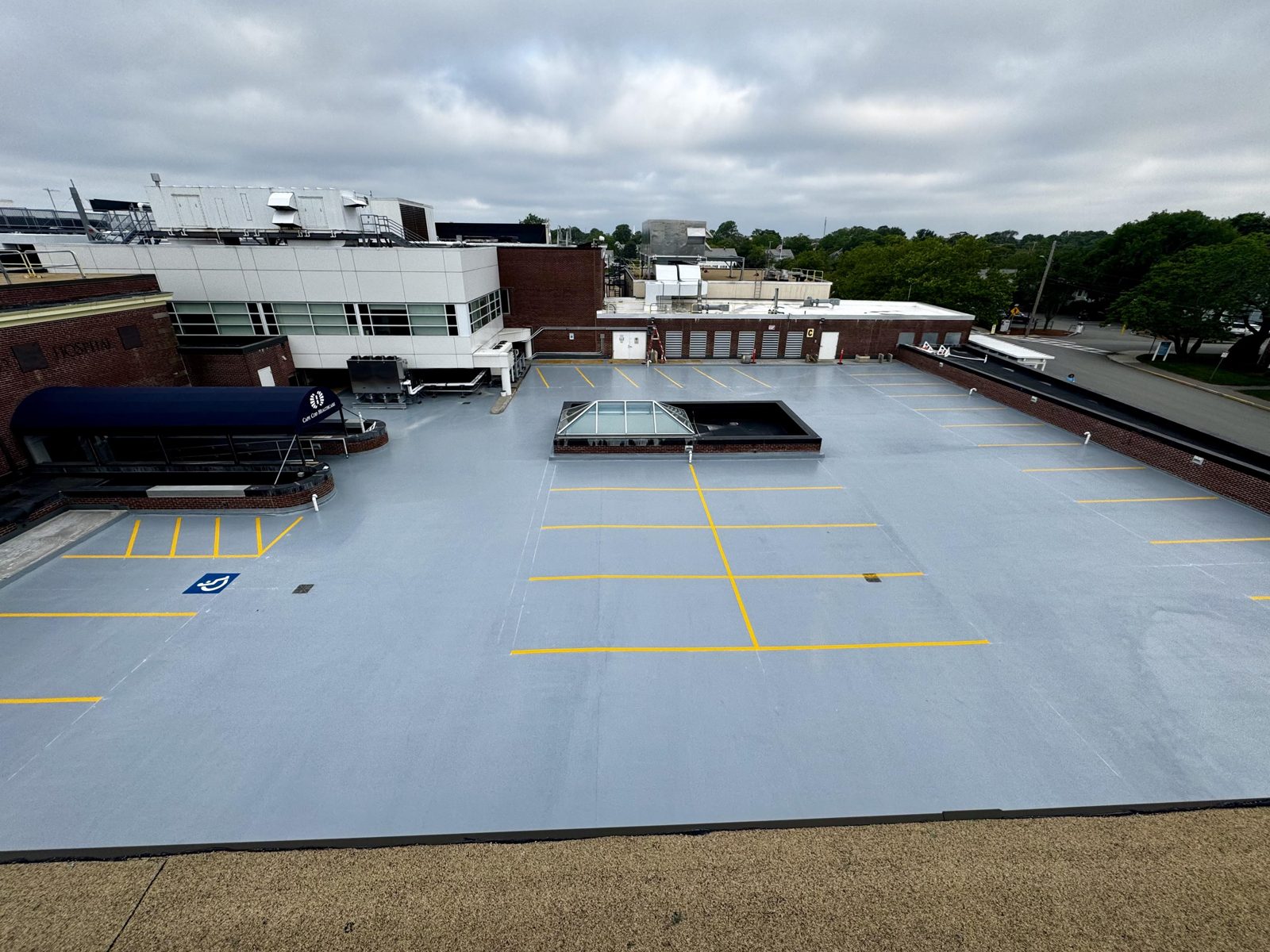
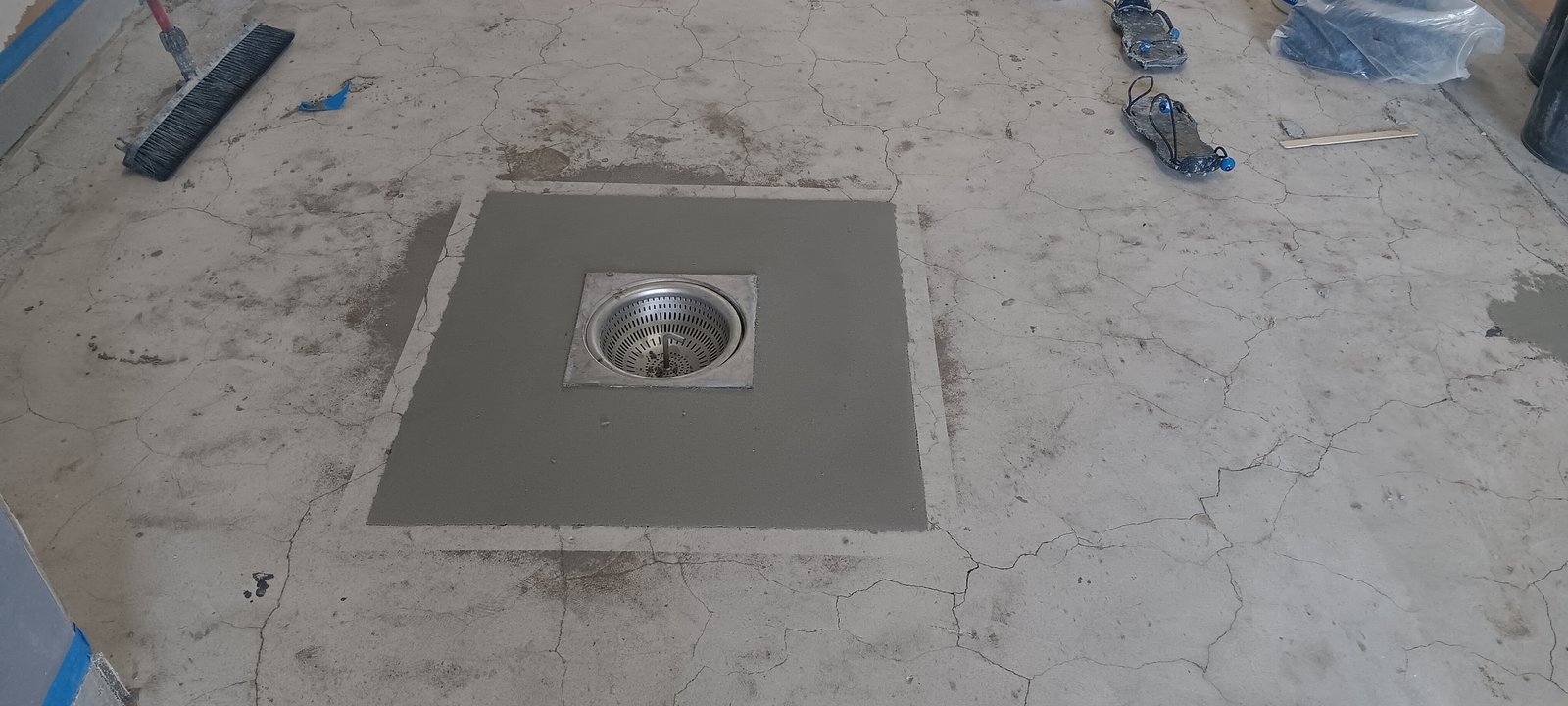
Changes in height, patches and interfaces with other floors can need additional work. Define any correction, leveling or drainage-related scope explicitly so it is accounted for in the proposal and coordinated with adjacent work.
Where conditions suggest a structural issue, the project may need evaluation by the appropriate design professional before a repair scope can be established.
Identify existing materials, previous repairs, current problems and the next intended use.
Review the proposed flooring specification, substrate conditions and any testing needed.
Match equipment, tooling and removal approach to the actual surface. Use trials where they will resolve uncertainty.
Complete the agreed work, including edge and detail areas within the scope.
Review the prepared substrate against the selected system’s requirements before installation proceeds.
Existing conditions can become clearer as layers are removed. Discuss how concealed repairs or additional removal will be assessed and priced before the crew starts.
Preparation uses equipment, produces noise and needs a defined work area. We discuss site access, staging, available power, protection and the activities that need to continue nearby.
Dust collection and containment are selected around the equipment, task and site conditions. Sensitive operations may need additional coordination before work begins. The plan should also identify who moves equipment, protects inventory and controls access to the work area.
Tell us about occupied rooms, food or product handling, working hours and access restrictions early so the scope reflects your operation.
Preparation matched to the specified coating build and substrate requirements.
Substrate work coordinated with the flooring specification, terminations and detail requirements.
Removal and repair decisions made with the final exposure, sheen and visible slab character in mind.
The existing material, removal difficulty, concrete condition, repair quantities, target profile and site access all affect the scope. Work around equipment and repeated mobilizations can require more labor than the same area in an open room.
Ask whether the proposal includes existing-floor removal, repairs, edge work, waste handling, testing and any trial area. Clarify allowances and the process for hidden conditions so you can compare more than a price per square foot.
Send photos, approximate area, location and the proposed flooring system to start the discussion. A site assessment or trial work may be needed before a firm removal and repair scope can be established.
Not always. Their condition, adhesion, compatibility and the new system’s requirements determine the approach. A trial or testing may be needed. Where an existing layer is failing, adding another floor above it can leave the weak layer in place. The proposal should explain what stays, what is removed and why.
Neither method is best for every project. Existing materials, substrate condition, required profile, access and the system being installed guide the selection. Some projects combine methods, including separate edge preparation. Ask how the proposed approach will achieve the specified condition rather than choosing equipment by name alone.
Grinding can remove material and prepare the surface, but it should not be assumed to resolve the source of a moisture problem. Testing, investigation and the next system’s requirements determine whether mitigation or another response is needed. Surface preparation and moisture control are related parts of planning with different purposes.
Cracks can be assessed and treated as part of the scope, but the treatment depends on their condition and movement. Repairs need to suit the substrate and installed system. A repair does not guarantee that a moving crack will disappear permanently or never affect the finished surface.
No. Preparation grinding establishes a surface for a subsequent system or further processing. Mechanical polishing involves a planned progression of refinement and treatments to produce the finished concrete surface. If the concrete itself will remain exposed, the desired aggregate exposure and sheen should inform preparation decisions early.
Duration depends on area, existing materials, removal difficulty, repairs and access. An open slab and a floor beneath several old systems can require very different work. Testing or a trial area can help clarify the scope. Include repair-product cure requirements and the next installation stage when planning the schedule.
Topcoat Services works on commercial and industrial projects across Massachusetts, Rhode Island, Connecticut, New Hampshire, Vermont and Maine.
Share the location, approximate area, current floor condition and intended finish. Include drawings, specifications or photographs if available, along with the installation window you are working toward.
Call (774) 470-4951 or email info@topcoatservices.com.