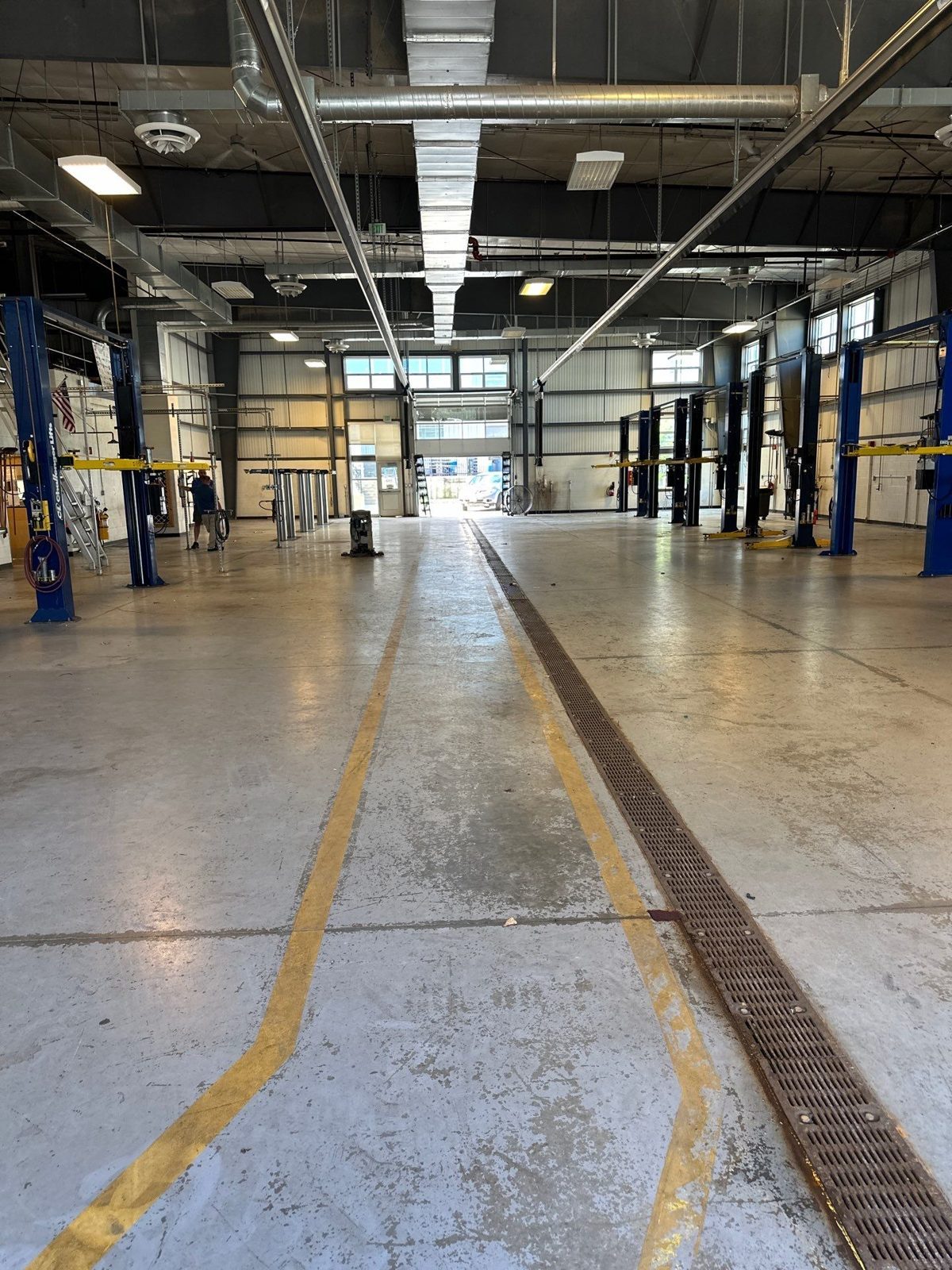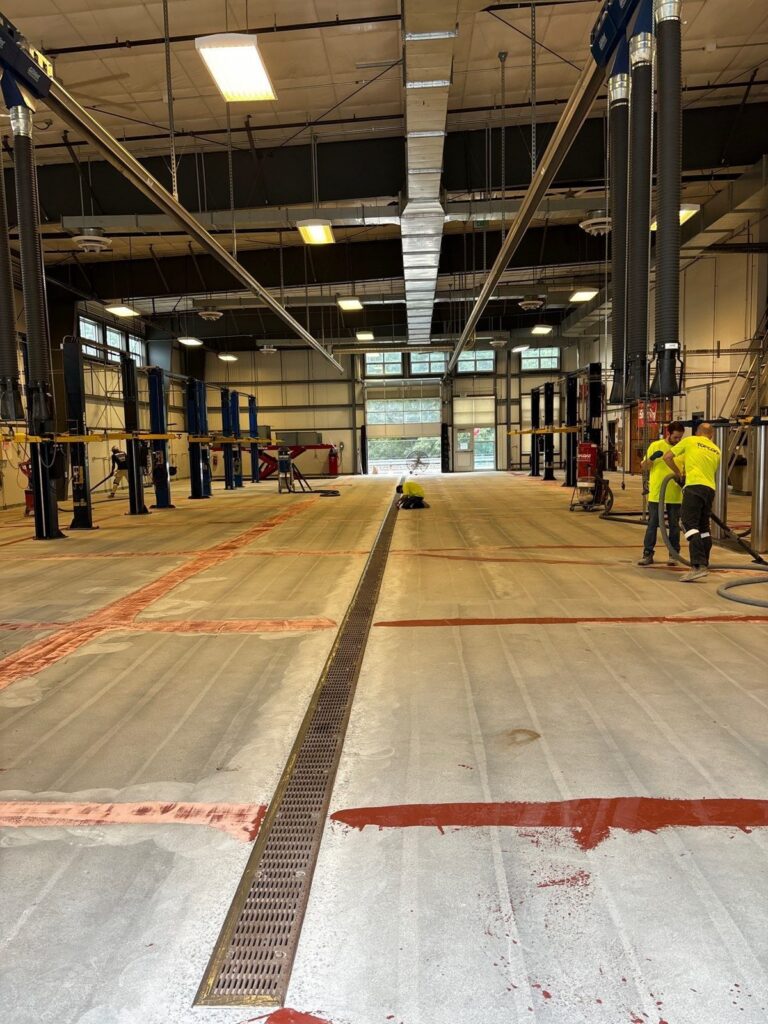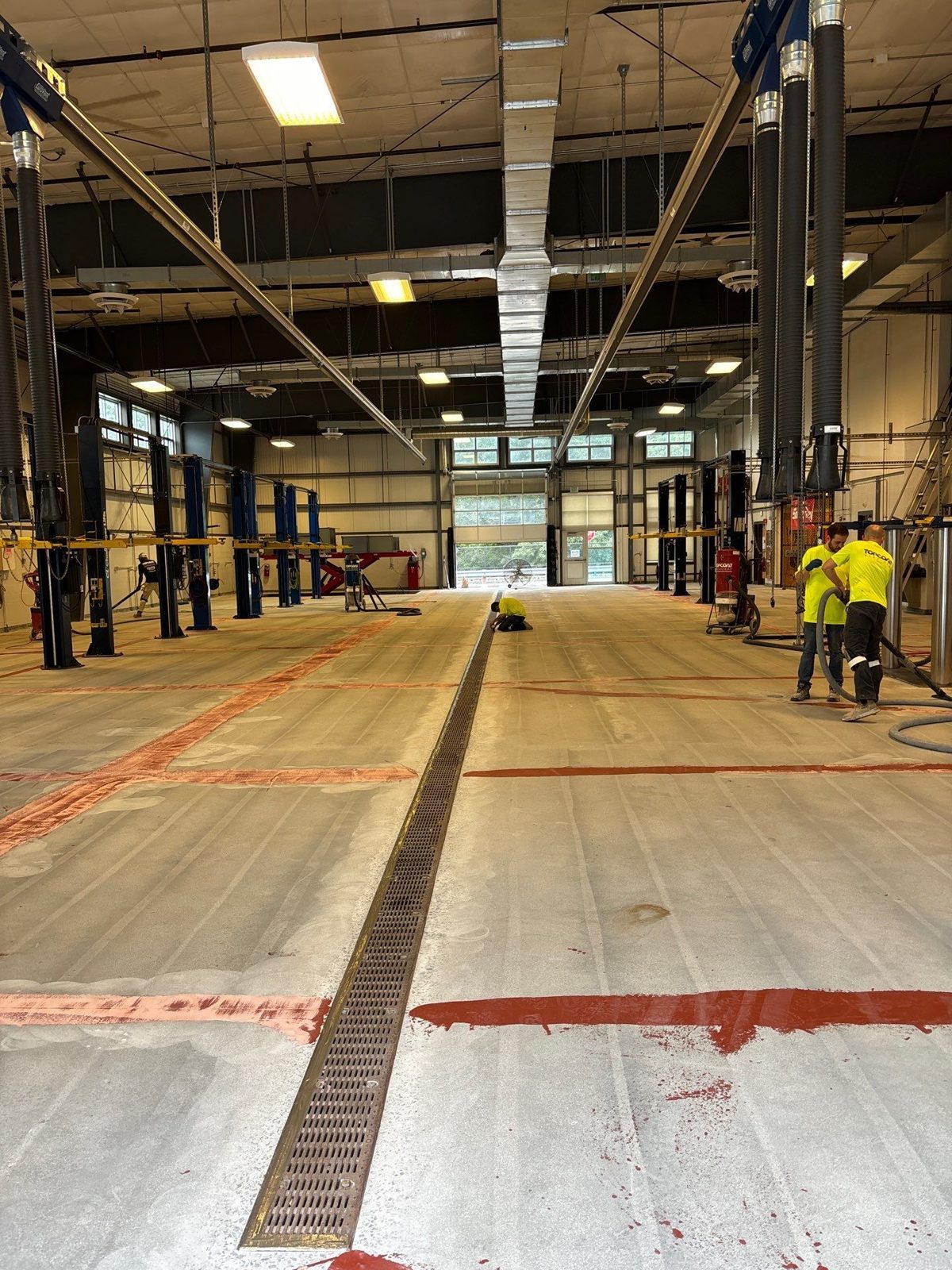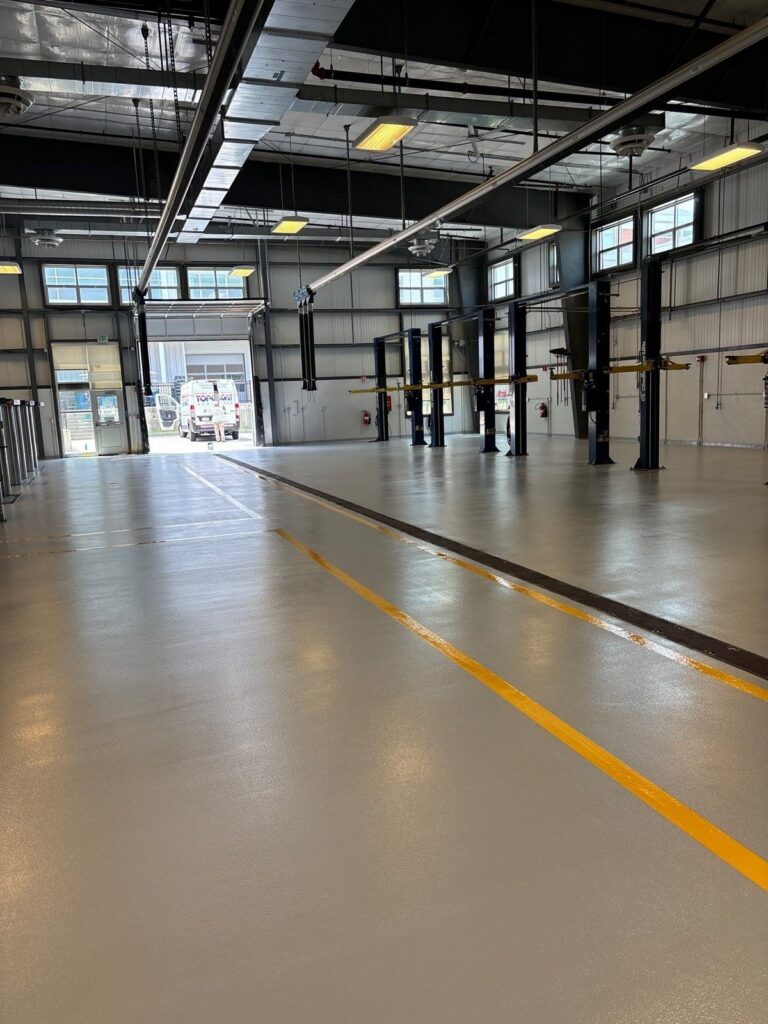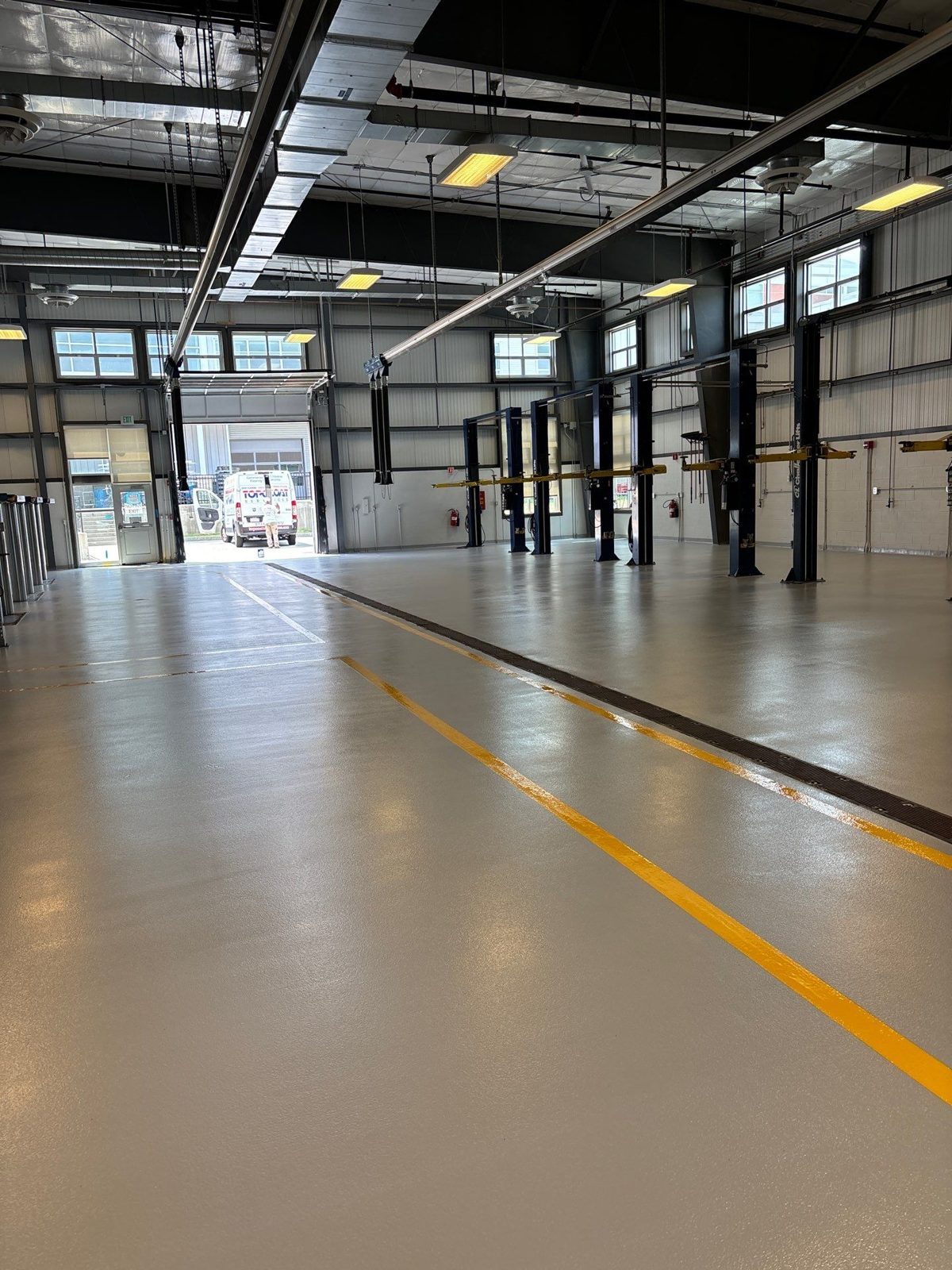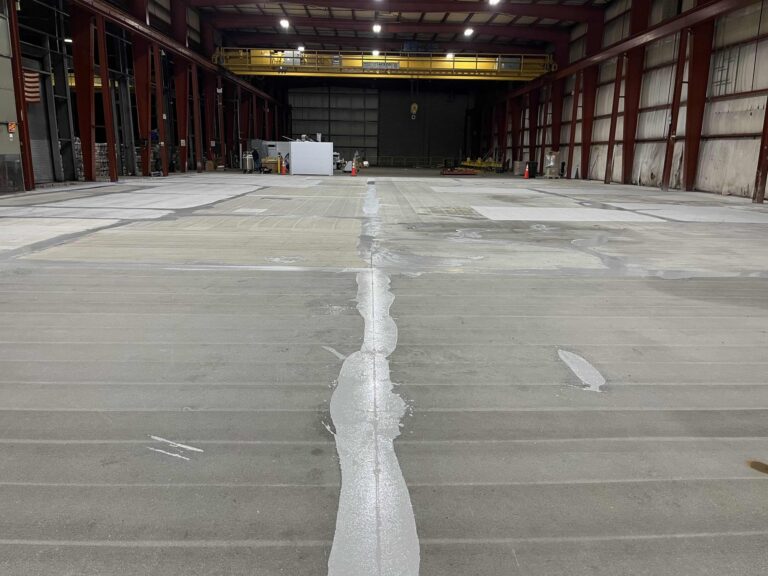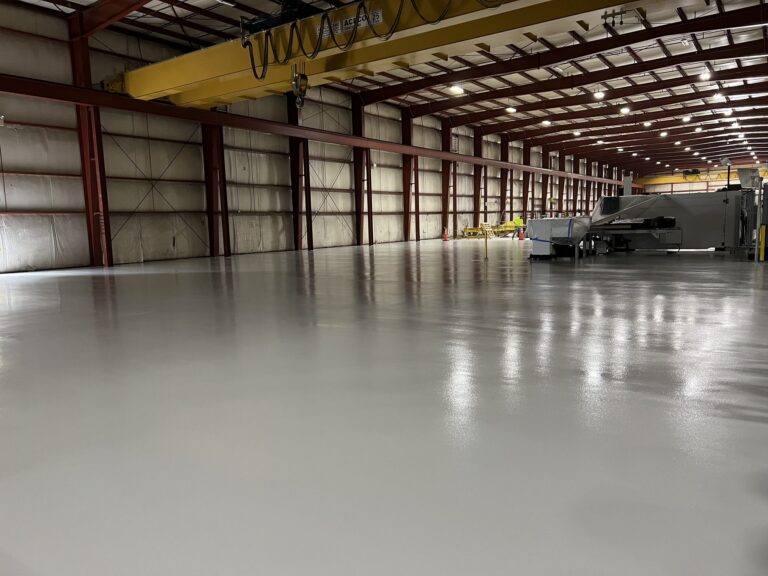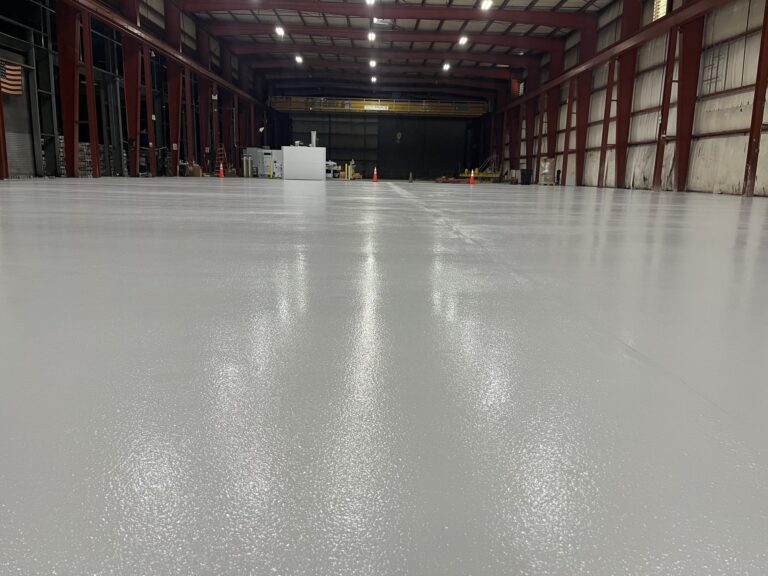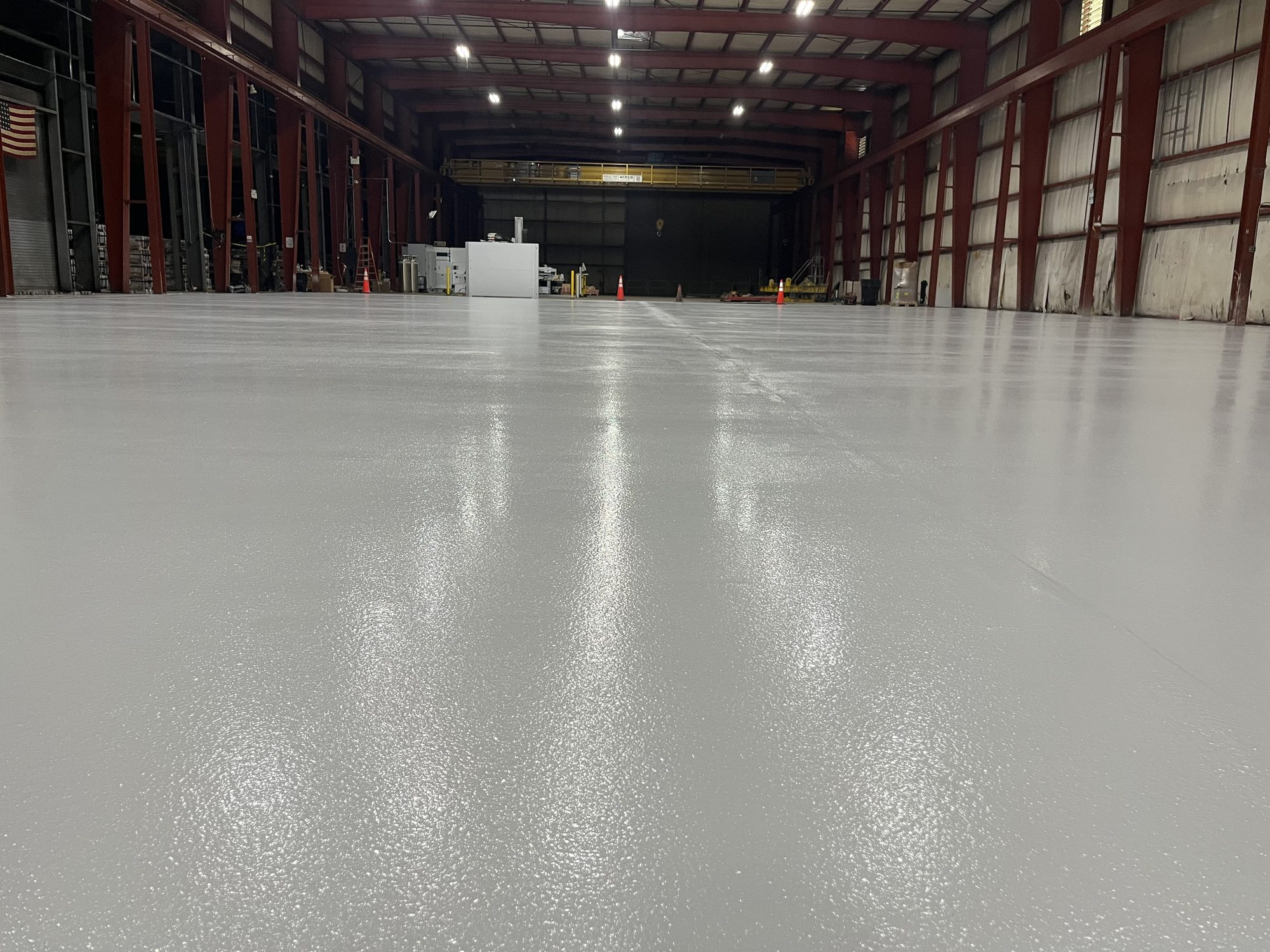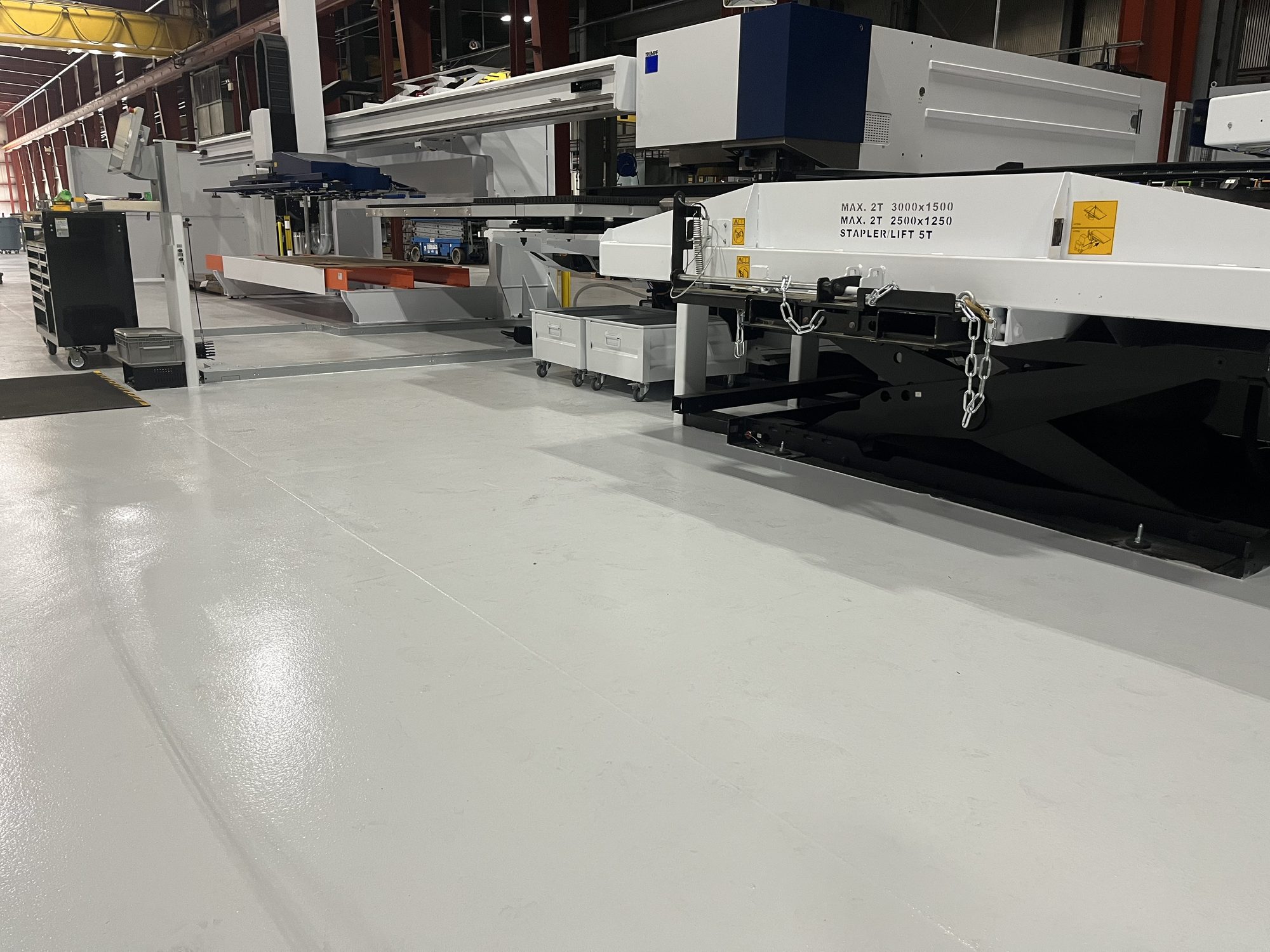
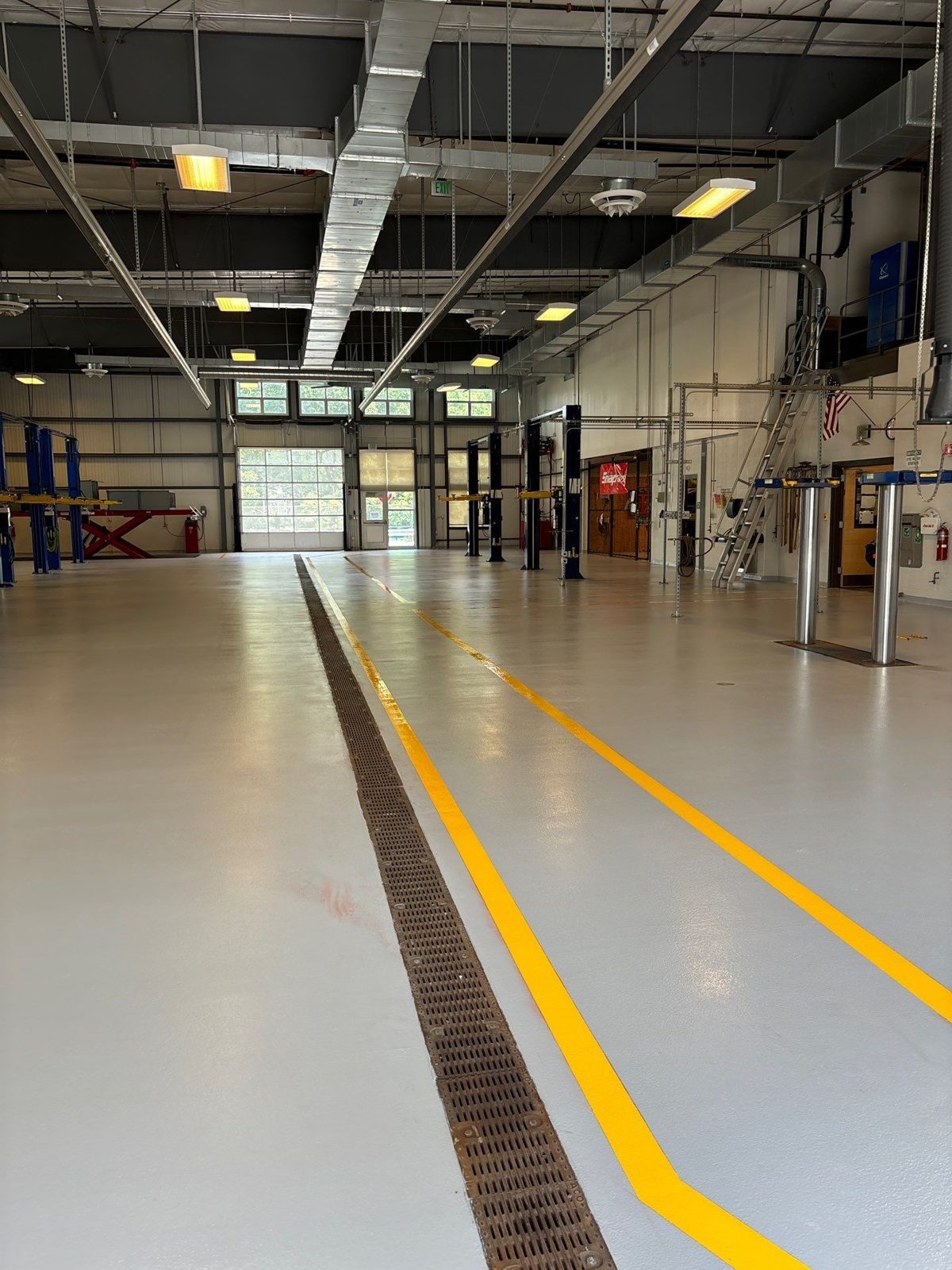
High-traffic facilities place constant demands on their floors. Forklifts, pallet jacks, carts, and steady foot traffic can quickly wear down surfaces that are not built for industrial use. Choosing the right industrial flooring helps reduce safety risks, limits downtime, and supports daily operations without frequent repairs.
Industrial flooring must handle more than weight alone. Many facilities deal with moisture, chemical exposure, temperature changes, and strict cleaning requirements. A floor that performs well in these conditions protects workers while supporting long-term facility planning.
This guide reviews the most practical industrial flooring options for high-traffic environments and explains where each system performs best.
What High-Traffic Facilities Need From Industrial Flooring
Industrial flooring in busy environments must remain stable under continuous use. Surfaces that break down too soon create hazards and interrupt production. Durability, safety, and maintenance all play a role in selecting the right system.
Floors must resist abrasion from movement and impacts from equipment. They also need to provide traction in areas exposed to liquids or debris. Seamless systems help reduce dirt buildup and simplify cleaning routines.
Facilities often evaluate industrial flooring based on a few core factors:
- Daily traffic volume and equipment weight
- Exposure to chemicals or moisture
- Cleaning and sanitation needs
- Operational schedules and downtime limits
Understanding these factors helps narrow the right solution for each space.
Epoxy Industrial Flooring for High-Traffic Areas
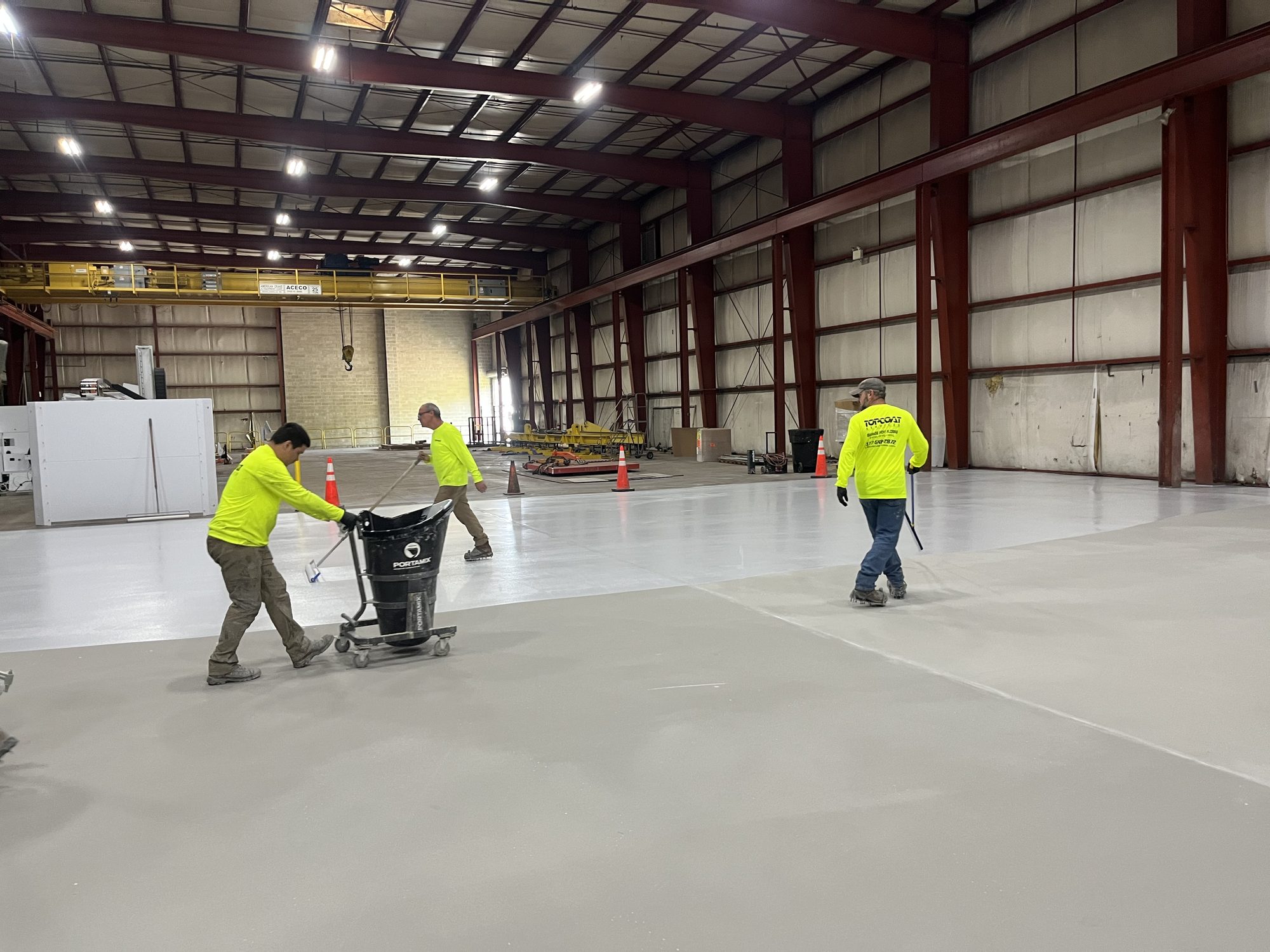
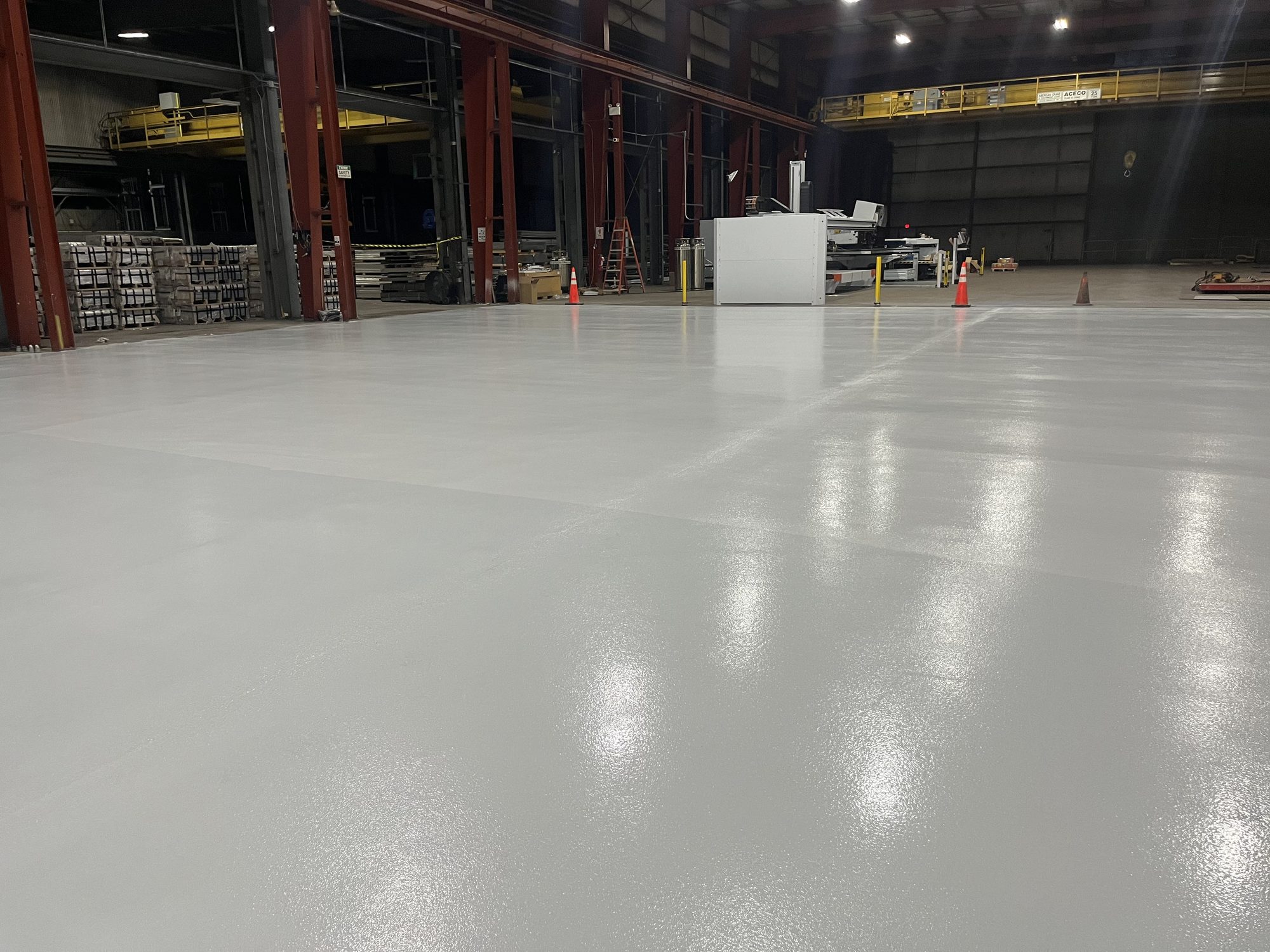
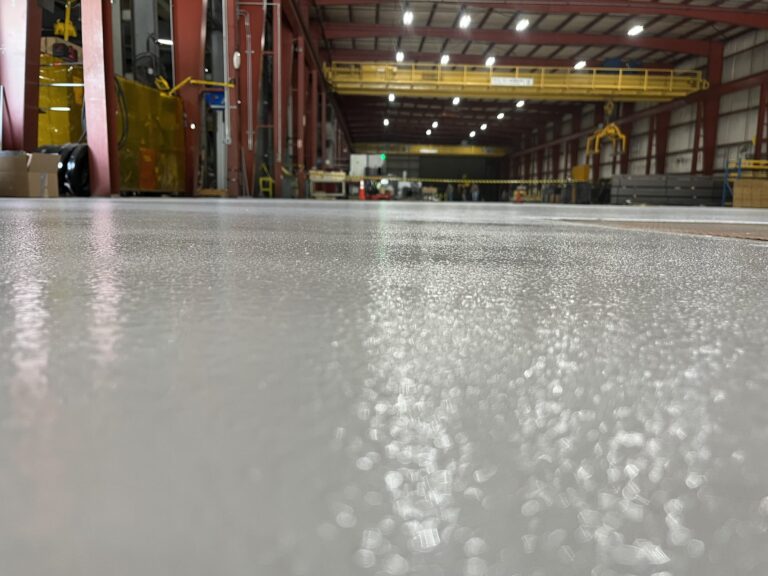
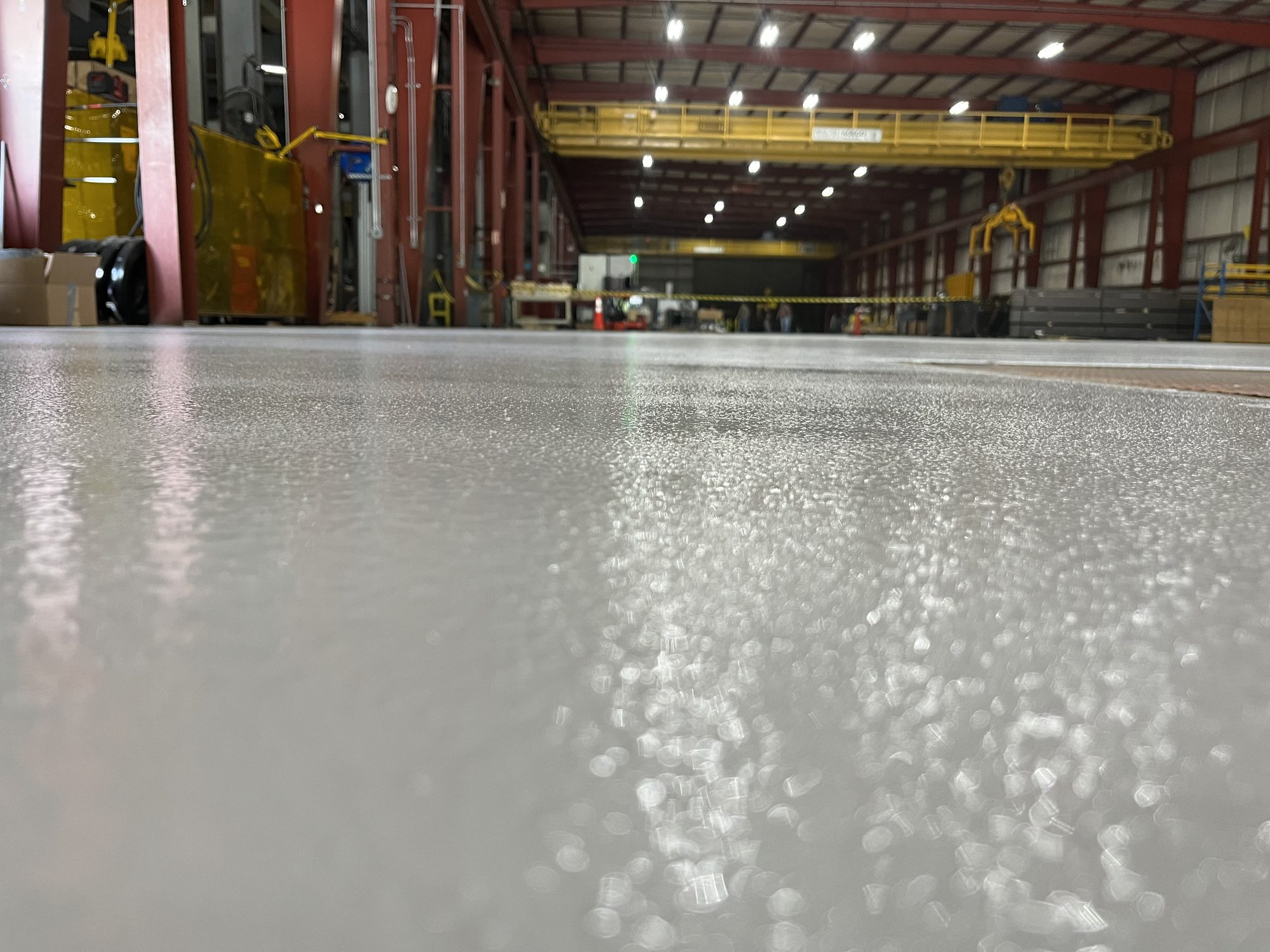
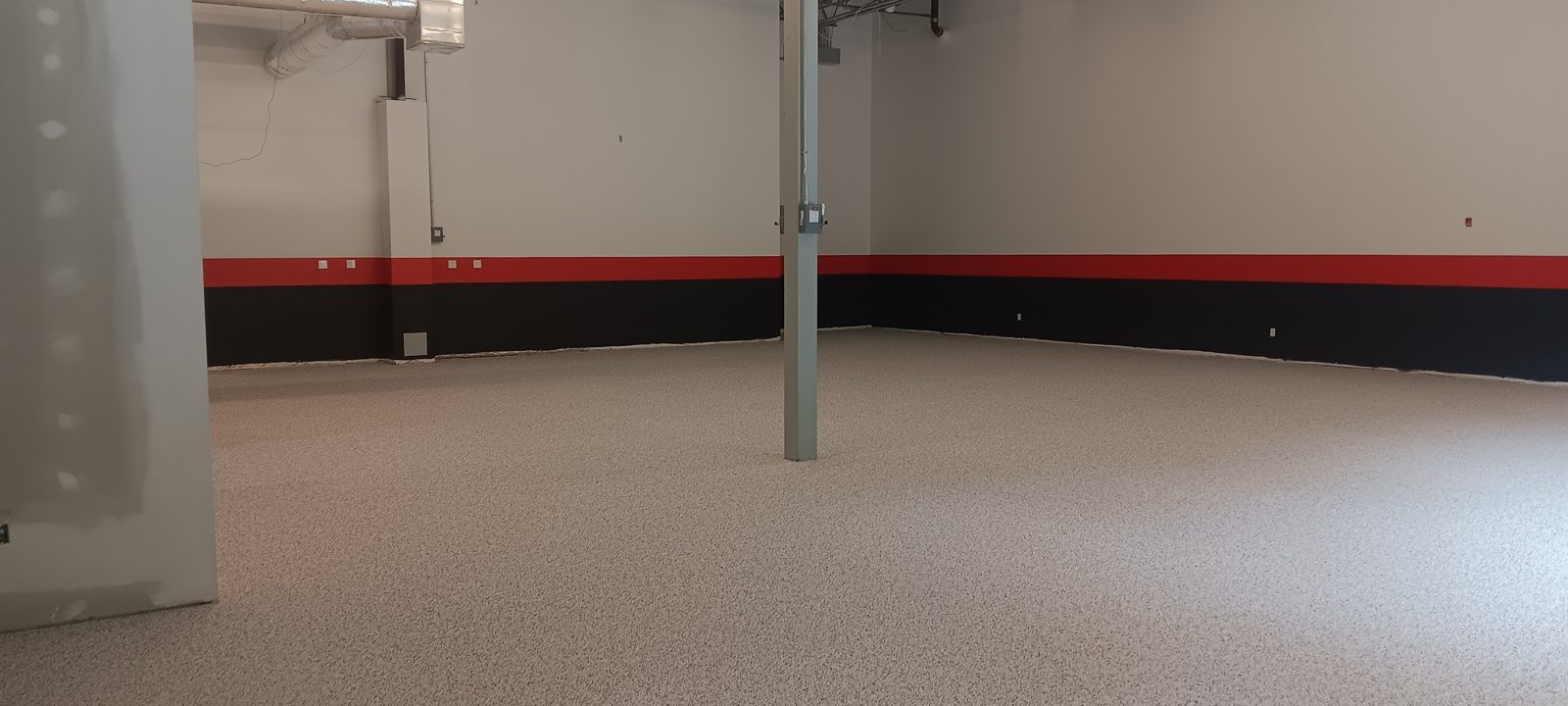
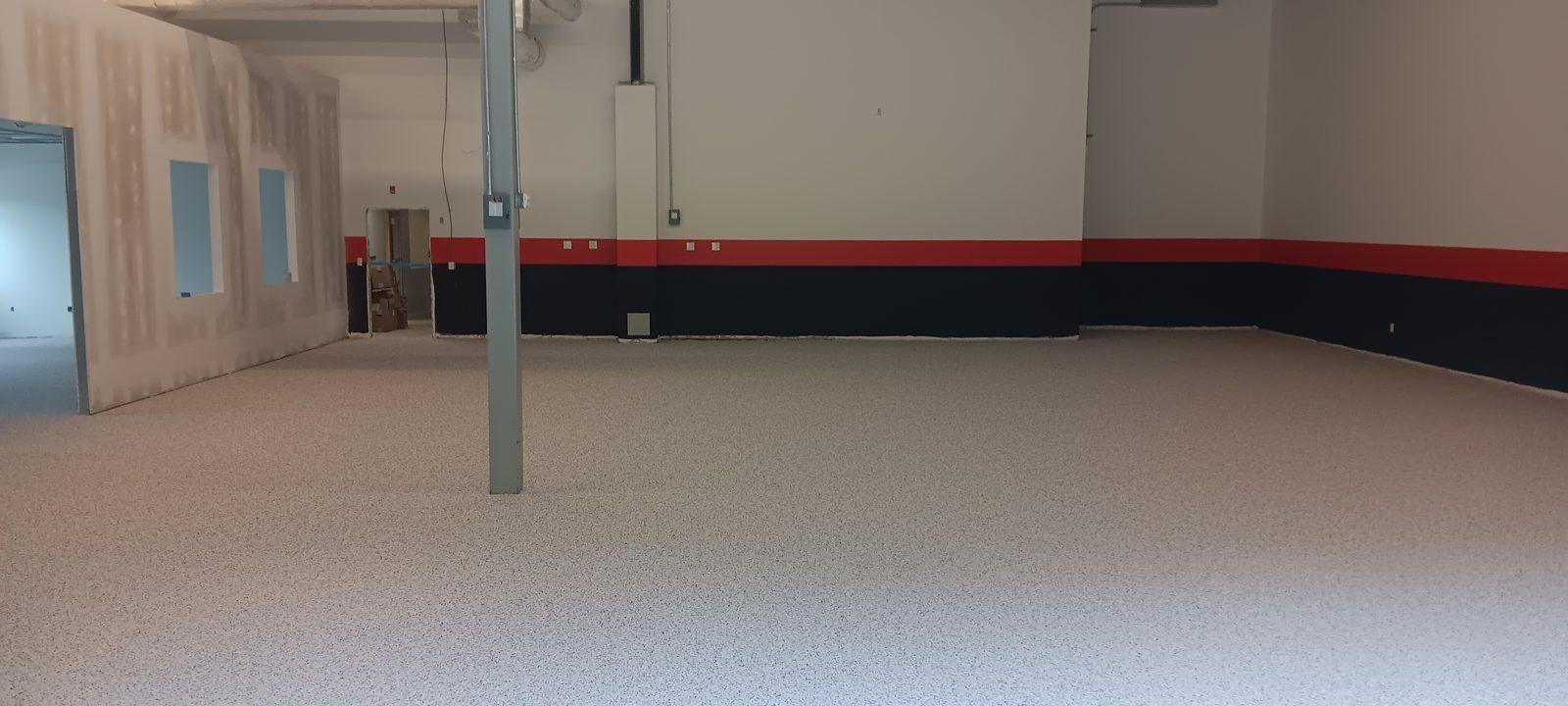
Epoxy remains one of the most common industrial flooring systems for high-traffic facilities. It bonds directly to concrete and forms a seamless surface that resists wear, impacts, and many chemicals.
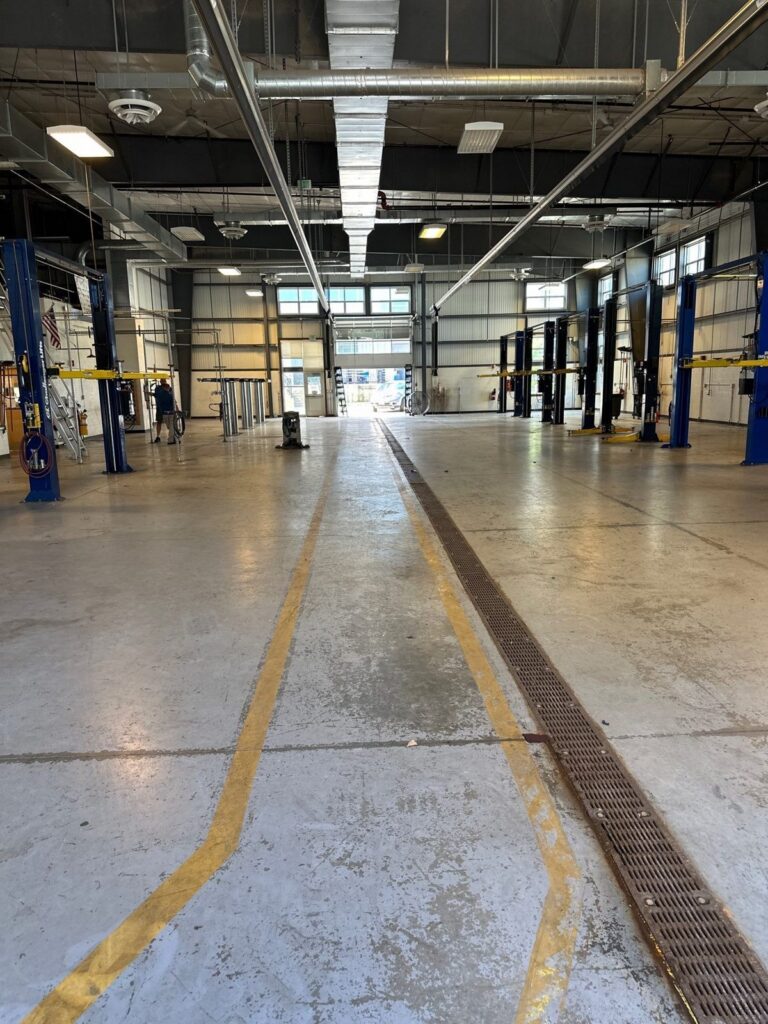
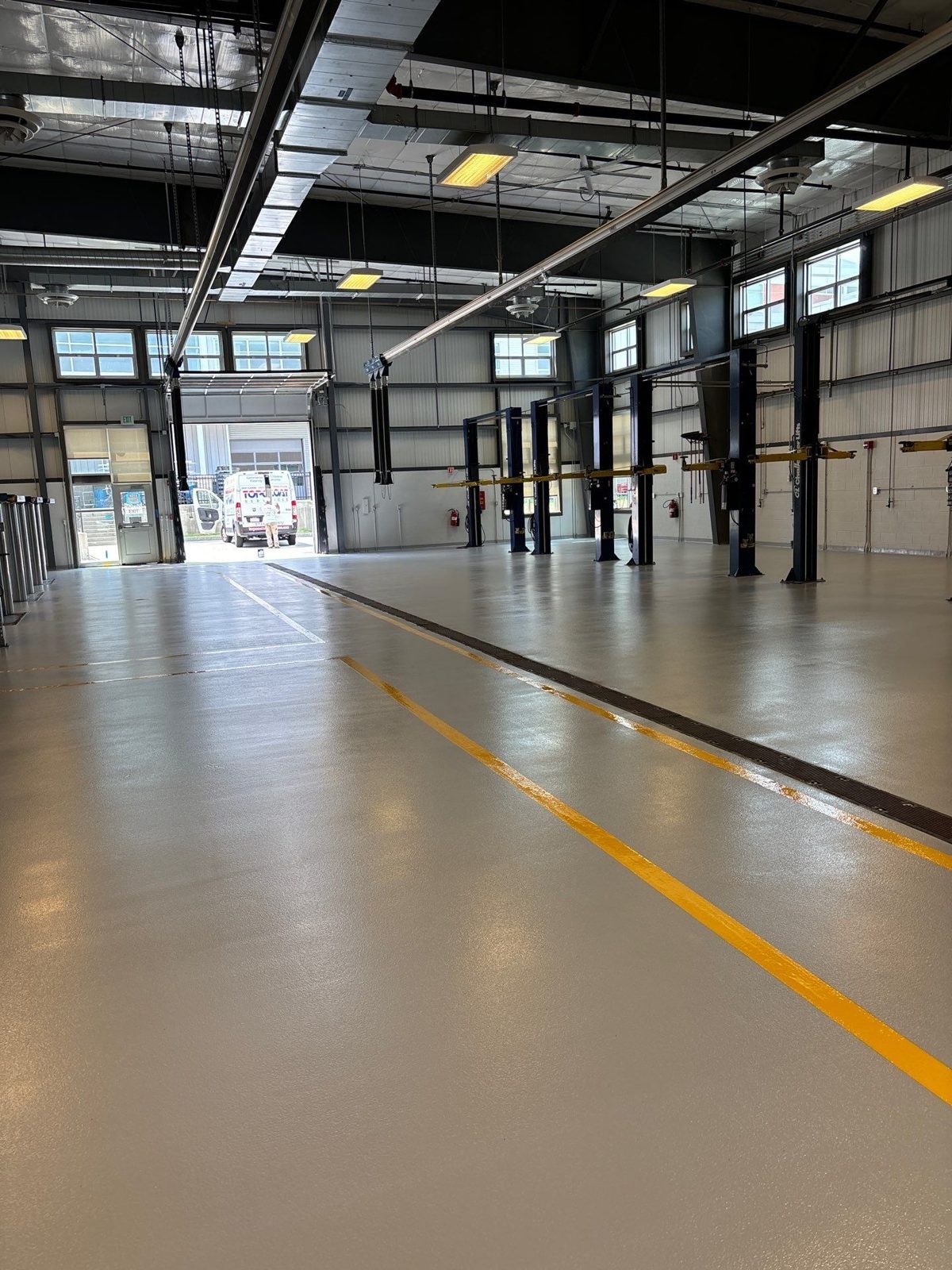
Epoxy industrial flooring performs well in warehouses, manufacturing plants, and automotive facilities. The smooth surface limits dust and debris while supporting regular cleaning. Slip-resistant textures can be added to improve traction where moisture is present.
Another benefit of epoxy is versatility. Thickness and finish can be adjusted based on how the space is used. When installed by experienced professionals, epoxy flooring provides reliable performance in demanding environments.
Urethane Flooring for Harsh Conditions
Urethane systems are often selected for facilities with extreme conditions. These industrial flooring systems handle temperature changes and chemical exposure better than many alternatives.
Urethane flooring maintains flexibility, which helps reduce cracking caused by thermal movement or vibration. This makes it a strong choice for food processing plants, pharmaceutical facilities, and spaces with frequent washdowns.
Chemical resistance also sets urethane apart. It stands up to acids, oils, and cleaning agents while maintaining slip resistance. For facilities that operate nonstop, urethane industrial flooring supports durability without frequent surface repairs.
Polished Concrete as an Industrial Flooring Solution
Polished concrete offers a different approach to industrial flooring. Instead of adding a coating, the existing concrete slab is refined to create a dense, smooth surface.
This option works well in high-traffic environments where appearance and performance matter. Polished concrete resists surface wear from equipment and foot traffic. Since there is no coating layer, peeling or delamination is not a concern.
Facilities such as distribution centers, manufacturing spaces, and showrooms often use polished concrete for its durability and simple maintenance requirements. While it may not suit spaces with heavy chemical exposure, it remains a practical industrial flooring option for many operations.
Seamless Resinous Industrial Flooring Systems
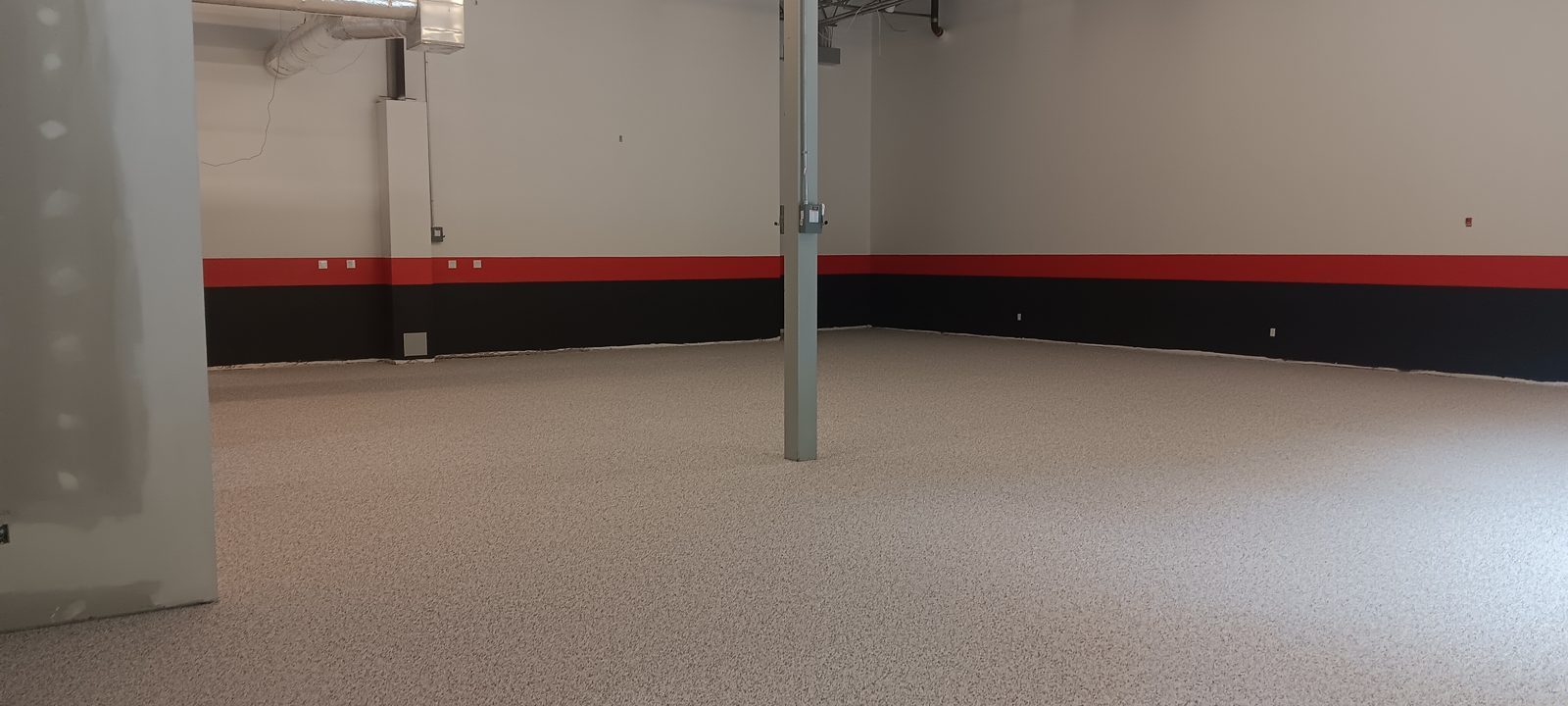
Seamless resinous flooring systems include epoxy and urethane blends designed for continuous performance. These systems eliminate joints where moisture and debris can collect.
Industrial flooring with a seamless surface supports sanitation standards in food production, healthcare manufacturing, and laboratory environments. The smooth finish allows for regular cleaning without trapping contaminants.
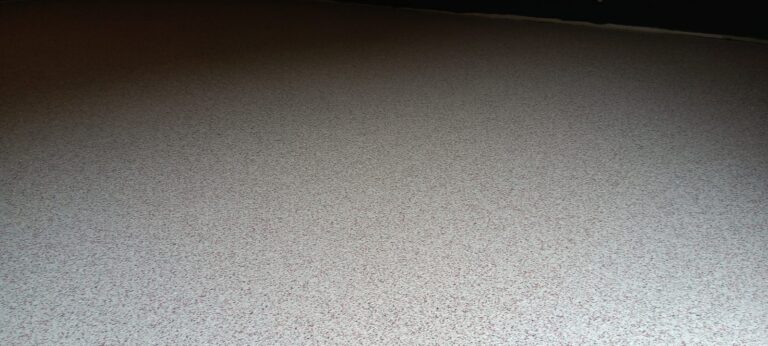
Seamless resinous systems also handle impact and abrasion well. Texture can be added to improve slip resistance in high-traffic zones. This combination of performance and cleanliness makes seamless systems a common choice for regulated facilities.
Anti-Static Industrial Flooring for Sensitive Operations
Some facilities require protection from static electricity. Anti-static industrial flooring helps control electrical discharge that can damage equipment or disrupt operations.
These systems use conductive materials to safely disperse static charges. They are often used in electronics manufacturing, data centers, and cleanrooms. Despite their specialized function, anti-static floors still support heavy traffic and routine cleaning.
For environments where precision equipment is present, anti-static industrial flooring provides an added layer of protection without sacrificing durability.
The Importance of Professional Installation
Even the best industrial flooring systems depend on proper installation. Surface preparation directly affects how the floor performs under traffic. Moisture testing, concrete repairs, and correct application methods all play a role.
Professional installers understand how different systems respond to site conditions. This experience helps prevent early failures and reduces long-term repair costs. Planning installation around operational schedules also limits downtime.
Industrial Flooring Solutions from Topcoat Services
Topcoat Services specializes in industrial flooring systems designed for high-traffic environments. Their team works with facility managers to select solutions based on traffic levels, safety needs, and operating conditions.
From epoxy and urethane systems to seamless resinous flooring, Topcoat Services delivers industrial flooring that supports demanding commercial and industrial spaces.
Contact Us Today!
High-traffic facilities require flooring systems that perform consistently under pressure. Industrial flooring options such as epoxy, urethane, polished concrete, and seamless resinous systems each serve different operational needs.
Choosing the right industrial flooring improves safety, supports daily operations, and reduces maintenance disruptions. With professional installation and the right system, facilities gain dependable performance without constant repairs.
To learn more about industrial flooring solutions for your facility, contact Topcoat Services today to discuss your project needs.
FAQ: Industrial Flooring for High-Traffic Facilities
What industrial flooring works best for high-traffic facilities?
Industrial flooring systems like epoxy and urethane are commonly used in high-traffic facilities because they resist impact, abrasion, and surface wear.
Is industrial flooring safe for employees?
Industrial flooring can include slip-resistant finishes that reduce fall risks in busy work environments.
Can industrial flooring handle chemical exposure?
Many industrial flooring systems are designed to resist oils, solvents, and cleaning chemicals, especially epoxy and urethane options.
How do I choose the right industrial flooring system?
Selecting industrial flooring depends on traffic levels, equipment use, chemical exposure, and cleaning requirements. A professional contractor can help evaluate these factors.
How long does industrial flooring last in busy facilities?
Industrial flooring lifespan depends on traffic intensity and maintenance practices, but professionally installed systems can perform for many years.
With over 12 years of work experience in various fields, I am a versatile and adaptable manager at Topcoat Services USA LLC, a leading provider of polished concrete and epoxy flooring solutions. I have a strong background in logistics, having served as a logistics specialist in the United States Marine Corps for four and a half years. I also have a passion for culinary arts, and I worked as a sous chef at Crafted Hospitality, a renowned restaurant group, for two and a half years. At Topcoat Services USA LLC, I leverage my skills in epoxy flooring, project estimation, and logistics to deliver high-quality and cost-effective projects for our clients. I enjoy working with a diverse and collaborative team of professionals, and I am always eager to learn new techniques and technologies in the flooring industry. My mission is to create durable, beautiful, and sustainable floors that meet the needs and expectations of our customers.