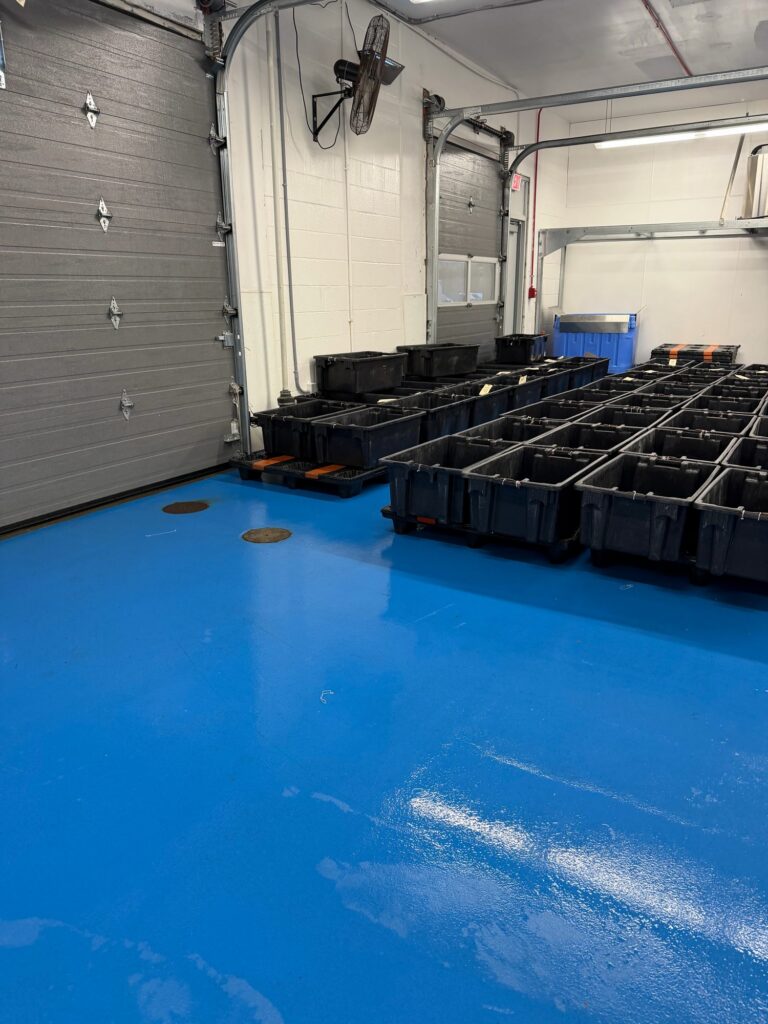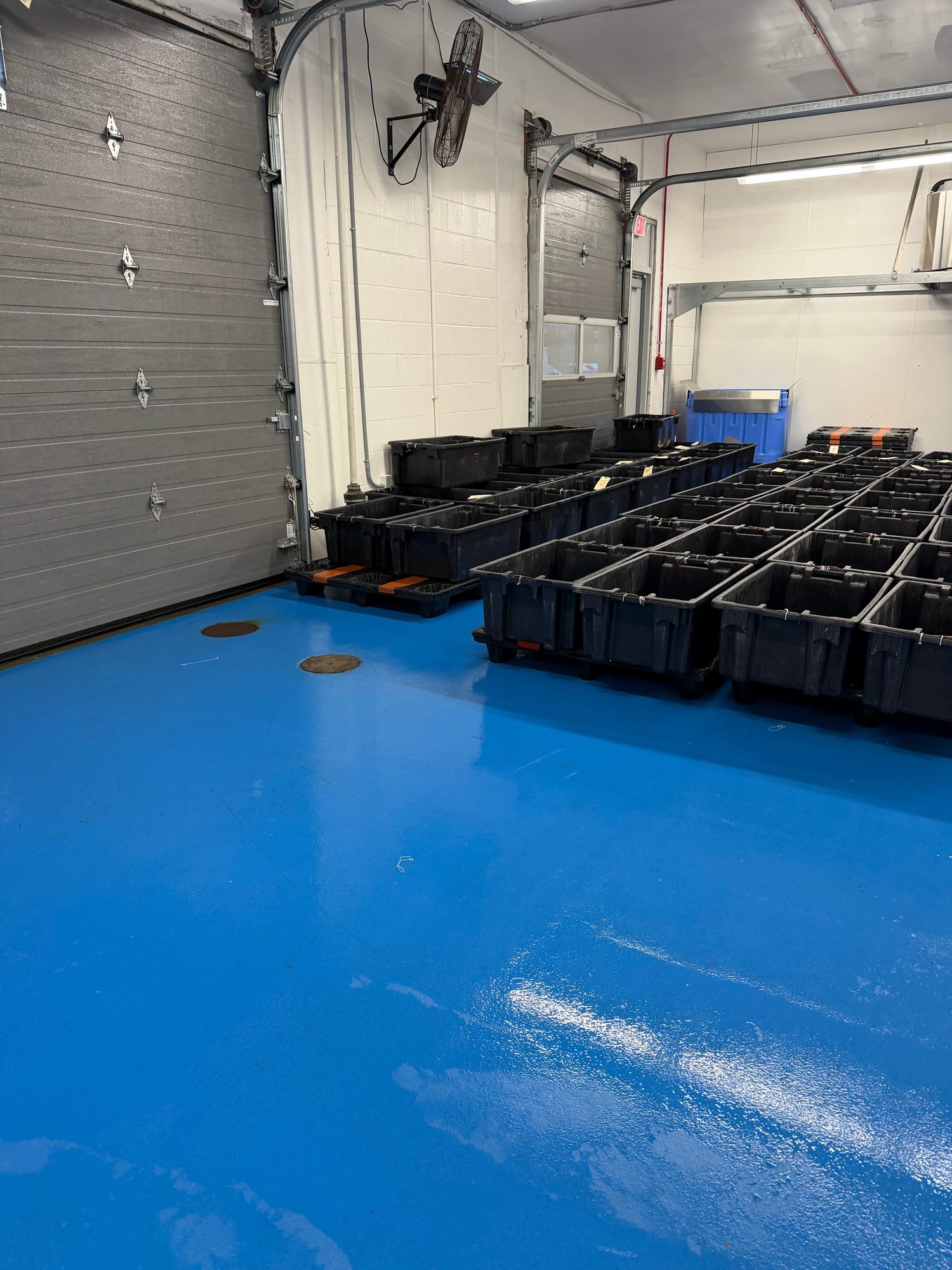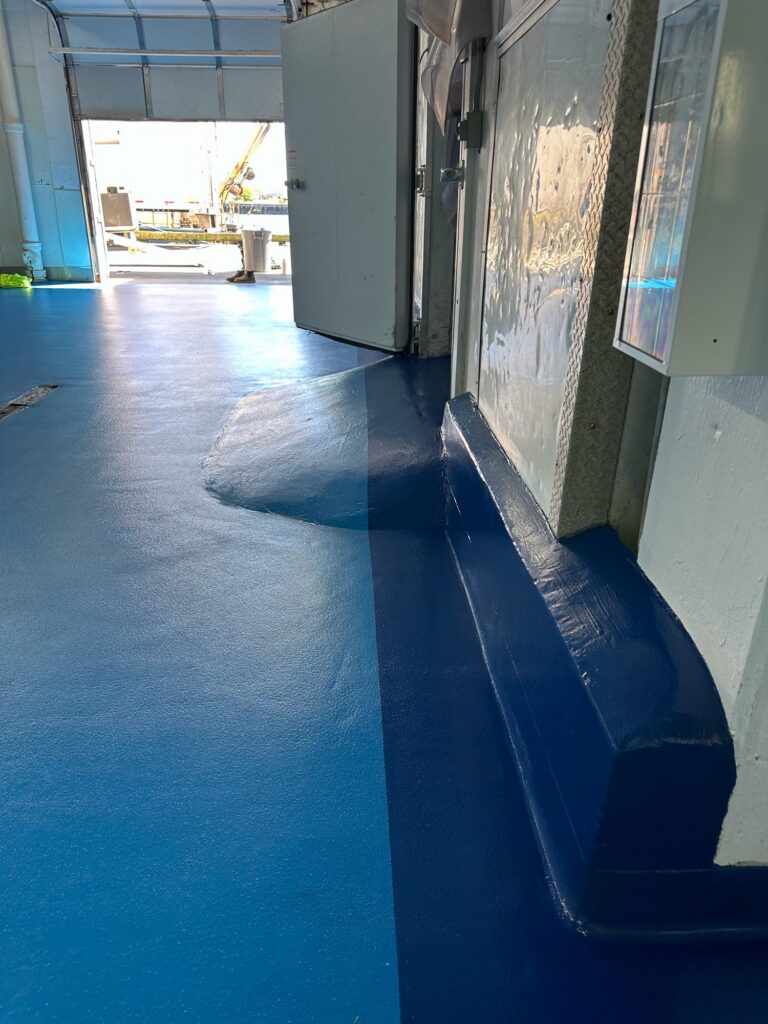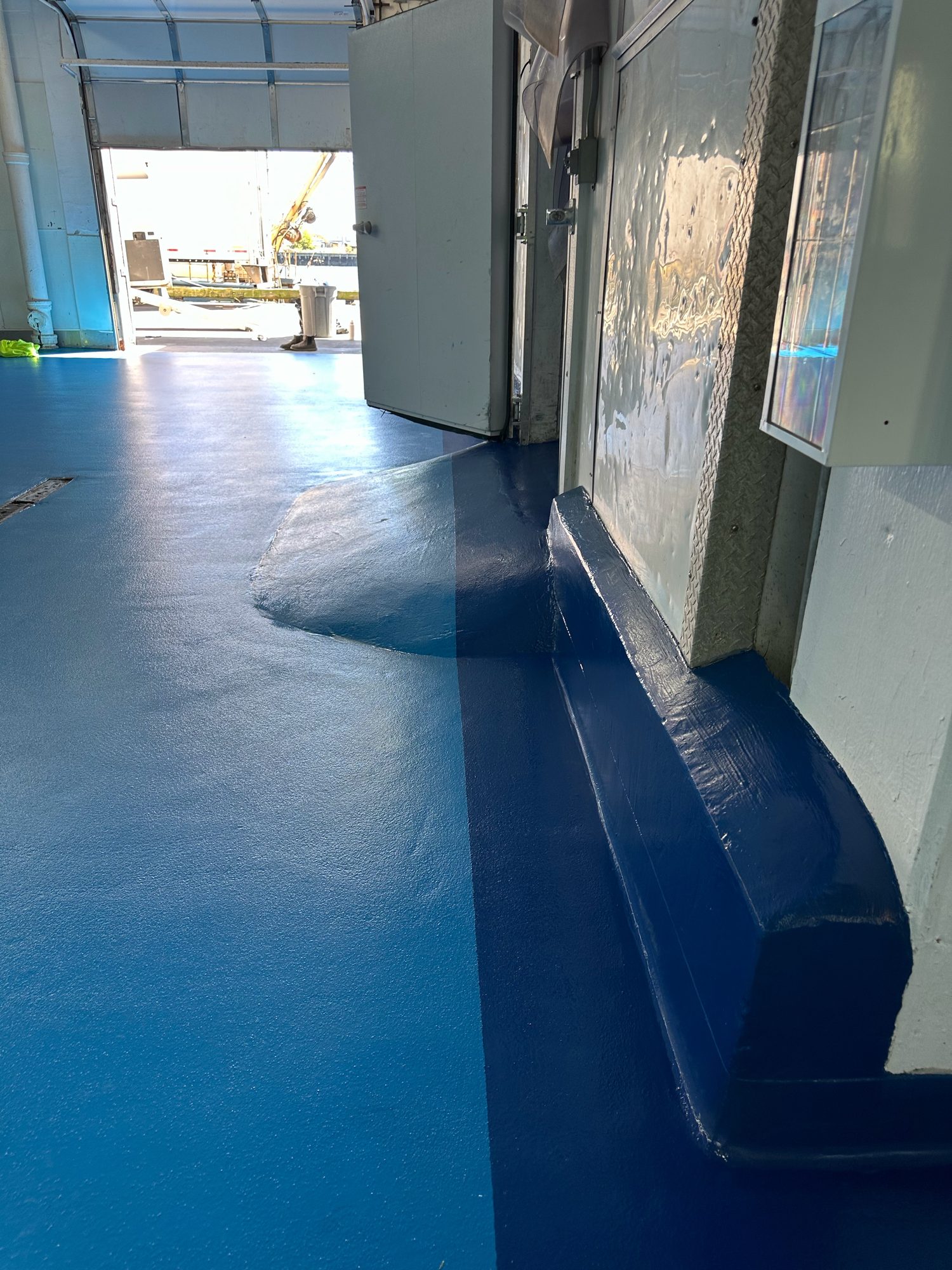
Flooring planned around your process—and your production schedule.
Topcoat Services installs flooring for food and beverage facilities across New England. We match urethane cement, MMA and epoxy systems to the conditions in each area, from wet processing and washdown zones to packaging, storage and circulation routes.
Our crews coordinate preparation, repairs and installation around the substrate, cleaning requirements and available shutdown window.
Consider temperature, chemicals, moisture and traffic.
Preparation and installation coordinated by Topcoat.
Address coves, drains, joints and transitions.
Evaluate fast-curing options and reopening requirements.
The right floor depends on the process in each room. Urethane cement is an important option for demanding wet areas with temperature changes and rigorous cleaning. MMA systems can be considered where fast curing and a limited installation window are priorities. Specified epoxy systems may suit areas where their performance matches the exposure.
Choose the complete flooring assembly around the actual conditions. Production, packaging, cold storage and loading areas may require different systems within the same facility.
Planning a restaurant or commercial kitchen? See commercial kitchen flooring.
| Facility area | Conditions to establish before selection |
|---|---|
| Wet processing and washdown | Water exposure, cleaning temperatures, chemicals, drainage and texture |
| Packaging and dry production | Traffic, equipment, cleaning, wear and surface requirements |
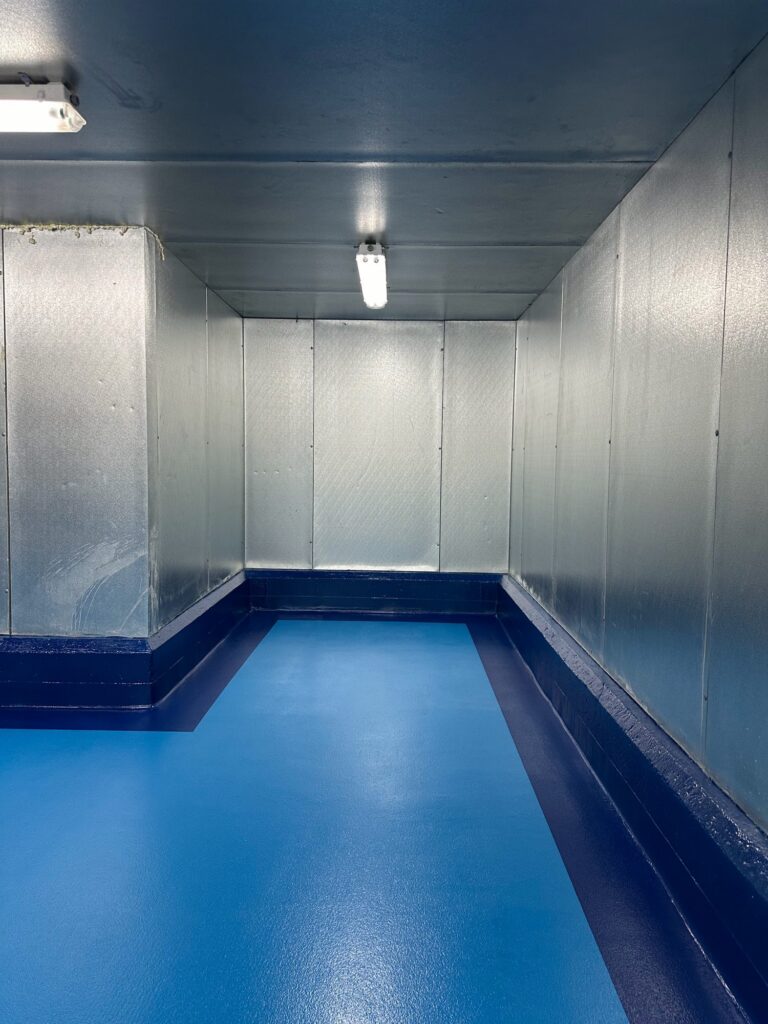
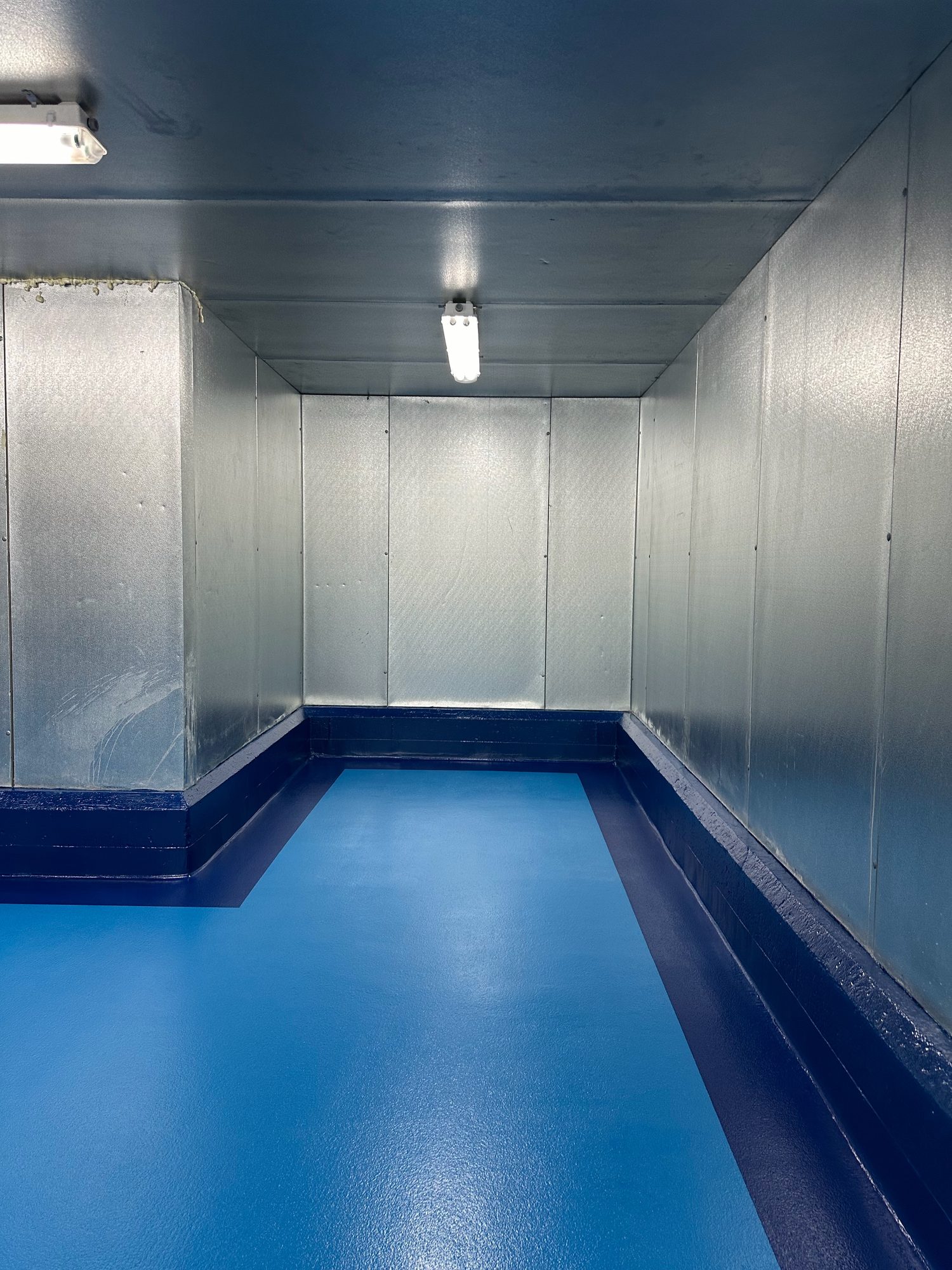
| Cold storage and temperature transitions | Operating temperature, installation temperature, condensation and thermal cycling |
| Ingredient and chemical handling | Specific substances, concentrations, contact times and spill procedures |
| Loading and circulation routes | Forklifts, pallet trucks, impact, turning areas and joint condition |
| Employee and support areas | Foot traffic, cleanability, appearance and maintenance |
An installation-temperature rating and an operating-temperature rating are different requirements. One describes the conditions needed while the floor is installed and cures; the other describes the conditions the finished floor will see in service. Confirm both for the selected system.
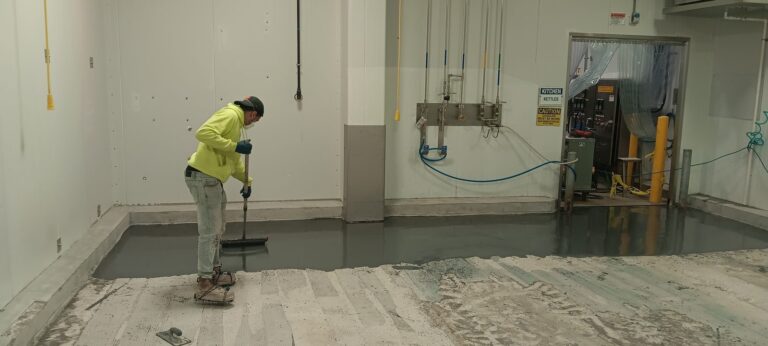
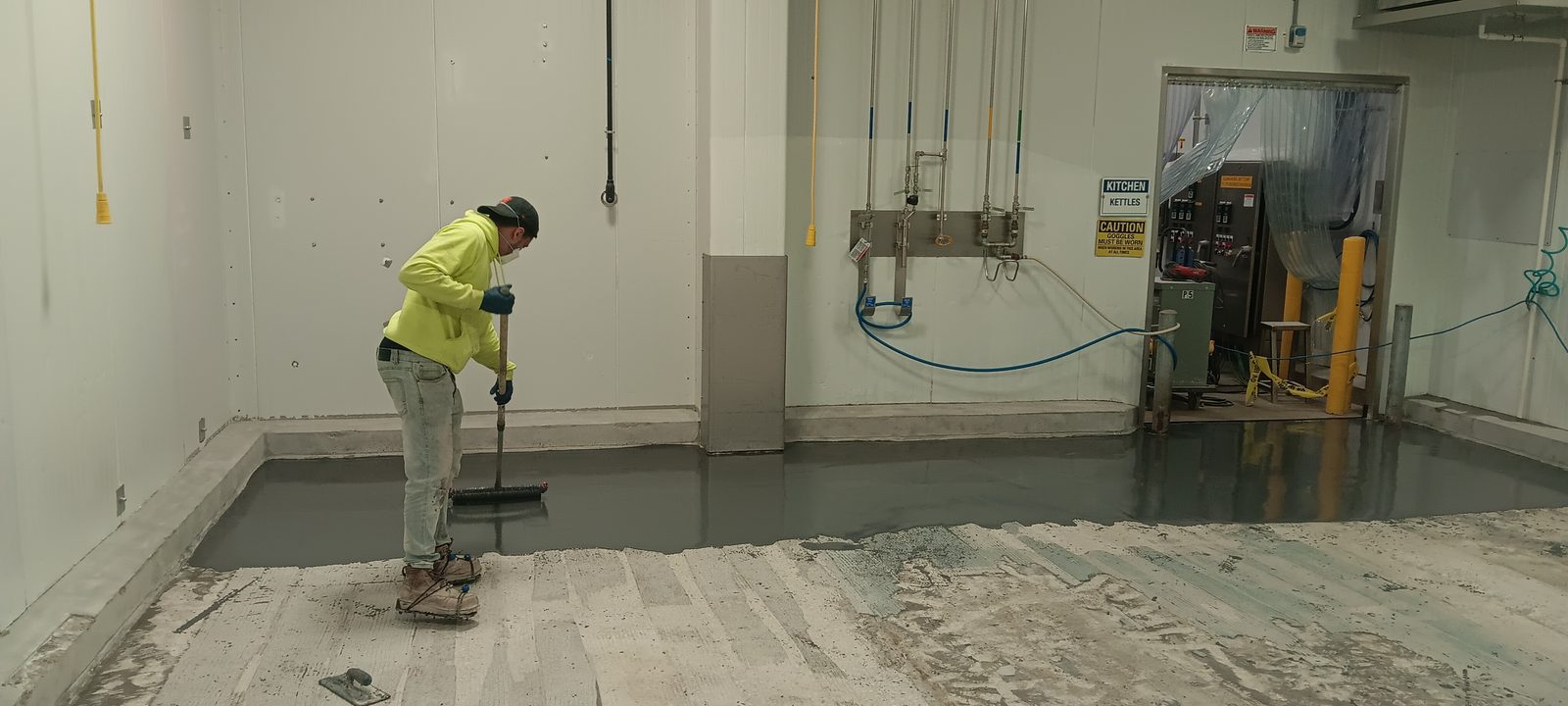
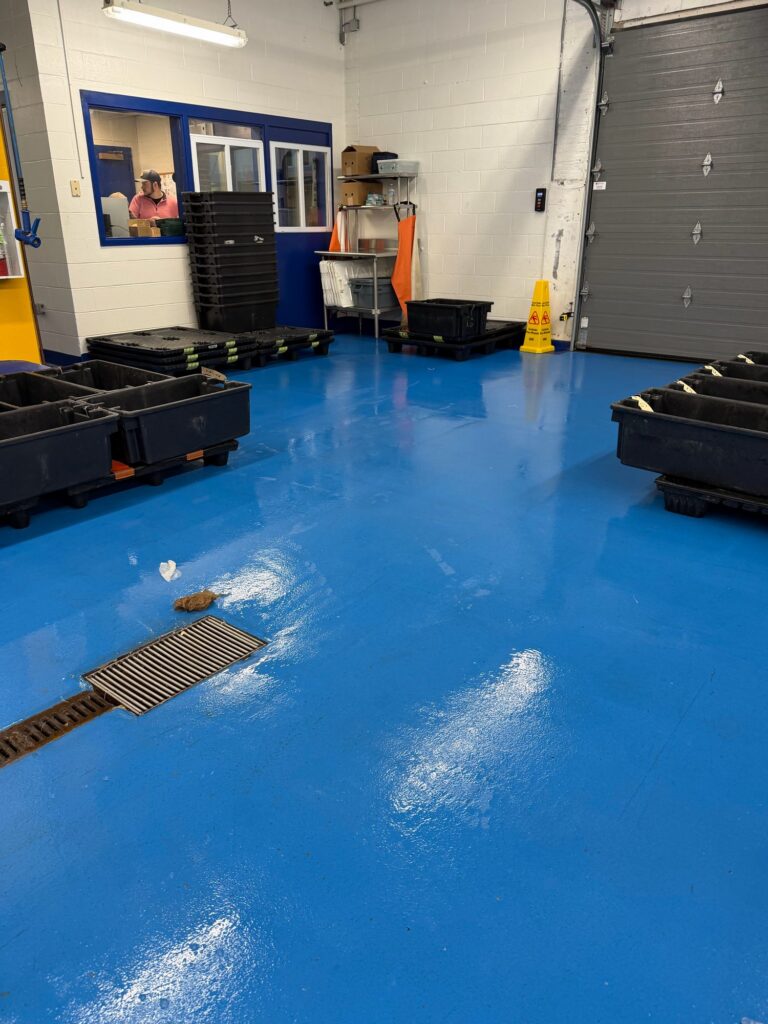
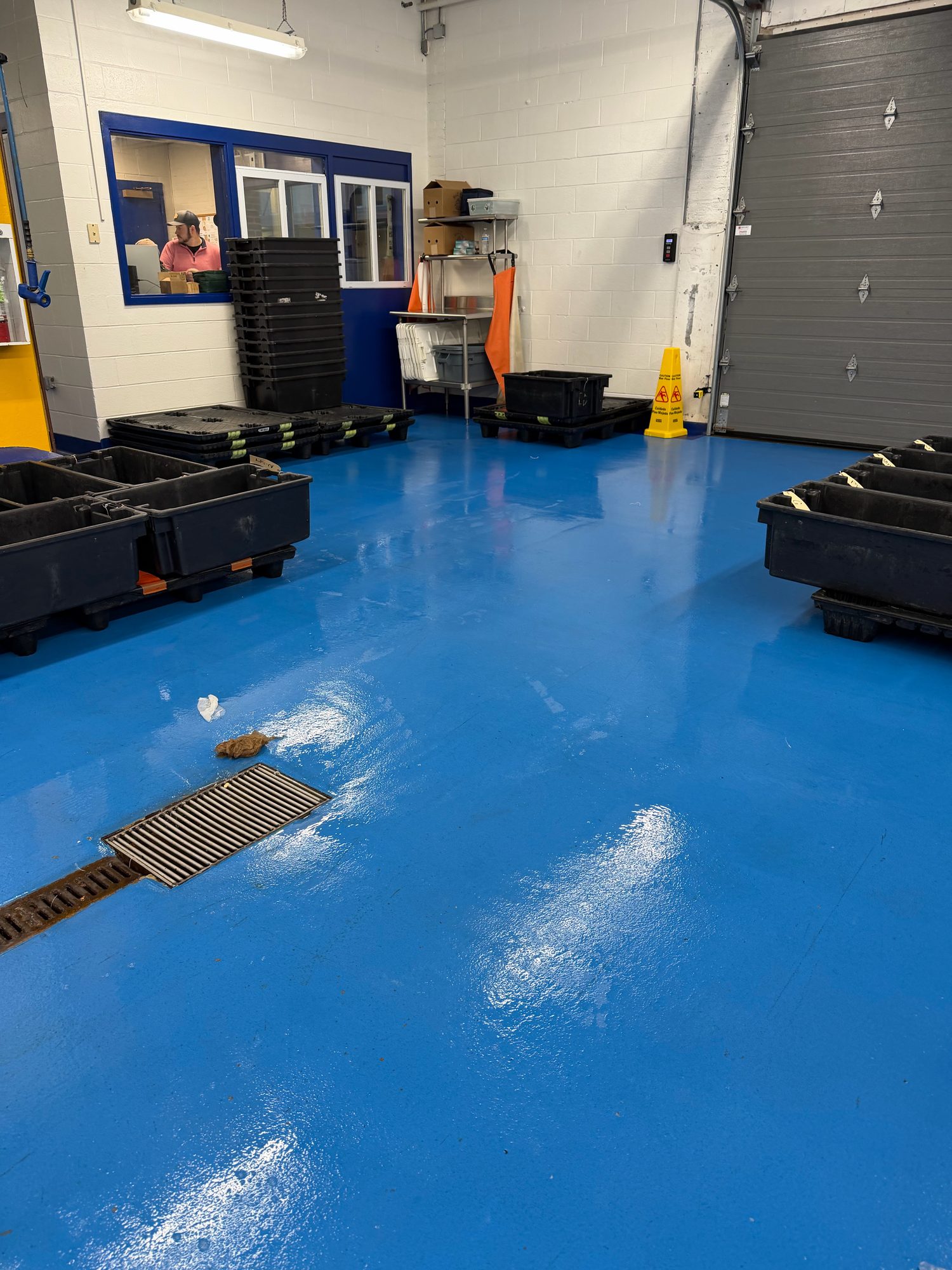
Evaluate a specified urethane cement system where thermal cycling, wet conditions, cleaning and heavy use drive the requirements. Select the system thickness, texture and finish around the actual exposure.
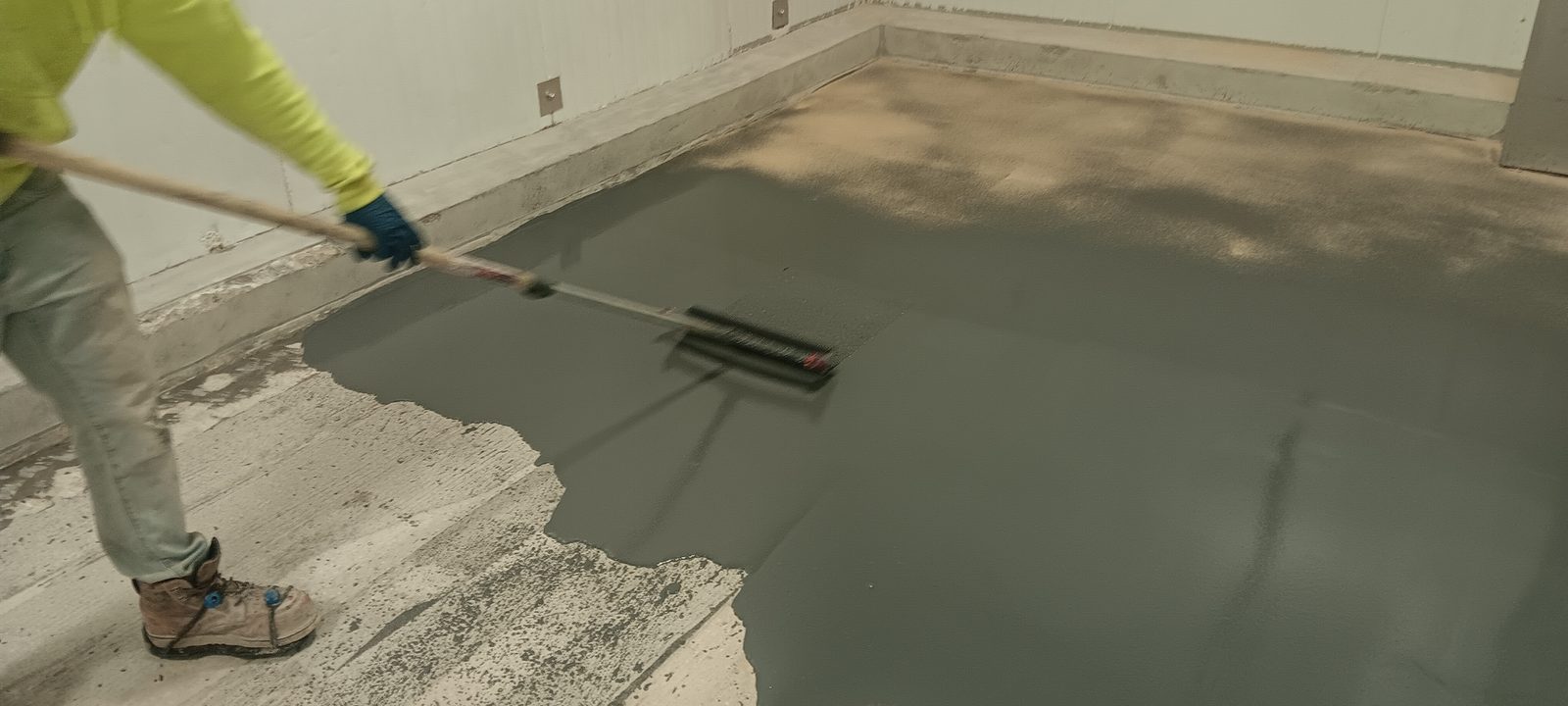
Methyl methacrylate, or MMA, flooring systems use fast-curing resin technology. They can be an option where a facility has a limited work window and needs to coordinate floor installation with production.
Selection still depends on the substrate, service conditions and complete system. Preparation, repairs, ventilation and the required cure remain part of the schedule.
Specified epoxy systems can provide durable, cleanable surfaces where their chemical, temperature and traffic capabilities match the area. Select the chemistry and build for the actual process rather than assuming every epoxy suits every production room.
MMA flooring offers fast-curing options for facilities with limited shutdown windows. Its fast-curing technology can help shorten the coating portion of an installation, subject to the selected system and site conditions.
The complete project schedule also includes removal, substrate repairs, preparation, detailing, application and inspection. A fast-curing finish does not eliminate those steps.
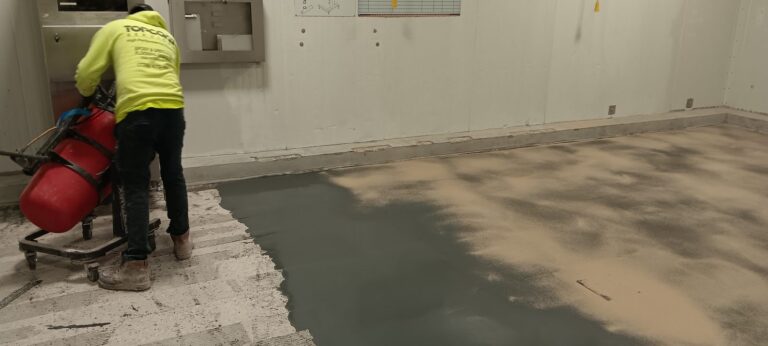
A complete MMA flooring system and another flooring assembly finished with MMA coats are not the same specification. The proposal should identify the base, broadcast, grout and finish materials so the owner understands the complete installed system.
MMA installation requires planning for ventilation, odor management, work-zone separation and nearby operations. Coordinate air movement, food and packaging protection, and any required equipment shutdowns with the facility before installation.
Pedestrian access, equipment movement, chemical exposure and washdown may have different return-to-service requirements. Establish the required reopening condition before selecting the system.
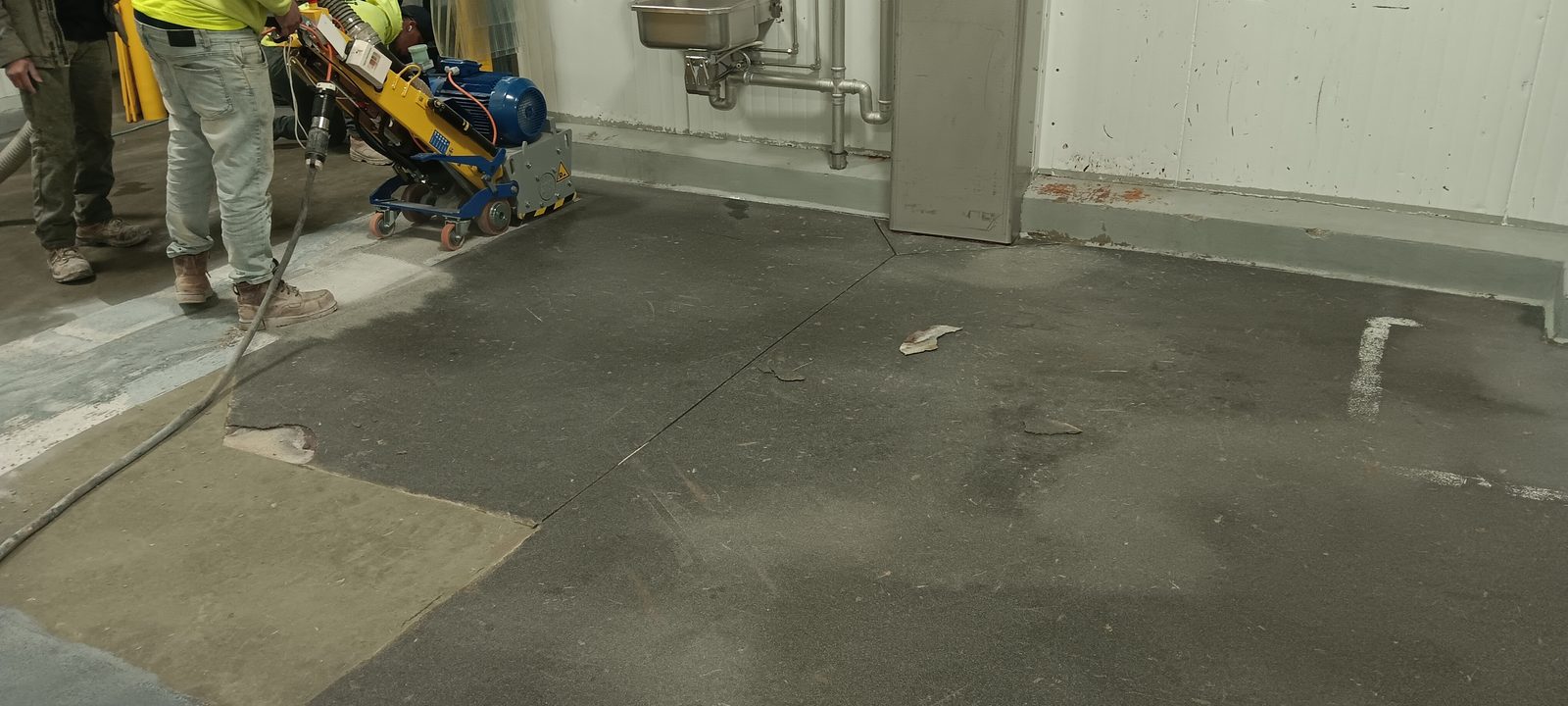
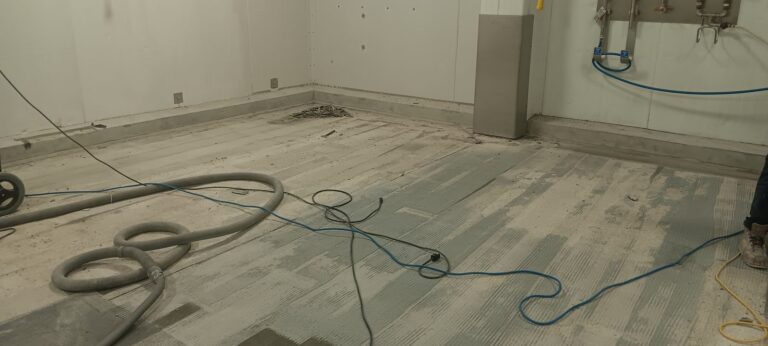
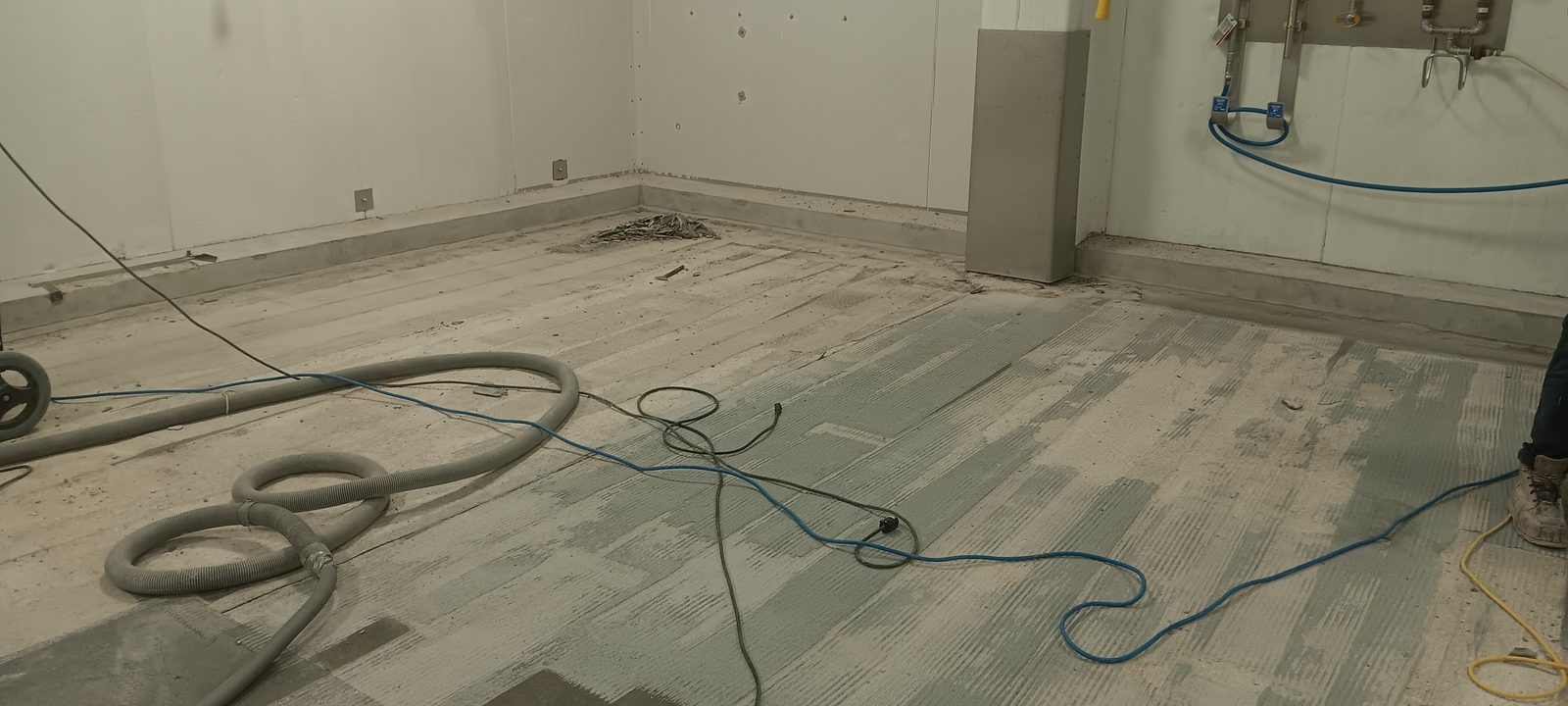
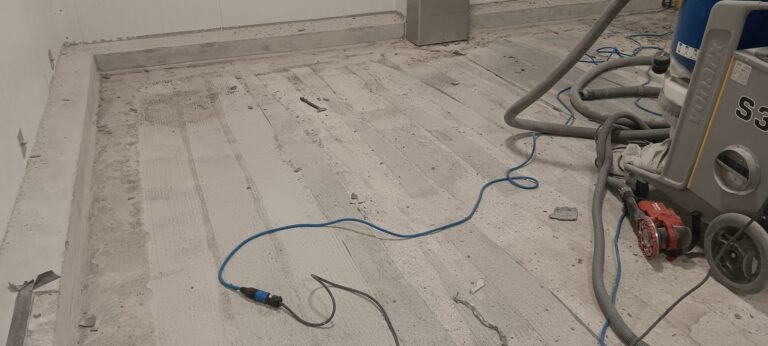
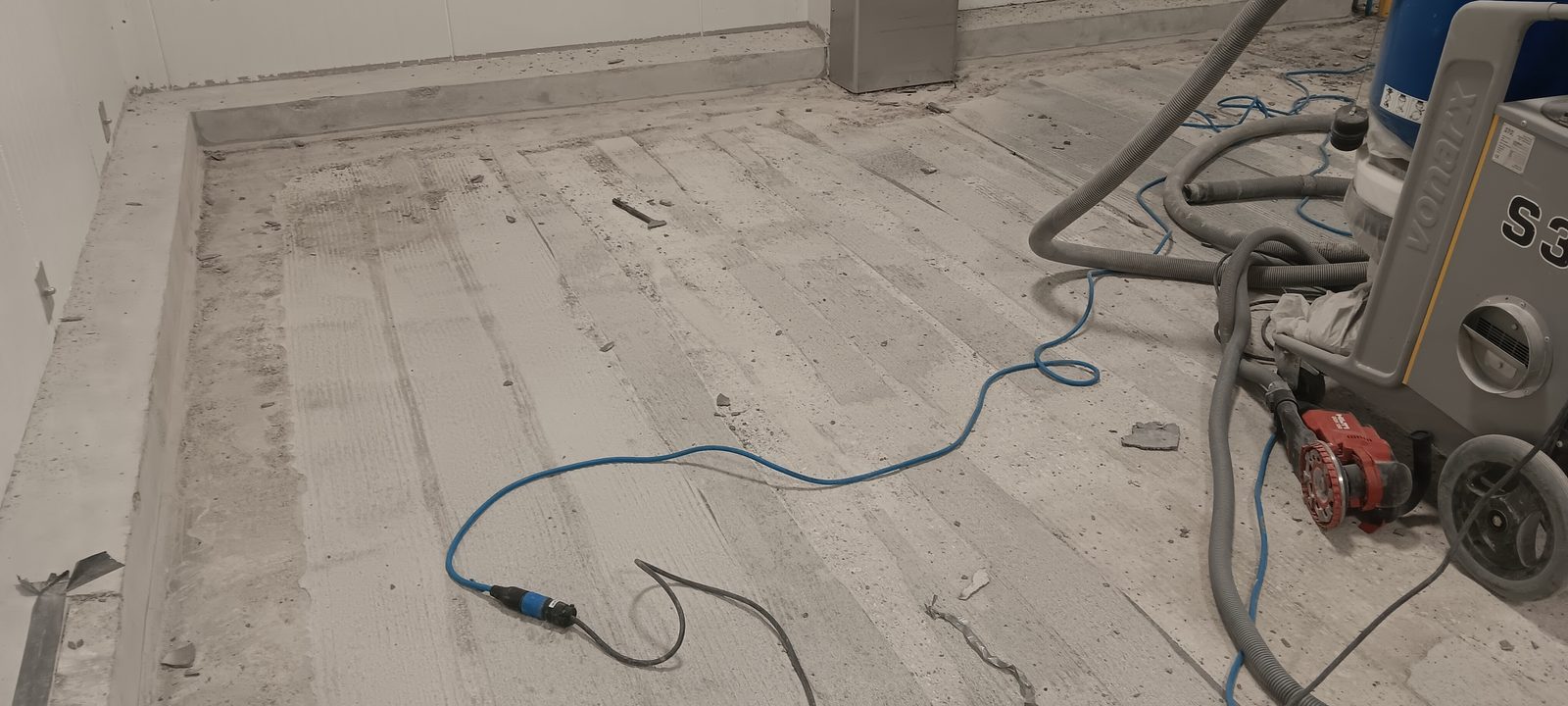
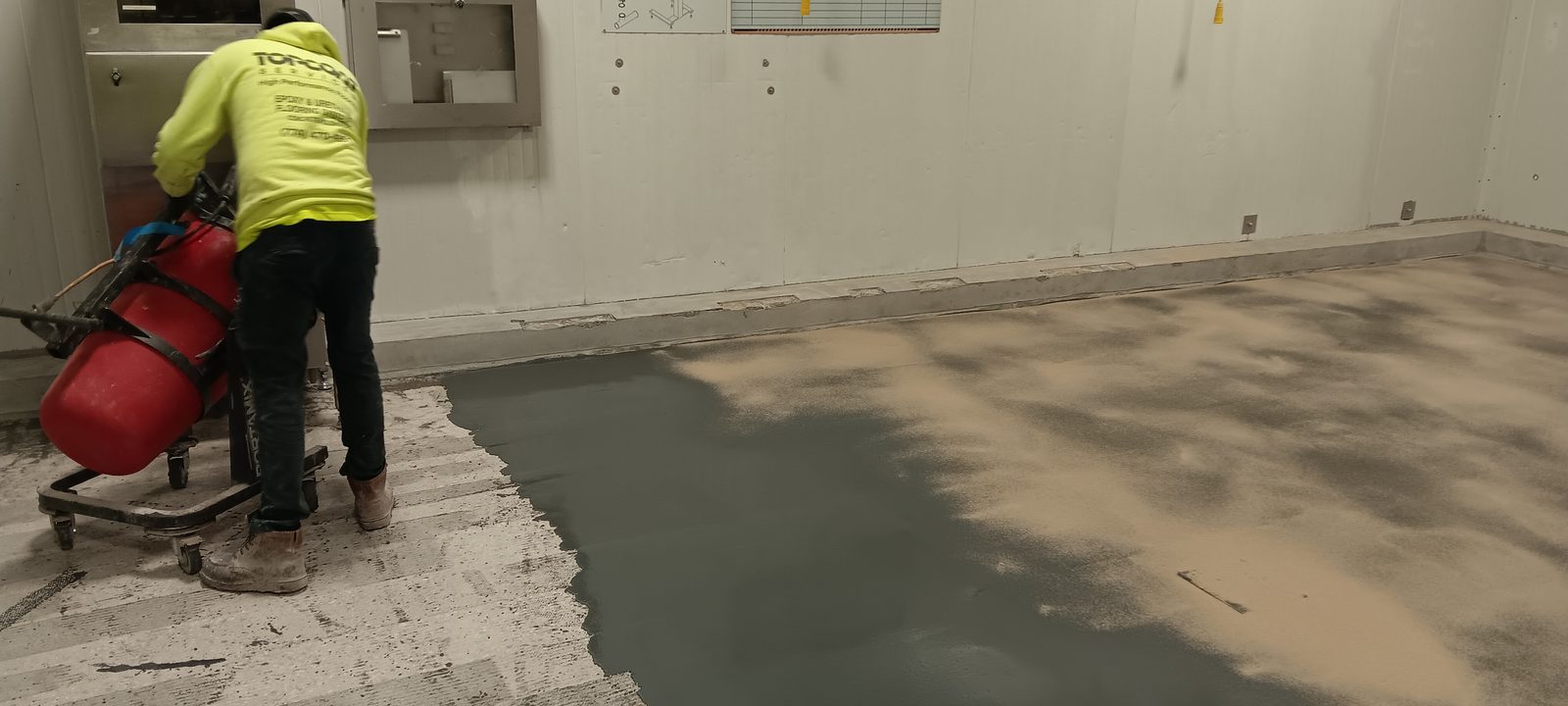
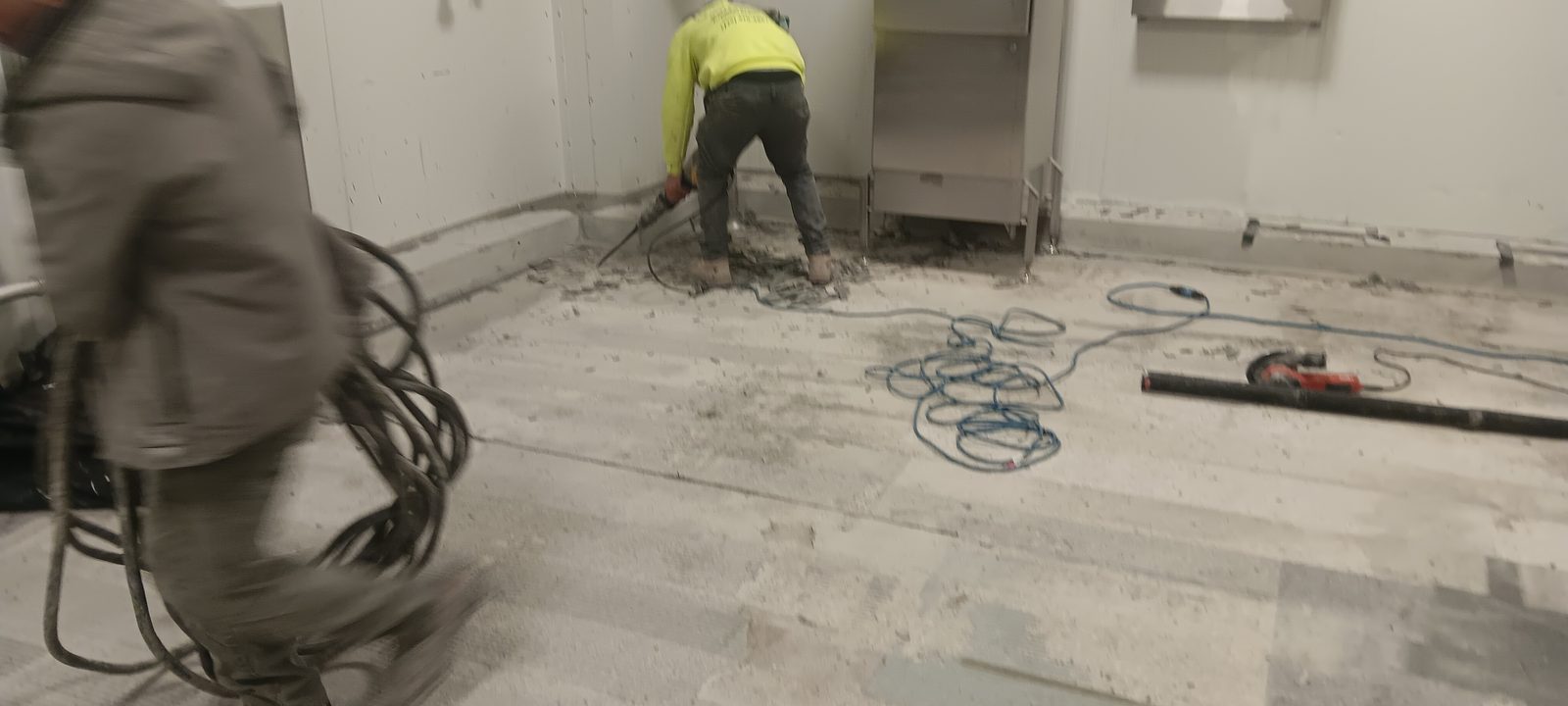
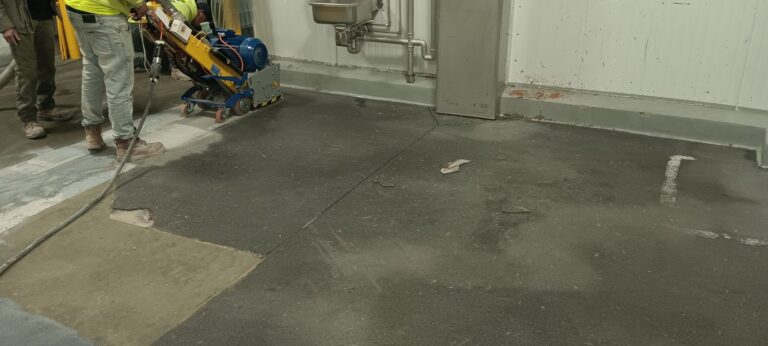
Topcoat owns the preparation equipment needed for its work, including shot blasters, diamond grinders and dust extraction systems. Our crews assess the existing floor, remove unsuitable materials, complete the specified repairs and establish the surface condition required by the selected flooring system.
We plan preparation and installation together, with no shortcuts beneath the finished surface.
Review processes, cleaning, exposure, traffic and work windows.
Establish existing materials, moisture information, contamination, repairs and joint conditions.
Confirm cure, protection, cleaning instructions and return-to-service requirements.
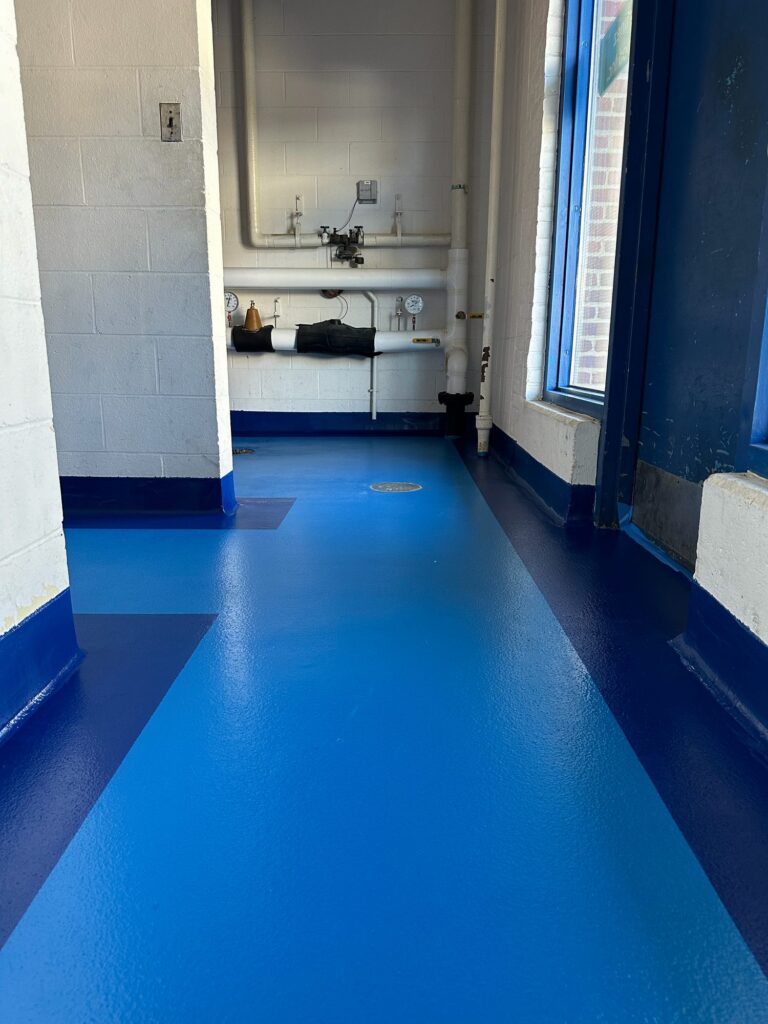
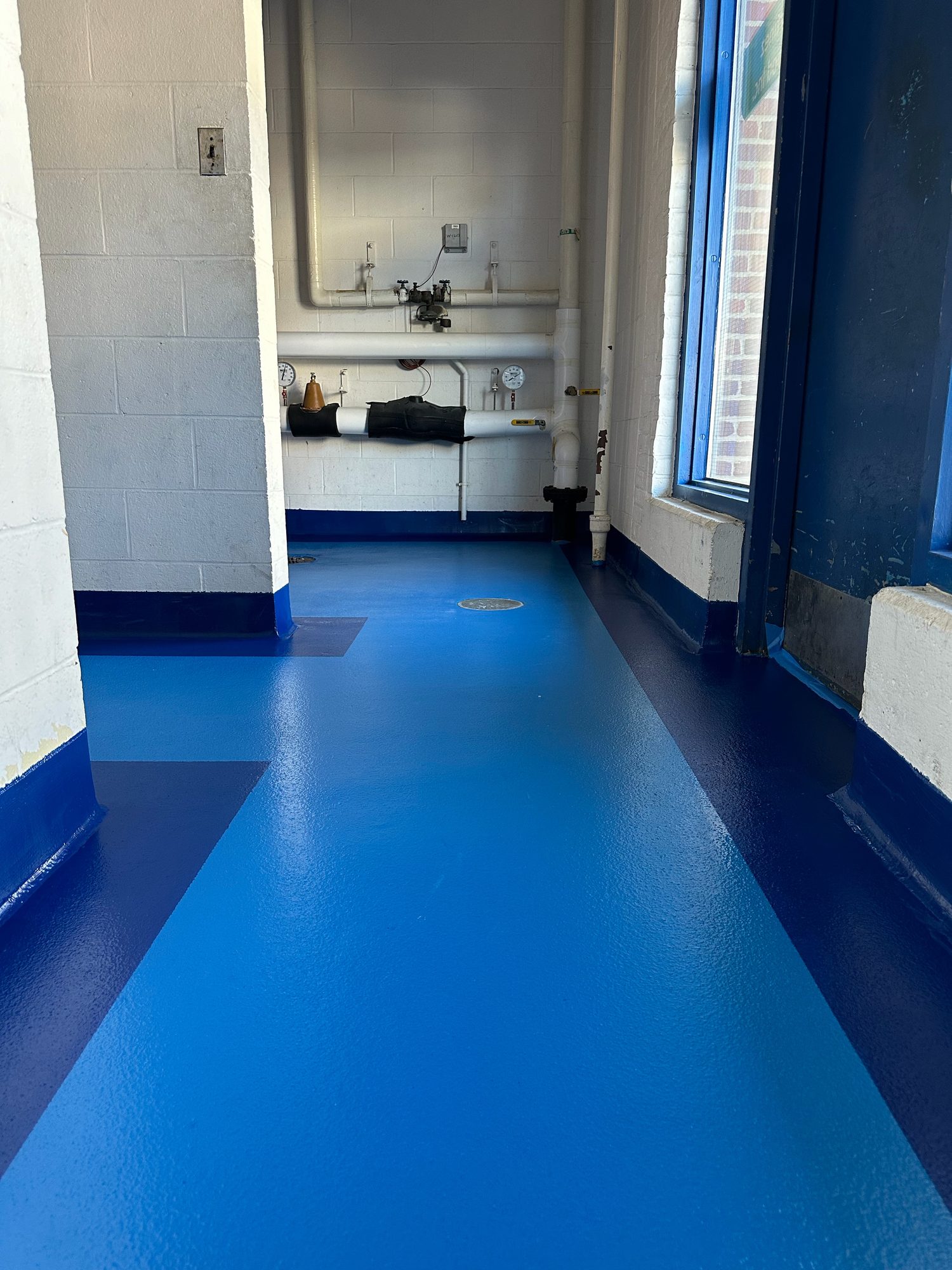
Define height, radius, termination and compatibility with adjoining surfaces.
Coordinate the flooring interface and any separately specified drainage work.
Preserve required movement provisions and use appropriate details.
Review thresholds, adjacent finishes, equipment bases and changes in elevation.
A coating alone does not correct unsuitable drainage or resolve structural movement. Identify any additional work in the scope.
Review the facility’s actual cleaning products, concentrations, temperatures and contact times when selecting the floor. Chemical resistance must be checked for the specified system.
Texture should support the operation’s traction and cleaning requirements. No finish is slip-proof, and contamination, footwear, wear and maintenance affect surface conditions.
Flooring supports a sanitation program; it does not replace cleaning, inspection or operational controls.
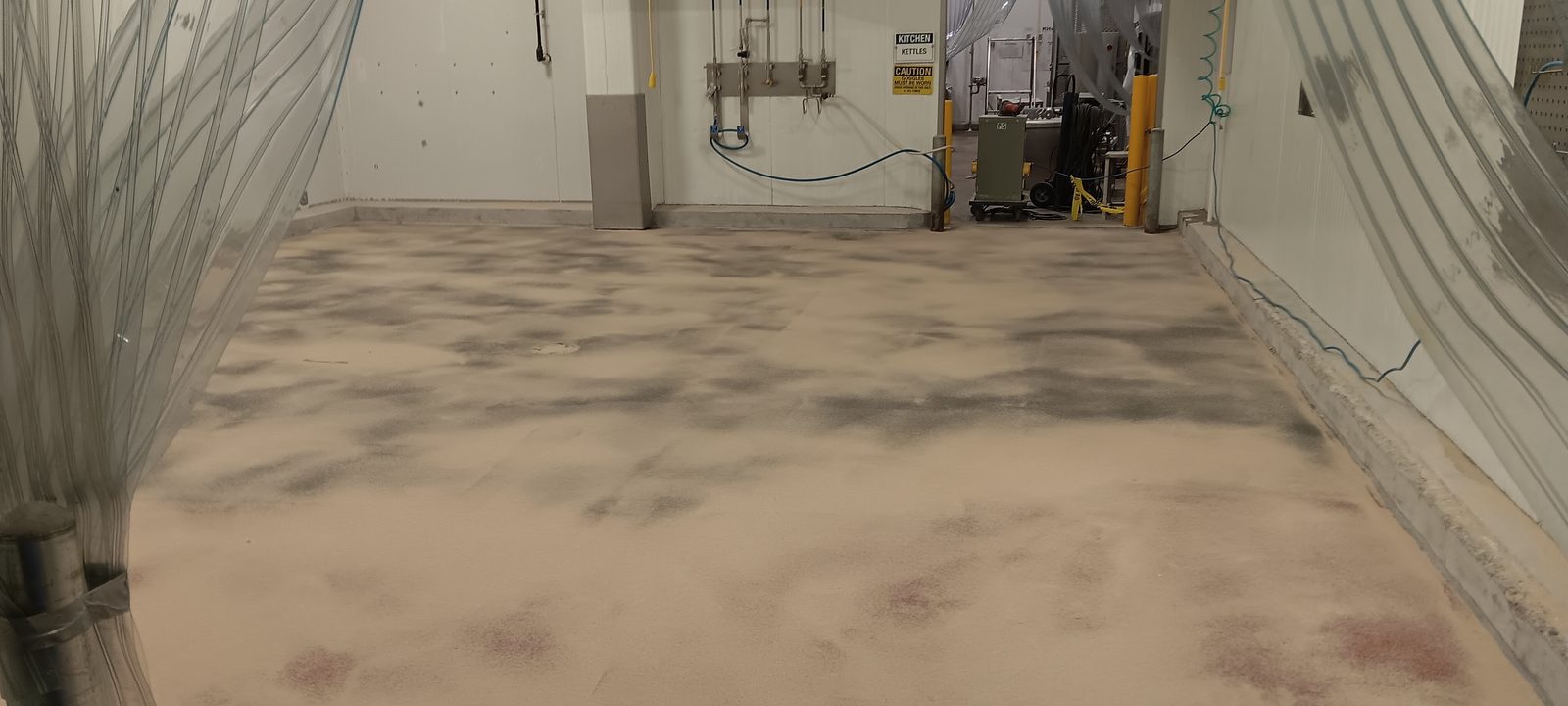
Slab on grade with spalls and cracks. Mechanical grinding and shot blasting, spall and crack repair with urethane cement, and keyways cut at perimeters, drains, doorways and transitions.
Cost depends on removal, repairs, preparation, area, system build, coves, details and access. Phasing and repeated mobilizations can also affect the scope.
Provide the available shutdown window, production constraints, cleaning requirements and reopening needs early. This allows preparation, installation and curing to be considered together.
MMA flooring uses methyl methacrylate resin technology in a specified flooring assembly. Fast curing makes it relevant to projects with limited work windows. Confirm the complete system, substrate requirements, ventilation plan and reopening conditions before choosing it for a production area.
No. They are different material technologies. Some specified assemblies combine a urethane cement base with MMA finish coats. That combination should be described accurately, identifying the complete system rather than calling every layer MMA or urethane cement.
It can help shorten the coating cure portion of a project when the specified system and conditions support it. Removal, repairs, preparation, ventilation and inspection still require time. The installation plan should establish when the area is ready for its actual production and cleaning demands.
Review the actual temperatures, thermal cycling, chemicals and cleaning process. A specified urethane cement system is an important option to evaluate, but suitability depends on the complete assembly and thickness. Confirm documented performance for the proposed conditions.
Some systems permit particular low-temperature applications, but this is product-specific. Operating temperature, substrate temperature during installation, condensation and curing conditions all matter. Confirm the selected system’s requirements and the facility’s shutdown plan before committing to an approach.
Phasing may be possible where work zones, air movement, access and production controls allow it. Preparation and installation must be coordinated with food handling, equipment and cleaning. Some operations or areas may need to stop while the work proceeds.
Review the proposed system and installation details against the facility’s requirements and applicable project criteria. Product documentation can support that review, but flooring alone does not establish compliance for the entire operation. Avoid assuming one approval applies to every product or facility.
Topcoat serves food and beverage facilities across Massachusetts, Rhode Island, Connecticut, New Hampshire, Vermont and Maine.
Share the location, approximate area, existing flooring, operating conditions and shutdown window. Include photographs, drawings and cleaning requirements where available.
Call (774) 470-4951 or email info@topcoatservices.com.